

Introduction
Algorithmic decision-making (ADM)—the use of computational methods that enable machines to automatically complete tasks and/or make decisions—has rapidly diffused across public administration worldwide (Breidbach, 2024). Governments increasingly deploy predictive models for unemployment eligibility screening (Barros Vale & Zanfir-Fortuna, 2022), real-time facial recognition in policing (Fountain, 2022), risk classification in child protection, and predictive resource allocation in homelessness prevention (Rogers, 2024). However, the cautionary record is by now well documented. In the United Kingdom, for example, civil society organizations sued to ban police use of live facial recognition on human-rights grounds (Park, 2019). Similarly, in the Netherlands, the SyRI welfare-fraud detection system was discontinued after a court ruled that it violated privacy rights and disproportionately surveilled low-income and minority neighborhoods (Henley & Booth, 2020).
Conflicts among stakeholders also arise during the ADM adoption process. One case that illustrates explicit conflicts in the public sector is the e-Child Happiness Support (e-CHS) system in Korea. The Korean government adopted the system to integrate an ADM-based prediction model into administrative services (Han et al., 2022). Despite the expected benefits, different interests of various stakeholders, including policymakers, policy implementers, and policy target groups, result in conflicting interpretations of the same system. This complexity makes a resolution challenging as choosing one interpretation over another inevitably limits the other’s impact. Consequently, adopting a holistic approach to benefits and constraints is becoming increasingly essential.
This study aims to empirically analyze the case of the e-CHS system to understand the concept of conflicts in ADM adoption. We will identify differences in positions among stakeholders and clarify the tensions between the values each stakeholder emphasizes, which have produced multi-dimensional paradoxes that have led to the system’s failure. Therefore, this article outlines the following research questions. First, how does each stakeholder define and interpret ADM adoption? Second, how do interpretations differ and constitute a conflict? Third, what are the underlying factors of the conflicts between stakeholders? And fourth, how were the different paradoxes interlocked with one another?
The remainder of the article proceeds as follows. Section 2 reviews the theoretical background of ADM in bureaucracy, organizational and societal constraints, and Stone’s policy paradox as an analytic lens. Section 3 introduces the e-CHS system, defines the four stakeholder positions, and details the data and analytic procedures. Section 4 presents the three paradoxes, traces the empirical cascade that binds them. Section 5 discusses theoretical and practical implications, and Section 6 concludes with limitations and directions for comparative work.
Theoretical Background
ADM has been expected to improve the quality of public services through personalized service provision. In practice, authority is relocated into digital “decision factories” where administrative rules are embedded in software, and where the role of the human official is, in many cases, reduced to that of interpreting, contesting, or implementing algorithmic outputs. Policymakers endorse this transition on grounds of efficiency, consistency, and predictive accuracy, and frequently frame ADM as a corrective to the variability and bias inherent in human decision-making (Nagtegaal, 2021; Young et al., 2019).
However, ADM does not merely automate existing processes; it restructures authority, redistributes discretion, and redefines accountability. It introduces tensions between efficiency and legality, between automation and professional judgment, and between technical logic and social complexity. These tensions are not incidental implementation problems but structural features of ADM as a mode of governance. They render ADM adoption a multi-dimensional paradox rather than a straightforward technological upgrade (Sun & Medaglia, 2019).
A primary risk associated with ADM is algorithmic administrative error (AAE): widespread and unintended errors arising when a system’s data, design, or inherent limitations cause deviations from legal requirements (Gules-Guctas, 2025). Unlike isolated human errors, AAEs can propagate rapidly; a single system-level flaw may simultaneously affect thousands of decisions, transforming what would otherwise be individual errors into structural maladministration. The scale at which ADM operates thus amplifies the consequences of any single design choice.
Beyond technical design, ADM effectiveness depends on how frontline officials perceive and use these systems in their daily responsibilities. Recent scholarship refers to this dimension as algorithmic discretion—the exercise of professional judgment by public officials when interpreting and acting on algorithmic outputs (Afzal & Panagiotopoulos, 2025). Far from disappearing under automation, discretion is relocated: officials must decide when to trust algorithmic recommendations, when to override them, when to seek additional information, and how to communicate decisions to affected citizens. These decisions are not technical but professional, and they are conditioned by organizational structures, professional identities, and accountability regimes.
Implementers frequently exhibit Status Quo Bias (SQB)—a cognitive and institutional preference for established manual procedures over algorithmic systems (Afzal & Panagiotopoulos, 2025). This resistance extends beyond technological skepticism and is rooted in deeper personal and professional motivations. Loss aversion plays a significant role: officials perceive the loss of decision-making authority and professional expertise more acutely than the potential efficiency gains of algorithmic assistance. The prospect of diminished autonomy reduces their willingness to trust algorithmic outputs, particularly when those outputs conflict with their experience-based readings of cases.
Performance uncertainty further reinforces resistance. Skepticism about how well algorithms perform in handling complex social situations, special cases, or subtle contexts makes officials less confident in the system’s outputs. Learning new systems, reorganizing workflows, and adapting preexisting routines impose tangible burdens on implementers. Even when technological innovation promises long-term gains, short-term adjustment costs may discourage adoption. Established administrative practices can also impede data sharing and interdepartmental collaboration (Sun & Medaglia, 2019). Organizations frequently prioritize risk aversion and stability over experimentation, particularly in domains where errors have severe legal or reputational consequences. Street-level bureaucrats, who mediate between policymakers and the public, must balance legal compliance with professional judgment (Zhang & He, 2024). The resulting accountability structure is uneven: algorithms provide results, but humans bear liability. This asymmetry increases stress and can make officials more cautious or selective in their use of ADM systems. In this context, innovation is frequently experienced as an additional burden rather than supportive assistance.
The adoption of ADM also introduces societal challenges related to data accountability and ethics. Extensive use of personal data raises public concerns regarding privacy, surveillance, and security. The accountability structure is itself complex: citizens provide their personal data, which serves as the basic input to ADM; officials and contractors operate the systems; and data use frequently exceeds the scope of initial consent (Campion et al., 2020). Insufficient understanding of the technology among frontline officials can hinder transparency and the protection of citizens’ rights, increasing risk and eroding public trust. Data owners retain only partial control over the use of personal data, complicating legal accountability for data management and oversight. Frontline officials, expected to provide transparent explanations to the public, often lack a full understanding of how the system operates—a gap that limits their ability to ensure data protection while exposing them to demands for explanation they cannot meet. Insufficient technological understanding thus impedes public trust and generates uncertainty and helplessness among officials themselves (Mick & Fournier, 1998).
Eubanks (2018) describes ADM in welfare contexts as a mechanism for “automating inequality”: automated systems establish digital infrastructures that disproportionately monitor and penalize individuals experiencing poverty, equating welfare-system contact with potential neglect and thereby reinforcing existing social stigmas. The perception of bias is especially pronounced among minority groups who experience a sense of being invisible to the algorithm’s nuance while simultaneously hyper-visible to its suspicion. Being labeled “problematic” by the system constitutes what Peeters & Widlak (2023) call administrative exclusion: a sense of being misrecognized by an institution that one cannot effectively contest. The result is a tension between governmental goals of preemptive protection and citizens’ experience of digital authoritarianism. When combined with concrete system failures—being wrongly labeled as fraudulent or negligent—citizens experience exclusion from the very protections that policymakers claim the system delivers, and trust in public institutions erodes.
Stone’s (2012) policy paradox provides the analytic apparatus for this study. For Stone, policy problems are not objectively given but are continually constructed and reconstructed by actors deploying symbols, numbers, and causal stories to frame issues in line with their interests. Paradox, in Stone’s sense, is not mere contradiction or disagreement; it is the structured coexistence of incompatible problem framings that nonetheless reference the same policy object. Each framing is internally coherent and politically operative; the conflict between them cannot be resolved by appealing to facts alone, because the relevant facts are themselves constituted differently within each frame.
Stone identifies three categories of representational devices through which paradoxes are constructed and contested. Symbolic devices—narratives, metaphors, archetypal stories—invest issues with moral weight and identify protagonists, victims, and villains. Numerical devices—statistics, indicators, performance metrics—convert ambiguous social conditions into apparently objective quantities that can be compared, ranked, and evaluated. Causal devices—attributions of why a problem exists and what would resolve it—link diagnosis to prescription and assign responsibility. Stakeholders typically privilege one or more of these registers in advancing their preferred framings, and paradoxes harden when actors operating in different registers cannot translate their claims into the registers privileged by others.
The authors mobilize Stone’s framework in three ways, each of which moves beyond the conventional use of “policy paradox” as a descriptive label. First, we use the framework to identify the framing devices each stakeholder deploys in the e-CHS context. Policymakers privilege numerical framings: detection rates by risk quartile, percentage improvements between model versions, and integration with joint-evaluation metrics. Target populations mobilize symbolic narratives of stigma, surveillance, and being algorithmically misrecognized. Implementers construct causal stories about workload, liability, and the structural misalignment between expected responsibilities and actual capacity. The paradoxes we trace in Section 4 are not generic value tensions but specific framing collisions among these registers.
Second, we extend Stone’s framework by arguing that in ADM contexts, the algorithm itself becomes a constitutive actor in paradox formation. In Stone’s original formulation, paradoxes arise among human actors framing a shared policy object—tax, regulation, welfare program—in incompatible ways. In sociotechnical governance, however, the policy object is not given prior to contestation; it is partly produced by an algorithm whose outputs (risk scores, target lists, quartile classifications) are framings in their own right. The algorithm does not merely process inputs; it generates representations that other actors then contest. This means that paradox dynamics in ADM are not exhausted by tracing how human framings collide; they require attending to how algorithmic outputs themselves enter the framing economy.
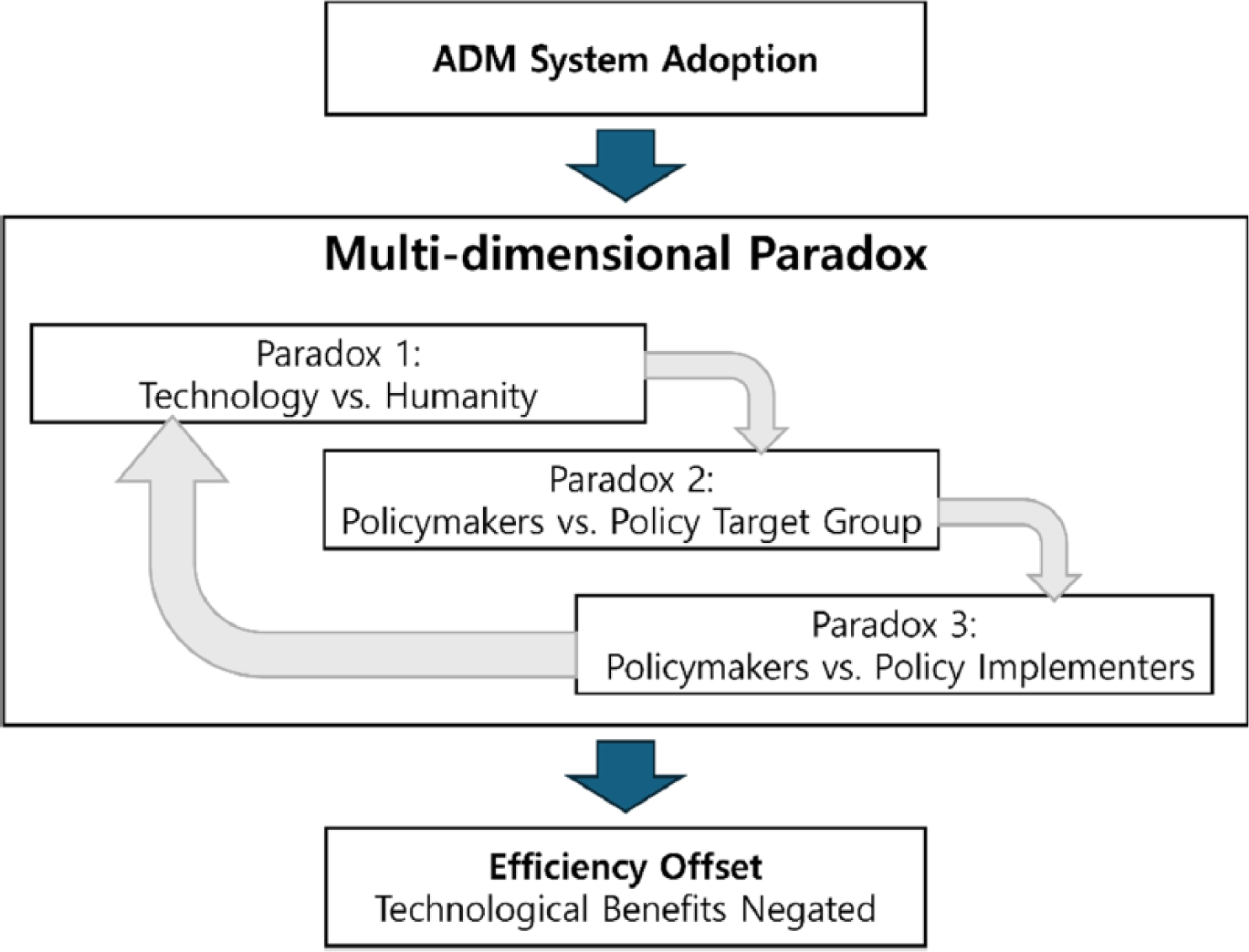
Third, the authors focus on ‘the interlocking paradox cascade,’ describing how paradoxes in sociotechnical governance feedback on one another rather than coexisting in parallel. Existing applications of Stone tend to analyze paradoxes individually, even when several are present in the same policy field. We argue that in ADM systems, the outputs of one paradox become the inputs to another, degrading the data fed back into the next prediction cycle. This cascade structure, to our knowledge, is absent from existing applications of Stone to digital governance. It is the central theoretical contribution of the present article. Fig. 1 presents the revised theoretical framework, replacing the earlier static depiction with a dynamic cascade in which each paradox feeds the next.
Methods
The authors adopt a single revelatory case study design (Yin, 2018), appropriate when a phenomenon is both empirically rare and theoretically rich. Three features justify this designation. First, e-CHS exemplified high-ambition ADM in welfare administration: it was endorsed by the Office for Government Policy Coordination at the highest level of inter-ministerial coordination, integrated into ministerial performance evaluation, and resourced for nationwide deployment. Second, all three stakeholder groups have produced public, traceable conflict narratives—a condition often absent in newer or more opaque deployments. Third, the high-stakes domain of child protection compressed ethical, technical, and organizational paradoxes into a single, observable policy field.
The e-CHS system was launched in 2018 by the Korean Ministry of Health and Welfare in response to a series of fatal child abuse cases that had shaken public confidence in existing reactive child-protection arrangements. Prior to e-CHS, the principal mechanisms for identifying child abuse relied on reports by victims, witnesses, and statutorily designated mandatory reporters (including police officers and frontline child-care officials). The repeated occurrence of severe cases—including the 2015 Incheon girl escape, the 2016 Bucheon elementary student murder, and the 2016 Pyeongtaek Won-young incident—prompted policymakers to shift from a responsive to a preemptive approach, supported by the construction of an administrative big-data infrastructure. The ADM prediction model at the heart of e-CHS was developed within this strategic shift.
Operationally, the system covers all children under 18. In the first three quarters of each year, the ADM prediction model identifies high-risk children for field investigation; in the fourth quarter, a complete survey of children aged three is conducted. The Ministry of Health and Welfare and the Korea Social Security Information Center (KSSIC) jointly plan the variables and target volumes prior to each cycle, with the Ministry retaining ultimate decision-making authority. KSSIC then integrates data from seven external organizations—the National Health Insurance Service, the Korea Disease Control and Prevention Agency, the Ministry of Education, the Ministry of Women and Family Affairs, the Childcare Information System of the Ministry of Health and Welfare, child-protection-specialized organizations, and the National Police Agency.
From these sources, ten types of child-specific information are linked. In addition, six types of child-specific information and 28 types of crisis information related to the welfare quadrant are drawn from the Social Security Information System and the Welfare Quadrant Discovery Management System, both operated by KSSIC. The total input space comprises 44 variables per quarter. The algorithm is eXtreme Gradient Boosting (XGBoost), a gradient-boosted decision tree method that computes a risk score for each child by aggregating weighted contributions from variables. Significant model refinements have occurred over time. From 2018 through the third quarter of 2020, the system used a single model producing a single category of high-risk children, without distinguishing between potential abuse and welfare need. From the first quarter of 2021, the system was reorganized into four sub-models, distinguishing between abuse risk and welfare need, and between preschool and school-age children (Han et al., 2022).
The authors identify four analytically distinct stakeholder positions, the interactions among which generate the three paradoxes examined in section 4: (1) Policymakers—the Ministry of Health and Welfare’s child abuse response division and the office for government policy coordination—hold ultimate authority over system design, target-selection parameters, and performance evaluation. (2) System operators—the KSSIC—manage the predictive model, integrate external data, and mediate between policymakers and implementers. (3) Implementers—frontline welfare officials in approximately 3,500 community service centers (eup/myeon/dong)—conduct home visits and follow-up decisions; survey data indicate that more than 70 percent had less than one year of experience with the system as of 2021. (4) Target groups—caregivers (predominantly mothers) of children flagged by the model, including adoptive families and low-income households, are disproportionately represented in the prediction list.
The authors triangulate three data sources. First, government documents related to the e-CHS were examined: official press releases, the task manual for frontline officials (Choi et al., 2016), local government notices including the Seoul Metropolitan Government (SMG)’s (2018, 2022) directives, the ministry’s 2022 and 2023 implementation reports, and the 2021 interagency report Ways to improve the child abuse response system (Total of Related Departments, 2021). These documents provided the official narrative—the numerical and causal framings policymakers deploy—and allowed us to reconstruct the institutional architecture in which implementers and target groups encounter the system.
Second, the authors systematically sampled a corpus of online parental discourse, as described in detail below. To analyze citizens’ responses to the e-CHS system, this study used posts and comments from mom cafes and online communities of Korean parents, especially mothers of young children. Online mom groups or mom clubs via social media, such as blogs, are referred to as “Mom Cafes” in Korea and are formed to share region-specific information and parenting experiences, and to provide recommendations on parenting issues, including childcare facilities and services. In Korea, many mom cafes are operated around regional boundaries; nearly every locality hosts an online mom community called ‘specific region mom,’ like ‘Mokpomom’ and ‘Seochomom.’ The keywords used in searching were ‘community center home visits’ and ‘e-CHS system’. The authors collected 64 posts and comments within the posts published between January 2018 and December 2023. The data were organized and analyzed via coding, with repetitive content grouped by central theme. Since the number of posts was insufficient for a quantitative analysis, the authors reviewed each post and classified it into two groups. The first group is ‘discomfort with data use’, and the second group is ‘discomfort with home visit’.
Third, the authors conducted a 90-minute semi-structured interview with Researcher K of the Korea Social Security Information Center. He also conducts research to evaluate its impact, including the accuracy of the ADM model and the system’s effectiveness in detecting child abuse. An interview with K provided more detailed information from the perspective of the internal observer; he was not only one of the actors who manage the system but also an evaluator who receives feedback from top-level decision-makers, frontline bureaucrats, and citizens. The interview protocol covered five domains: model design and variable selection; performance evaluation metrics and trends; frontline reception of model outputs; citizen complaints and refusal patterns; and the relationship between e-CHS and the broader joint-evaluation regime.
Results
As shown in Fig. 2, the initial paradox emerges at the juncture of technology and humanity. The limitations of the humanistic approach prompted the adoption of technology to facilitate automation and decision support. It leads to a preponderance of technological approaches to social problems. However, when technology is applied in specific contexts, the actual outcome frequently fails to meet expectations. In response, despite the limitations, some scholars still acknowledge the importance of maintaining human elements and conducting tasks based on human expertise. It demonstrates that neither technology nor human expertise is sufficient to fully address the challenges at hand.
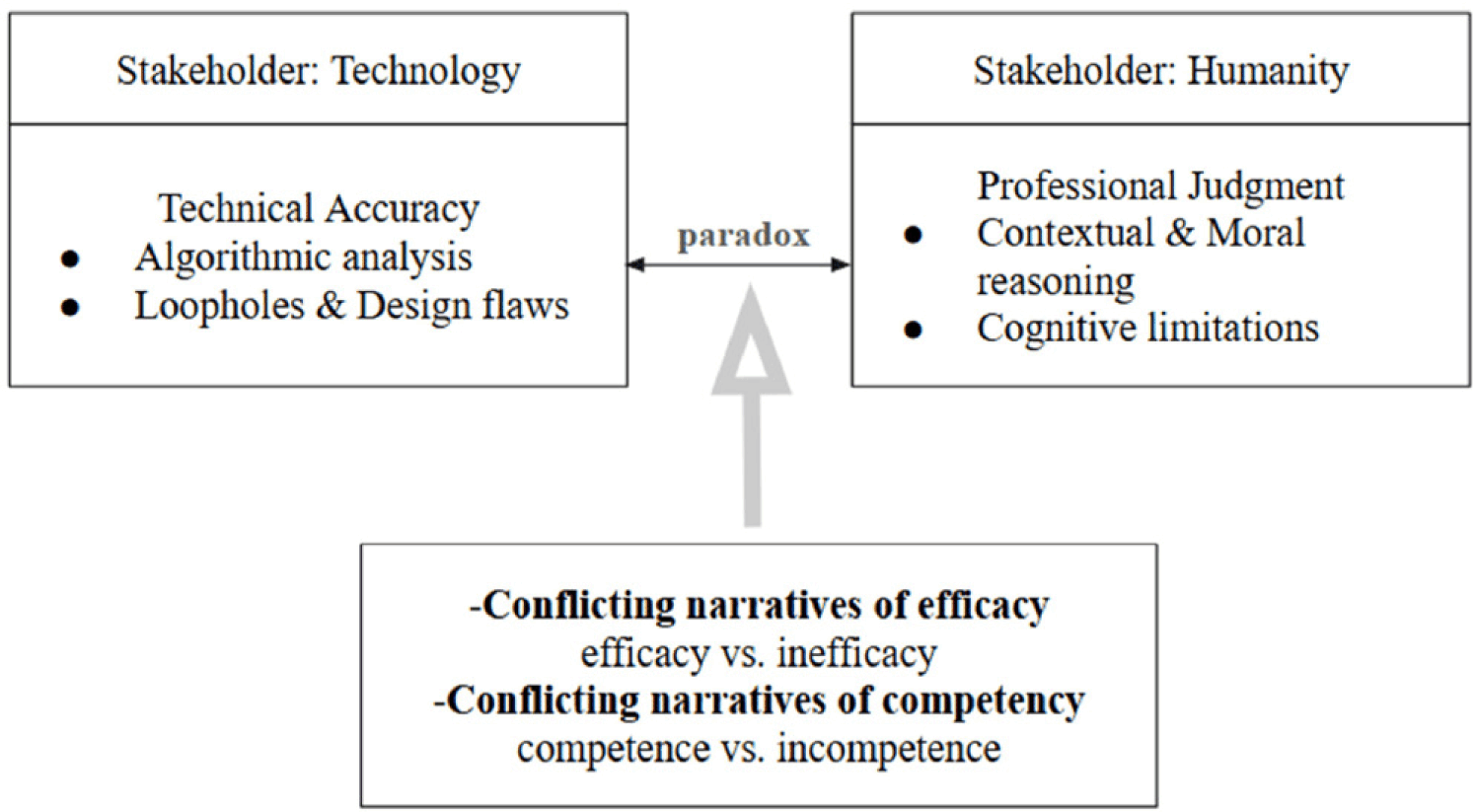
Policymakers expected the e-CHS system to supplement or replace human efforts in overcoming cognitive limitations. Despite increased human resources for abuse detection, severe child abuse cases remained frequent. Policymakers emphasized a preemptive ADM approach and relied on the ADM model’s technical performance (Han et al., 2022). However, after implementation, the system failed to detect many fatal cases of abuse. Although the e-CHS system appears to produce accurate and fair results, overlooked errors have led to system failures. The system faces criticism for its limited effectiveness in preventing child deaths from domestic violence. Severe abuse cases continue despite advances in the ADM prediction model.
The e-CHS system demonstrates design flaws, as legally relevant factors are insufficiently incorporated into its computational logic. By replacing complex social realities with limited data proxies, such as vaccination records, the system creates loopholes that make some high-risk conditions undetectable. As a result, technical accuracy in data processing does not ensure substantive safety in child protection. Unlike human experts who apply contextual reasoning, the e-CHS cannot evaluate intent or situational ambiguity. It relies on pattern recognition rather than legal or moral reasoning, so it cannot fully replace human professional judgment. While ADM was intended to mitigate human cognitive limitations, it paradoxically depends on human intervention to correct its inherent flaws. This issue is exacerbated by the inexperience and heavy workloads of frontline officials, who may lack the authority or capacity to question the system’s outputs. Consequently, technical errors may remain undetected, and professional autonomy is diminished.
Previous efforts to address child abuse have relied on the reporting of victims and witnesses. Policymakers additionally designated police and frontline officials who are in charge of childcare or child abuse as the ‘mandatory reporters’. Policymakers have broadened the scope of mandatory reporters and increased the penalties for child abuse. The repeated occurrence of domestic violence cases, including the 2015 Incheon girl escape, the 2016 Bucheon elementary student murder, and the 2016 Pyeongtaek Won-young incident, prompted policymakers to reflect on the efficacy of their efforts. In 2018, policymakers decided to shift from a responsive to a preemptive approach, establishing an administrative big data system. Subsequently, the ADM prediction model was developed to prevent child abuse and at least identify instances at an early stage. Policymakers were optimistic that implementing an ADM-based predictive model would prove an effective solution. They expected a significant reduction in the incidence of child abuse.
However, policymakers started to recognize the inefficacy of the e-CHS system. A considerable number of child abuse cases were identified, including the 2020 Wonju girl death, the 2020 Cheonan child death, and the 2020 Changnyeong girl escape. This inefficacy stemmed from loopholes in the big data system. The dataset exhibited several problematic biases and inaccuracies. The government had been operating a ‘social welfare information system’ that collected and managed data on individuals receiving social welfare benefits and services, including their qualifications and prior experience. Given that these data are integrated into the e-CHS system, the system exclusively considers recipients of the social welfare information system. Although the e-CHS system also used data from external sources, data from sources not included in the social welfare system were excluded during data cleansing. In addition, the social welfare system’s target population didn’t encompass all households with children under 18, and it might not include all children in a given household. Because the target population changed with the services provided, the e-CHS system’s definition of the target group was inconsistent. To enhance the ADM model’s predictive precision, the dataset was modified. As the quantity and quality of the data set increased, the ADM model’s capacity was affected. Policymakers began introducing new data from health insurance corporations, such as medical diagnosis codes, in July 2021.
The achievement of the anticipated outcome requires the creation of a novel data system tailored to the e-CHS system and the facilitation of the ADM model’s retraining prior to its use. However, given the substantial investment of resources required and institutional resistance to changing data governance, it is challenging to elaborate on the technological system. Although the application of ADM is not straightforward, it cannot be the ultimate solution due to its inherent limitations and additional complexities.
Technology adoption has enabled policy actors to undertake tasks that they would otherwise be unable to complete. The use of ADM for tasks such as prediction and the provision of tailored services would not be feasible if only human capabilities were employed. Nevertheless, sophisticated technology has rendered it challenging for users to comprehend the intricacies of ADM-driven tasks. This has led to a tendency to perceive their own capabilities as either inadequate or overpowered by technology.
With the ADM model’s predictive capabilities, policy actors anticipated they could provide efficient, expeditious child protection services to children in need. Conversely, the adoption of ADM has increased the complexity of administrative tasks for policy implementers. This results in a lack of understanding of the technological system (Kim et al., 2023). These officials in charge of the e-CHS system are under significant pressure to complete tasks for which they have limited expertise. The officials initially held the expectation that tailored services for children at risk could be provided by applying the ADM prediction model. In practice, however, the officials had to contend with uncertainty in making an informed decision regarding the child. The tension between a sense of competence and incompetence presents a paradox between technology and humanity.
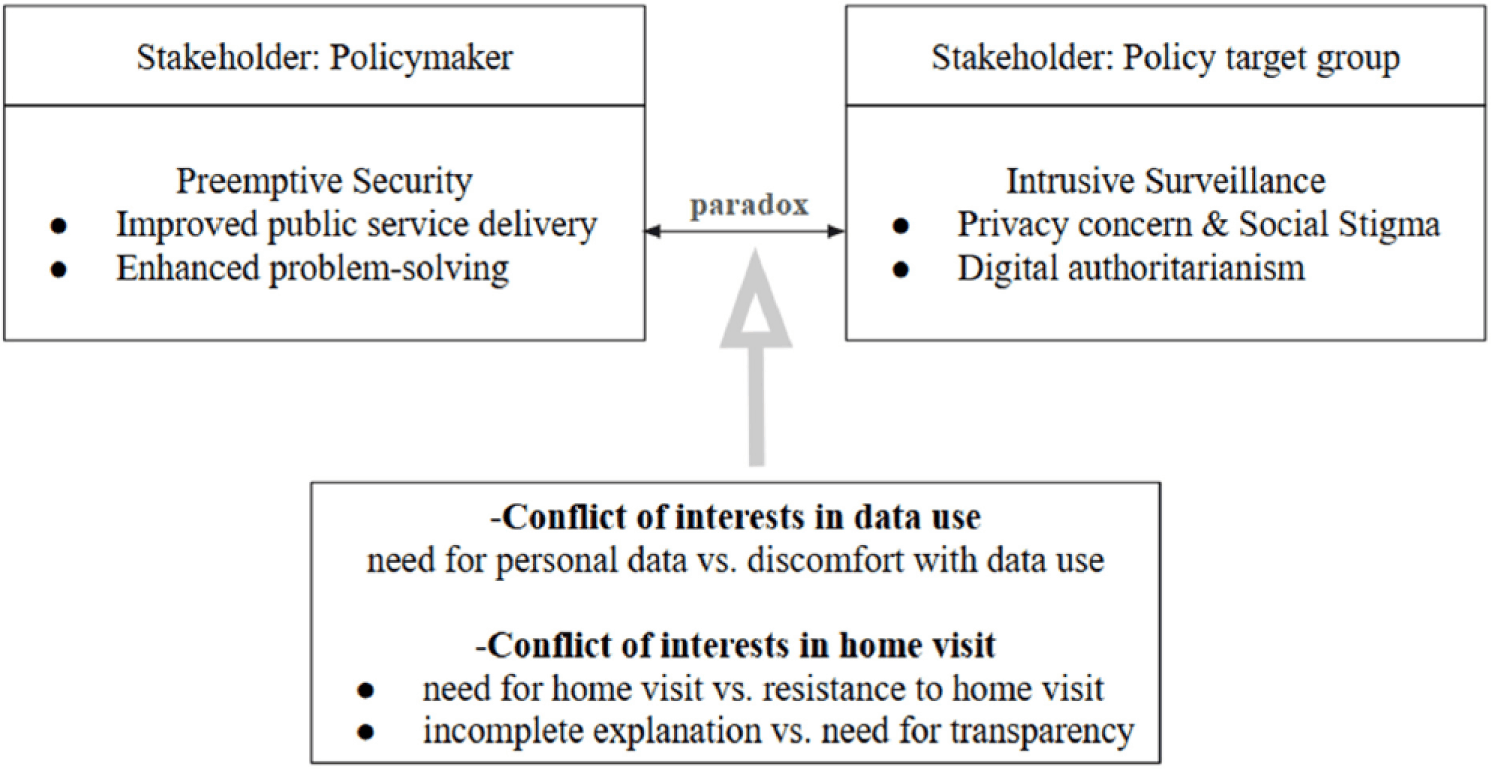
As shown in Fig. 3, the authors found the conflict and paradox between policymakers and the policy target group. Policymakers regard ADM as a beneficial tool for providing appropriate protection measures for potential at-risk children and customized welfare services for children. The Ministry of Health and Welfare expects the e-CHS system to effectively complement the current child abuse policies and increase the child abuse detection rate compared to other Organization for Economic Cooperation and Development (OECD) countries (OEPPC, 2018). Unlike the existing child abuse response, which centers on post-investigation of child abuse cases and punishment of perpetrators, the new child abuse response, including the e-CHS system, enables prevention and preemptive detection of child abuse. The government publicizes that the effectiveness of the e-CHS system has been proven. Since 2019, the KSSIC has selected 20,000 children for officials to check. The average number of suspected abuse cases reported to police at home visits ranged from 4 to 43, with 400 to 4,000 linked to social services such as counseling. Fig. 3 illustrates the paradox between policymakers and the policy target group. Despite these expected benefits, the policy target group accepts ADM as a threat; the target is focused on bearing the costs of the e-CHS system.
“I can accept and agree with the concept of checking for domestic abuse. However, having a planned visit doesn’t seem practical. I think this is just bureaucracy. (…) Officials say it’s random, but I don’t think so. It’s more like they’re monitoring us every few months based on whether children get vaccinated, go to a preschool, or get infant check-ups (Mom Cafe ‘Families with Happy Kids and Moms (https://url.kr/4mz1ko),’ Accessed on: 2023-10-13).”
The target group is concerned with digital authoritarianism; the government’s use of personal data and ADM algorithms would enable efficient surveillance of individuals. They criticize the government for committing privacy violations and infringing on personal data by using various forms of personal information. This could put individuals under constant monitoring and censoring during the collection, analysis, and use of data. Also, they point out that the algorithm would be biased and unfair.
I fully agree that child safety is our highest priority. However, I suspect that the risk of being a target of the system is not evenly distributed across households. I’m offended that they regard us as a potentially abusive household because we are adoptive parents. (…) Home visits by the officials who are not child experts can ask biased questions to our children and judge them. I’m worried and concerned (Mom Cafe ‘Adoption! A way to become a family (https://cafe.naver.com/greenmpak),’ Accessed on: 2023-11-03).
Citizen distrust is exacerbated by data drift, where the system relies on outdated or unrepresentative data. This leads to algorithmic reductionism, causing specific groups, such as adoptive parents, to experience social stigmatization due to biased data proxies that fail to represent their actual parenting environments. Adoptive parents who are susceptible to social stigma suspect that the e-CHS system generates biased results by targeting adoptive families more than other families. They expressed discomfort with being targeted, as the rationale and risk-detection process didn’t ensure fair, neutral decisions. They worried that the system might stigmatize their children and hurt them. Contrary to policymakers’ expectations, the policy target group’s interpretation leads to an unwillingness to participate in the ADM adoption policy.
Policymakers use large-scale amounts of sensitive personal information, such as power outages, water outages, infant and child check-ups, non-receipt of required vaccinations, and non-receipt of child allowances. To improve and strengthen the ADM model’s predictive capabilities, the Ministry of Health and Welfare has sought to expand the types of input data.
“The variables in the prediction model, such as electricity disconnection, water outage, abuse experience, and immunization, are all publicly available, so any government official in charge of this system can access them (Interview with K).”
According to K, these data are used not only for the prediction model but are also disclosed to local officials in charge of the system. An ADM algorithm evaluates children’s risk scores based on the data and produces a list of targets with the highest scores. After the result is derived from the ADM model, frontline officials who conduct home visits scrutinize the household, considering the personal information. During home visits, officials check whether the nurturing environments they observe in person match the data. They sometimes ask the targets for detailed explanations regarding the data; they ask questions such as “Why haven’t you gotten your child vaccinated?”
However, the targeted citizens point out that these practices violate privacy and express discomfort with the data use.
That (the system) has too much interference. It seems like an attempt by the government to monitor and censor each household. It is creepy (Mom Cafe ‘Protesting against Covid vaccine (https://cafe.naver.com/f-e),’ Accessed on: 2023-11-03).
I know it’s a kid, but is it allowed for officials to see a child’s medical records without parental consent? (Mom Cafe ‘Seocho Moms’ Group (https://url.kr/2paejz),’ Accessed on: 2023-11-03)
Citizens cannot control the scope of access because it is difficult to know in advance what data is being accessed by whom. They are not well informed about who has access to their data, when and how it is collected, and how it is used. Also, the right to manage and determine whether their data is collected and used in accordance with their consent is not guaranteed (Kim, 2016). There is no requirement that the consent of the information subject be obtained for access. Even if the legal basis for the use of personal information is established at the early stage of the e-CHS system, the context and level of personal information use constantly change during implementation, leading to a situation in which the owner of the information lacks control over the data.
As the use of personal data is essential to running the e-CHS system, policymakers will continue to use it. However, as long as the system is in place, the policy target group will inevitably continue to be concerned about data privacy. Although policymakers claim that the effectiveness of the e-CHS system can compensate for the inconvenience of data use, the target, which bears all expenses, takes this issue seriously. Citizens predict that the costs arising from the process may exceed the benefits of the outcome. From the perspective of the target group, discomfort with data privacy cannot be justified by the system’s benefits.
Policymakers emphasized a home visit to check the targeted household in person between ADM detection and deciding follow-up actions for the child. However, in the case of sensitive issues such as child abuse, the target group can show defensive responses to disclosing their family history to government officials and concern about social stigma as a result of government assistance or management.
Sometimes, officials come with the police to go inside and check the child, and even then, parents don’t open the door because they don’t find the need for help or they express distrust by asking, “What are you trying to investigate?” They don’t let officials enter because they don’t want them to. If you tell parents who don’t want to talk about their child’s difficulties that you’re here to do a field survey, they’re going to be furious. It’s hard to say, “This is the reason why we’re here,” unless there’s a clear indication of child abuse (Interview with K).
Frequent complaints against home visits are filed due to the stigma and shame of being seen as an abusive family. Since visits are not compulsory, it is difficult to assess the child’s condition if the family does not open the door. Given this difficulty, policymakers use a strategy of disclosing only partial information and giving vague explanations that can make the home visit appear ‘good’. Officials give limited explanations, including a brief introduction to the e-CHS system and the outcome of being selected as a target. The official posters and brochures of the system also provide no clear explanation of the decision-making process, such as how the ADM algorithm predicts high-risk children based on personal information, or the basis for decision-making, such as the types of personal information used as input data. The task manual for the frontline officials puts emphasis on being careful not to tell the target that they are selectively visiting only some households that have shown signs of child abuse (Choi et al., 2016). As a result, during the home visits, they exclude specific explanations about the ADM detection process of warning signs of child abuse that citizens may find objectionable. Instead, they explain that the visits are selected by a “random lottery”.
In response, the target group expressed attitudes of bewilderment, wonder, and suspicion.
Today, the office suddenly called my husband and said they were coming for a home visit in the name of eChild Happiness Support (…). I got angry at my husband because I was suspicious of a stranger visiting our home unnecessarily nowadays. Can you believe it? (Mom Cafe ‘Moms Holic Baby (https://url.kr/om82v7),’ Accessed on: 2023-10-14)
When I first got the call, I thought it was a scam and kept asking, ‘Why me?’ Are you sure you’re from the community center? (Mom Cafe ‘Mokpo Moms’ Chat Room (https://url.kr/vwm8xq),’ Accessed on: 2023-10-14)
When I called the community center number again, the person in charge answered. He said that it was just randomly selected, but I was puzzled. I was worried that it was a strange thing, so I looked it up and found out that they really have such a program^^ Freaked out, haha (Mom Cafe ‘Cheonan Asan Jumarella (https://url.kr/wbzm1j),’ Accessed on: 2023-10-13).
Because the purpose of the home visit and the selection criteria were not transparently disclosed, citizens doubted whether it was an official administrative task of the community center or a scam. They were concerned about crimes such as voice phishing, which can lead to personal information leakage. They used mom cafes to double-check that the call was official, to find out if other families had received similar calls, what the purpose of the home visit was, and what the reviews of the home visit were. Some citizens posted information they gained from phone calls and googling online to share with others (Young et al., 2019). One of the posts included the answers received after calling the Ministry of Health and Welfare to ask questions about the purpose of the visit, how the field survey was conducted, and what services were available after the visits. Others shared the brochure outlining the program’s purpose and overall procedure. Overall, the target group calls for a ‘real’ explanation. Some parents pointed out that the government should instead have been “giving a convincing and plausible explanation” about the system. However, given the contexts that lead to secrecy, officials should take on the risks to provide the public with complete information. It shows the paradoxical nature of home visits; the policymakers cannot simply decide whether to reveal detailed information. When the government provides a full explanation, it must consider potential losses in efficiency and increased administrative costs, such as dealing with citizens’ complaints. Conversely, inadequate explanations lead to resistance among the policy target. Given the critical role that home visits play in policy design, resolving this conflict is more challenging.
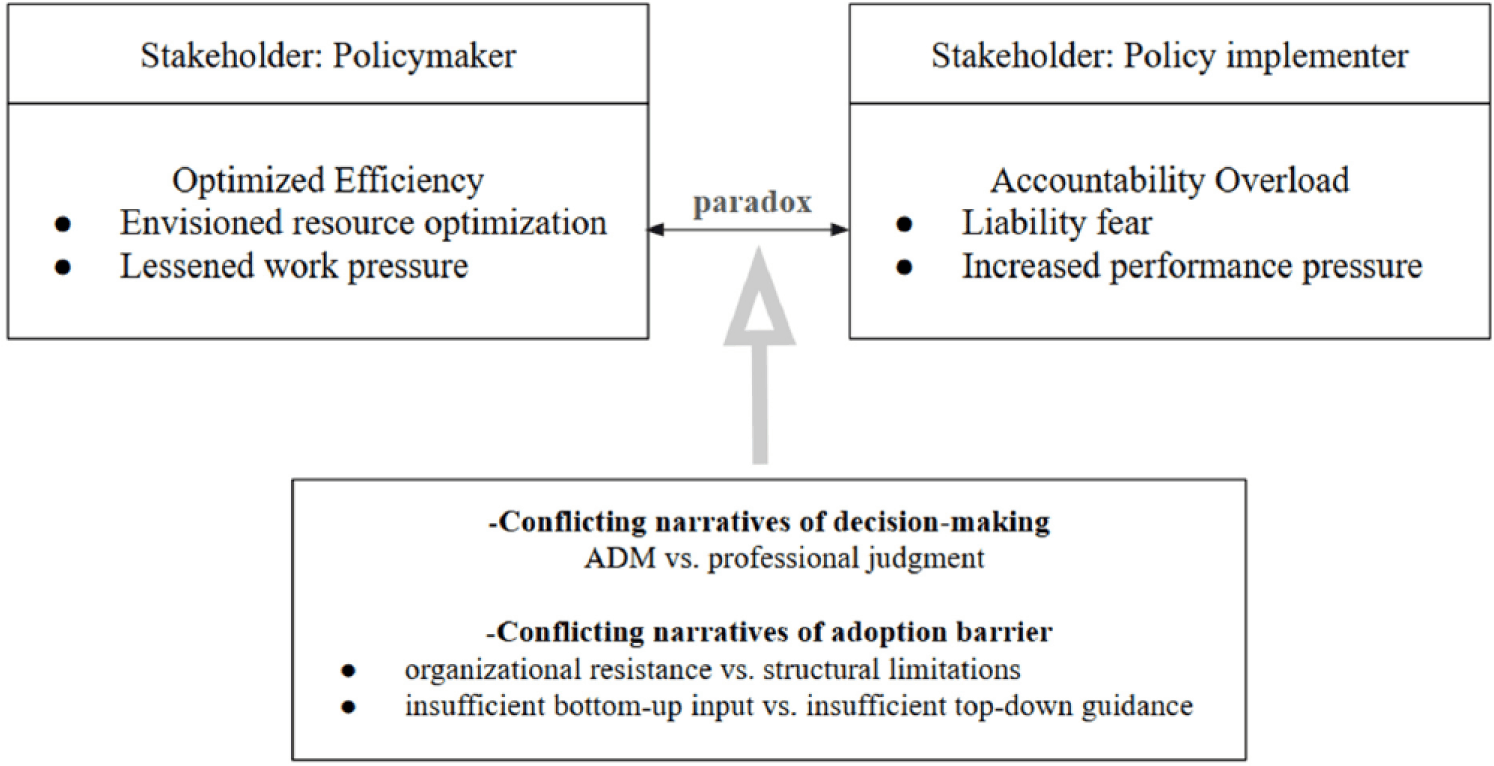
Another paradox arises between policymakers and policy implementers, as shown in Fig. 4. Policymakers at the highest levels of government expect to improve administrative tasks by using artificial intelligence. The use of ADM enables human agents to focus on identifying those most likely to be in danger. Because the e-CHS system receives results from home visits and follow-up actions, the ADM prediction model filters out children who were previously placed on the list and are now being monitored. Allocating manpower to those who are most in need reduces resource waste and increases work efficiency.
Also, the policymakers evaluate that the e-CHS system is effective in achieving the policy goals of preventing child abuse. According to the current ADM prediction model, risk scores are divided into quartiles (≥ 0.75, ≥ 0.50, ≥ 0.25, ≥ 0.0). The detection rate of actual child abuse within one year in high-risk children (≥ 0.75 and ≥ 0.50) is about 4% within 3 months, 8% within 6 months, and 10% within a year. The rate is much higher than the detection rate reported in the annual reporting system, which is 0.5% (Han et al., 2022). Admittedly, the rate may be insufficient to ensure the policy’s effectiveness, but the policymaker focuses on better performance compared to the previous system.
However, the policy implementers claim that their workload has increased due to the e-CHS system. The procrastination and minimal task compliance observed among frontline officials are not solely attributable to workload; rather, they reflect manifestations of SQB, a cognitive tendency to adhere to established routines. Since the e-CHS system is conducted four times a year, all tasks, such as visiting, entering results, and reporting on performance, must be completed within a set period. While officials should conduct face-to-face investigations for every household on the list, the visiting schedule is delayed due to resistance from the target group (Kim et al., 2023). They also feel psychological pressure, which stems from their sense of guilt for their failure to address child abuse that remains undetected. Psychological pressure and the fear of guilt associated with failing to detect abuse contribute to performance uncertainty.
“Although the ADM prediction model provides the prediction result to the frontline officials, the officials in local community centers are responsible for checking, judging, and making decisions (Interview with K).”
Even if the ADM prediction model provides the list, the final decision-making authority lies with the frontline officials in charge of home visits. Due to the responsibility, they feel anxiety and fear in exercising discretion. When the system fails to identify high-profile cases, implementers often resist such systems, prioritizing the preservation of professional autonomy and expert-based judgment over anticipated improvements in efficiency. A sense of incompetence arises when individuals are pressured to follow algorithmic outputs that conflict with their experience-guided discretion.
Additionally, the pressure of the “Joint Evaluation” process and the inflexible quarterly schedule result in significant transition costs. As a consequence, officials tend to prioritize established administrative routines rather than adopting the new and complex responsibilities associated with the e-CHS system. Starting with the 2023 joint evaluation of local governments (performance in 2022), the indicator “Accomplishment rate of the e-CHS system” is used to periodically assess the system’s performance outcomes (Ministry of Health and Welfare, 2023). Because the performance of the e-CHS system affects the overall assessment of government policies, top-level bureaucrats push frontline officials to work hard and maximize the number of cases that are followed up through service integration and abuse reporting.
Top-level bureaucrats offer a narrative that increasing predictive accuracy will improve the e-CHS system’s effectiveness. Until 2020, the system used a single model to predict at-risk children as a single category without distinguishing between those who were in potential child abuse and those in need of welfare services. However, beginning in the first quarter of discovery in 2021, the government began applying a separate prediction model based on two criteria: age and type (child abuse and welfare services). Each prediction model utilized the same data but prioritized different variables. For instance, in the abuse detection model, the variable of whether an abuse case is handled is prioritized over the variable of whether the health insurance premium is paid. The advanced model makes a more specified list of targets by categorizing children at risk into four types: preschoolers in danger of abuse, schoolers in danger of abuse, preschoolers in need of support services, and schoolers in need of support services. In both the single model in 2020 and the modified model in 2021, the higher the risk score, the higher the incidence of child abuse; however, the modified model in 2021 performed better and was more accurate than the single model in 2020. The probability of actual child abuse within one year in the ≥ 0.75 quartiles was 1.2% for the 2020 model and 9.28% for the 2021 model.
In 2022, a child who died due to domestic abuse was not included in the prediction result derived from the ADM model. The government was blamed for the failure to prevent this incident. While the ADM model identifies a child with no vaccination record and assigns a high-risk score, the child had previously received one vaccination, which led to the child not being included in the list (Ministry of Health and Welfare, 2022). In response, policymakers are working to develop an ADM model to improve the match rate between ADM predictions and actual cases of abuse (Total of Related Departments, 2021). For instance, they modified the data-collection criteria to include a broader range of children and expanded the types of input data to provide more information (Ministry of Health and Welfare, 2023). Also, policymakers enhanced the rationale underlying the ADM prediction model when calculating risk scores.
Conversely, the policy implementers interpret the task as requiring a high degree of human discretion. Frontline officials who visit individual families of at-risk children are accountable for checking their safety and making follow-up decisions. Within a limited time of the home visit, the frontline bureaucrats should investigate the circumstances of the child’s abuse, check the child’s welfare needs, and determine what follow-up measures and support are appropriate. When conducting fieldwork, frontline officials believe that human officials’ capabilities are important for identifying the complex needs of children, which require sufficient work experience and expertise. However, as most of the officials in charge are new employees without much experience in administrative tasks, they felt a great deal of pressure to handle the task. In a nationwide survey of 3,493 towns and villages as of July 2021, 99.3% of them had only one official in charge of the e-CHS system. Most officials in charge reported having less than 2 years of work experience, and more than 70% had used the e-CHS system for less than 1 year. One official said she had been on the job for only a few months and did not know much about the administrative process or the e-CHS system, yet she was held accountable for the program.
While the accuracy of the ADM prediction model has been increasing, the organizational context has not kept pace with ADM development. From the beginning, the government has maintained the practice of assigning fewer than 2 inexperienced newcomers to the task and hasn’t attempted to reshape the organizational structure to adapt to the e-CHS system. It worked as an obstacle to fully utilizing the information provided by the ADM model. In other words, negligence in increasing human discretion offsets the increased effectiveness accomplished by enhancing ADM discretion.
The policymakers interpret that an obstacle that reduces work efficiency is organizational resistance, such as reluctance to take on tasks and timid management. The Department introduced the ‘performance outcome of the e-CHS system’ to assess local government performance, thereby increasing the rate of service integration. From 2018 to 2021, the number of children in contact with public services ranged from 500 to 1,000. In 2022, however, the figure was around 3,300–4,800, an increase of more than 500% on previous years. The Department sends documents to cities, provinces, and districts as an interim inspection during the quarterly visits and asks each local government to encourage frontline officials who have not yet completed the task. For example, the document sent by Seoul to the specific districts enumerates the community centers in Seoul with “0% processing rate”. It noted that if the home visits are not completed by the due date, officials in charge should directly submit a report to the Child Abuse Response Division of the Department to explain the cause of the delay (SMG, 2022). Government documents repeatedly used phrases such as “It requires cooperation of the local officials to detect children at risk” and “It requires active participation of the local officials to proceed with the system” (SMG, 2018). The Department emphasized the home visit deadline to ensure no at-risk children were overlooked.
Many frontline officials acknowledge that they procrastinated on their work and performed minimal tasks, focusing solely on ensuring the child was alive. Some frontline officials doubted the appropriateness of using ADM in terms of human rights; as agents who interact with citizens in the field, they resonated with their concerns. However, because the policymakers insisted on the e-CHS system and ordered them to conduct the tasks, they had no choice but to take the role. The policymakers attempted to bolster confidence by publicizing the performance outcome and encouraged them to actively engage in their tasks. For instance, the Department held a best-practice competition and rewarded officials who performed best. The best practices were compiled into a book and distributed within the organization.
On the contrary, frontline officials explain that the barriers come from the lack of operational alignment. Recognizing the mismatch between their expected responsibilities and their actual performance, they felt the need to develop their expertise in identifying children’s needs and detecting child abuse to compensate for their lack of work experience. However, with only one official assigned to the task in most community centers, they don’t have much time to improve their skills. Moreover, they had many other tasks to handle besides the e-CHS system. With few staff members dealing with welfare services in practice, they are already overwhelmed with other tasks, while the number of children identified by the ADM prediction model is increasing. The ward office’s directive to get things done quickly increases the workload of street-level officials.
“Some ward offices put more pressure on frontline officials to manage their projects quickly because they are more important. Usually, a project included in the Joint Government Assessment is considered important. If there is only one person in charge of welfare services in a community center, the same person has to do all the work of a ‘customized service center’ task or children-related service. Here, if the ward office’s disability team, children’s team, and elderly team all request that their projects should be managed first, it adds more work to the official and increases the administrative burden (Interview with K).”
As shown in the interview above, for projects included in the joint government assessment, the relevant department at the ward office asks frontline bureaucrats to prioritize them. If a frontline bureaucrat is responsible for several other projects included in the Joint Government Assessment, in addition to the e-CHS system, the different departments in the ward office will compete to define their program as more important and ask the official to prioritize it over others. It affects the e-CHS system, pushing it to the back of the line. However, top-level bureaucrats haven’t shown proactive responses to resolve this issue. Their response is limited to recommending a gradual transformation of the organizational structure, given the local government’s conditions. They avoid the responsibility for realignment by assigning authority to local governments.
The policymakers tried to encourage lower-level officials to improve the system’s effectiveness. They presupposed that once frontline officials are motivated to perform their tasks, the use of ADM will yield benefits. On the other hand, frontline bureaucrats faced a severe administrative burden. Reducing their workload requires a system-level change and the continued attention of top-level bureaucrats. However, the policymakers haven’t engaged in organizational rearrangement. Different narratives, composed by two actors, offer different explanations for the factors that obstruct ADM adoption.
The preceding sections have documented three parallel paradoxes. The empirical record, however, reveals that they do not stand in parallel; they are interrelated. The authors propose to theorize this dynamic as an interlocking paradox cascade. First, no single-paradox intervention can succeed in isolation: improving model accuracy without resolving frontline capacity and citizen trust will merely re-enter the same loop with sharper proxies. Second, the cascade specifies what Stone’s framework, in its original formulation, leaves implicit: in sociotechnical governance, the algorithm is not a neutral object over which actors contest framings; it is itself a framing-producing actor whose outputs become inputs to the next cycle of contestation. More specifically, the authors trace two concrete causal chains that the data make visible as follows.
The first chain runs from a design flaw to citizen refusal (Paradox 1 → Paradox 2). The algorithm’s reliance on thin proxies (vaccination, school enrollment, allowance receipt) means that frontline officials cannot give a substantive account of why a particular household was selected—both because the proxies are not legally or morally legible as risk indicators, and because the task manual instructs them not to disclose the algorithmic basis (Choi et al., 2016). The result is the “random lottery” script that target-group parents repeatedly report. Citizens, sensing the gap between the explanation offered and the specificity of the data invoked (“Why haven’t you gotten your child vaccinated?”), interpret the visit as surveillance. The mom-café corpus contains multiple posts in which this interpretive leap is explicit: parents reason from the precision of the questions to the conclusion that monitoring is continuous. The Paradox 1 design flaw thus directly produces the Paradox 2 perception of digital authoritarianism.
The second chain is from citizen refusal to organizational degradation, and back to algorithmic distortion (Paradox 2 → Paradox 3 → Paradox 1). When target-group parents refuse entry—a recurring pattern reported in both K’s interview and Kim et al. (2023)—frontline officials must attempt repeat visits, manage complaints, and document non-completion under joint-evaluation deadlines. Capacity-constrained implementers respond with minimal compliance: a brief safety check rather than a substantive needs assessment. The follow-up data they enter back into the e-CHS system—the basis for the next prediction cycle—is therefore systematically degraded. Children flagged but inadequately assessed are not properly re-weighted; abuse signals captured only by contextual observation are not recorded. The algorithm, retrained on this thinned data, reproduces and amplifies its original design flaws in the next quarter. Paradox 3 thus loops back into Paradox 1.
Discussion
Three implications follow from the cascade analysis. First, technical accuracy is not a sufficient—and may not even be a necessary—condition for ADM policy success in domains where the input architecture itself encodes contested social commitments. Improving prediction within a poverty-saturated feature space cannot resolve the legitimacy deficit it creates; it can only sharpen it. Rather, this case study illustrates that human and social factors should be more emphasized for the success of ADM, because different stakeholders interpret its benefits and risks differently, which creates paradoxes.
Second, the cascade extends Stone’s (2012) policy paradox framework in a specific way. Stone treats paradox as the structured coexistence of incompatible framings deployed by human actors over a shared policy object. The e-CHS case shows that in ADM contexts, the policy object is not shared; it is partly constituted by an algorithm whose outputs become inputs to the next framing contest. We therefore propose extending Stone’s framework by treating the algorithm as a constitutive actor in paradox formation, and by introducing the concept of the interlocking paradox cascade to describe the resulting dynamics.
Third, the automating inequality can be observed in this case. An empirical observation links Paradox 1 and Paradox 2 at their structural root. Of the 44 variables in the e-CHS prediction model, 28 are crisis variables drawn from the welfare-quadrant discovery management system—that is, variables originally designed to identify welfare eligibility among low-income households. Only 16 variables are child-specific in a strict sense. This means that more than 60 percent of the algorithm’s input space is, by construction, populated by poverty-correlated indicators. The consequence is structural rather than incidental. Households already known to the welfare system—disproportionately low-income, single-parent, and adoptive families receiving state support—are mechanically over-represented in the candidate pool from which high-risk children are drawn. Eubanks’s (2018) “automating inequality” thesis is not a metaphor but a description of the input architecture. The citizen perceptions documented in Section 4.2—that adoptive parents are over-targeted, that the system “monitors us every few months”—are not paranoid misreadings of a neutral tool; they are accurate phenomenological reports of a design choice in which poverty proxies and risk proxies are conflated.
Conclusion
The e-CHS system leveraged ADM’s predictive capabilities to identify children at risk and predict their needs. The predictive capability is utilized in supporting and justifying the government’s decision to direct manpower and budget towards the child abuse issue. However, the e-CHS system illustrates the complex paradoxes surrounding stakeholders, which is a barrier that any government agency using ADM may face. These research findings shed new light on the tensions encountered in practice, which have rarely been addressed in empirical research. This research is meaningful for showing the constraints that arise from engagement with citizens despite policymakers’ good intentions. Also, the interpretations were divided on ADM adoption in bureaucratic organizations. In addition to emerging conflicts between stakeholders, the ADM prediction model itself was subject to inherent limitations.
ADM in public administration cannot be accomplished by merely applying predictive information to the policy. Policymakers should understand that unexpected challenges may arise from civil society and frontline officials during policy implementation. This article also emphasizes the importance of following up on newly identified problems and modifying the policy design to incorporate them. For instance, since citizens have shown reluctance to home visits, policymakers should devise alternative strategies for providing explanations in person. It is insufficient to educate frontline officials and provide them with a work manual. The policymakers need to consider replacing on-site investigations with other monitoring tools. In addition, policymakers should allocate more resources to restructuring organizational arrangements and fostering inter-team collaboration in childcare services. The practitioners must be aware of the technical and organizational challenges that may arise, as well as the potential for stakeholder conflicts.
Three limitations frame future research. First, we did not conduct primary interviews with frontline officials and instead triangulated K’s account with Kim et al. (2023); future work should incorporate direct frontline interviews to test the cascade claims developed here. Second, the mom-café corpus, while systematically sampled, is not representative of the full target population and excludes non-posting parents; a survey-based extension would strengthen external validity. Third, comparative analysis with ADM systems in other welfare-state regimes—the Dutch SyRI, the Los Angeles homelessness prediction pilot, or the Danish Gladsaxe model—would help isolate which features of the cascade are Korean-specific and which are general to predictive welfare ADM.


