

Introduction
According to the United Nations’ World Population Prospects 2019, by 2050, the global population of individuals aged 65 years or older will exceed 1.5 billion and account for 16% of the total population, almost doubling the proportion of elderly individuals in 2019. In response to this trend, numerous countries have embraced the concept of “aging in place,” which promotes the ability of older adults to live safely, independently, and comfortably in their own homes regardless of age, income, or ability. However, independent living can pose risks to the health and safety of older adults. Furthermore, it can affect their social connections, given the relationship between loneliness and social isolation among older adults. Consequently, the concept of “intergenerational living” has become a topic of interest in Western societies.
Taiwan has a rapidly aging population and will become a super-aged society by 2025, at which time 20% of its population will be aged 65 years or older. According to data from the Ministry of the Interior’s Real Estate Information Platform, in Q4 2021, the number of older adults-only households was approximately 650,000, and 76.02% of those households were older adults living alone. Among the six metropolitan areas of Taiwan, New Taipei City had the largest number of older adults-only households (126,165) and the highest proportion of older adults living alone (78.82%). In the past 10 years, the number of older adults living alone in New Taipei City has increased from 37,007 in 2010 to 99,444 in 2021.
The following Table 1 shows the types of subsidized housing arrangements for low- income residents including the student population and the assisted living facilities, other than intergenerational living program.
The authors summarized the information from the website of the New Taipei City Government.
Taiwan’s Ten-Year Long-Term Care Plan 2.0, announced in 2016, is committed to “local services” and “aging in place” (Ministry of Health and Welfare, 2017). In accordance with aging in place policies, local governments have begun to adopt intergenerational living practices to create localized intergenerational living models.
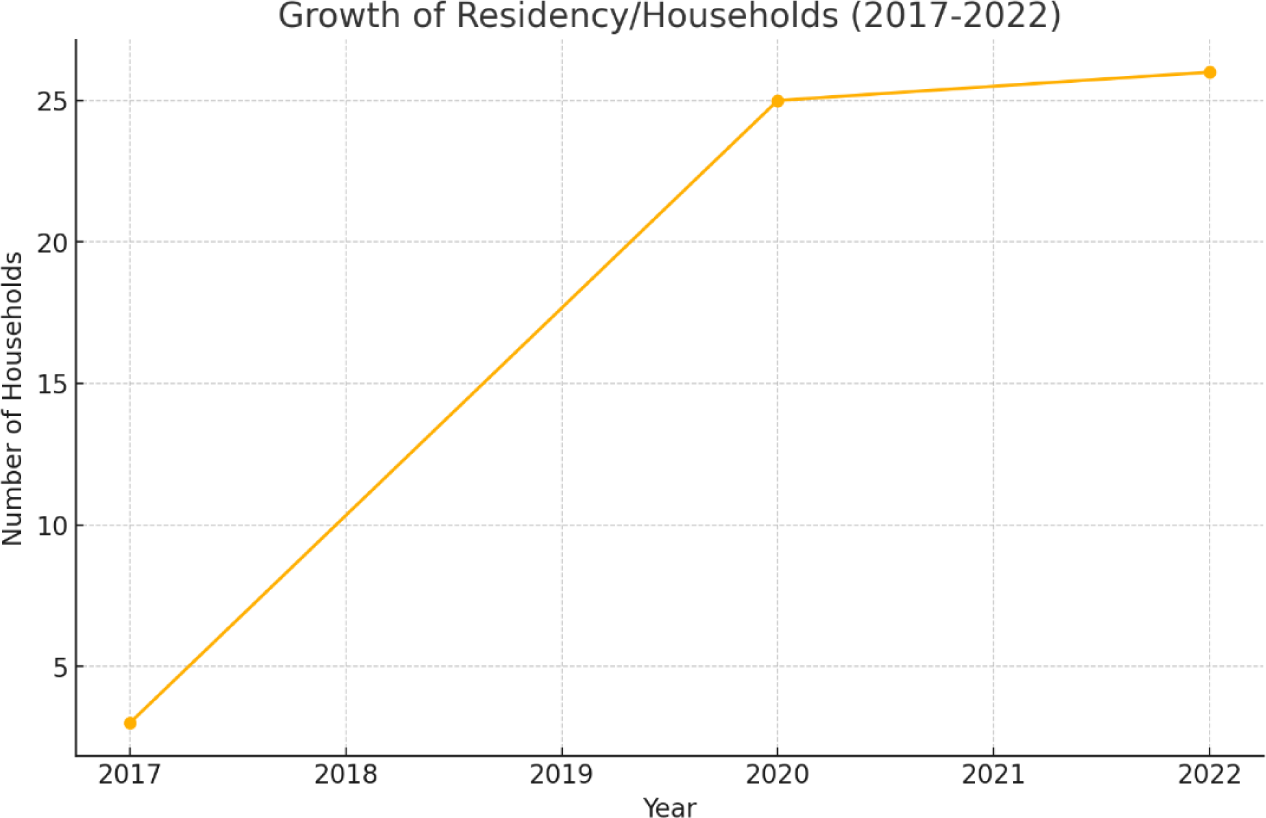
Intergenerational living originated in Spain and later spread to the United States, Germany, France, and Japan. The earliest example in Taiwan was the 2017 collaboration between the New Taipei City Government and a social enterprise named “9 floor.” The following Fig. 1 is the line graph showing the growth of residency/households from 2017 to 2022 in New Taipei City. It was significant to increase from 3 households in 2017 to 25 households in 2020, with a slight increase to 26 households in 2022. Intergenerational living facilities are now present in Taipei City, New Taipei City, Taoyuan City, Taichung City, Kaohsiung City, and Taitung County. Intergenerational living refers to situations in which older adults live in spaces where they can interact with younger generations with whom they do not share blood or geographical connections; the goal is to match local older adults with students or young working adults with limited housing budgets. In this arrangement, the younger adults provide companionship to the older adults in exchange for reduced rent in a shared household.
Intergenerational living requires active participants, suitable living places, and support and management by governments and private organizations. New Taipei City was the first area in Taiwan to implement an intergenerational living program, which has been used as a reference in subsequent attempts by other municipalities; therefore, this study evaluated and analyzed intergenerational living models in New Taipei City. It specifically examined the status quo and effectiveness of these models through a literature review and in-depth interviews. Insights into intergenerational living mechanisms can be translated into response measures for establishing more effective and comprehensive intergenerational living models. As part of the sharing economy, which endeavors to avoid unnecessary resource waste, intergenerational living models can increase the use of under-used spaces and resources while improving the living conditions of older adults who live alone by promoting intergenerational interactions. The research questions are as follows:
-
(1) What is the content of intergenerational living program in New Taipei City? Specifically, what are its operational models, status quo, and how does it match participants?
-
(2) How do intergenerational living programs in New Taipei City achieve the vision and expected benefits of aging in place policies? What are the factors influencing the effectiveness of intergenerational living programs in New Taipei City?
-
(3) How does the promotion of intergenerational living in New Taipei City affect intergenerational exchanges and learning? How do intergenerational living programs affect intergenerational relationships? What are the challenges encountered?
-
(4) Do the collaborative lifestyles associated with intergenerational living make effective use of resources and facilitate effective resource sharing?
Literature Review
Aging in place is a practical approach to elderly care policies (Bookman, 2008; Pastalan, 2012). This concept originated in the Nordics in the 1960s, during an era in which people had become dissatisfied with the lack of privacy afforded by care facilities and had yearned for their elderly to return to their homes and communities. One of the core tenets of aging in place is deinstitutionalization; aging in place occurs not just within one’s home but also as part of one’s community. Aging in place emphasizes community-based care, which connects family care with mutual assistance among community members and unites local resources through community care and support networks to develop local services offering care to older adults, thereby allowing older adults to live their accustomed lifestyles with dignity (Iecovich, 2014; Mynatt et al., 2000; Vasunilashorn et al., 2012). Governmental policies around long-term senior care have gradually shifted from “institutional care” to “community-based care.”
Intergenerational living refers to living arrangements whereby younger and older adults share living quarters, with the younger adults providing care and companionship to the older adults in exchange for reduced rent. In such housing models, residents typically have their own rooms and share public spaces, where they can engage in intergenerational exchanges, share their experiences, and express interest in each other’s life. Through the integration of social resources, intergenerational living can alleviate the stress of home care; it can also leverage social support to advance intergenerational communication and understanding (Liu, 2019).
Intergenerational living can occur in private homes, public housing, or settlements created by social enterprises. After building retirement villages in the beginning of the twenty-first century and discovering that the villages were unable to address issues of social isolation among the senior residents, the city of Alicante, Spain began implementing an intergenerational living program. In 2003, the city’s local government made 244 low-rent houses available to adults aged 35 years or younger and 65 years or older, with rents as low as €160 per month. Preference was given to older adults with financial difficulties, and young adults were selected according to their income and volunteering experience. Subsequently, a growing number of universities in Spain began implementing intergenerational living programs. In these programs, the university acts as matchmaker and manager to facilitate agreements between older adults and students, and the older adults rent out extra space in their homes to the students, who in turn provide their hosts with companionship and care. In 2012, the Humanitas Deventer long-term care center in the Netherlands introduced an intergenerational living program. As part of this initiative, they implemented a student resident program in 2016 that offered free housing to six university students in exchange for 30 hours of “being good neighbors” to older adults—according to their own ideas and creativity— each month. The goal was to encourage greater interaction between students and older adults (Li, 2018, 2019). Furthermore, the housing organization Habion created a novel Flexible Housing and Care social housing model that involves planning appropriate residential environments for older adults and recruiting young adults to cohabit in those environments (He, 2018).
Geku-Haus is a housing project in Germany that involves renting out apartments to older adults and young adults. The project is unique due to its strong cultural and artistic vibe and its respect for experiences and heritage. Most of the older adults in Geku-Haus are professionals with special craft skills, and the young adults are predominantly artists or work in the marketing industry, and the cohabitation arrangement allows the residents to share their lives and skills with each other, enhancing both groups’ livelihoods. Geku-Haus features a lounge where residents can interact. Residents who want to be left alone use blue coasters, and those who are open to conversation use red coasters. These coasters eliminate the awkwardness associated with not knowing whether one should initiate a conversation. Refreshments in the lounge are also plentiful and free but may not be taken away; this restriction is to encourage intergenerational interactions within the lounge (Tang, 2018). Judson Manor, a retirement living community in the United States, implemented an intergenerational living program whereby graduate students in financial need from the Cleveland State University School of Music qualified for free housing in exchange for giving monthly musical performances to Judson Manor residents. In an intergenerational living program managed by Le Pari Solidaire in France, landlords must provide single rooms either for modest rent or companionship in lieu of rent; the association receives applications and matches landlords with tenants. Several agencies that promote intergenerational living arrangements in France jointly formed the CoSI network to spread the philosophy of intergenerational living in France. The French government also passed laws in 2020 clarifying the rights and obligations of those who participate in intergenerational living programs.
In Japan, where population aging is a serious issue, the nonprofit organization Machi-ing Hongo, based in the Hongo district of Tokyo, runs a home share program in which older adults living alone can offer free or cheap rooms to students studying in Tokyo. To increase students’ understanding of intergenerational living and promote the intergenerational living programs, private organizations and university departments have organized short-term activities for college students to experience living together with older adults (Table 2).
Intergenerational relationships are bidirectional, interactive relationships that traditionally involved individuals from different generations of a single family. These relationships emphasize mutual respect and communication and play a crucial role in cultivating social bonds as individuals mature. Zeldin et al. (2003) argued that the objectives of building healthy intergenerational relationships are to uphold the right of young people in decision-making, support the positive development of young people, and strengthen community and civil society. When individuals from different generations can work together, partnerships between younger and older adults can unite the creative abilities of the younger generation and the wealth of experience of the older generation in services to organizations and communities. Furthermore, older adults as collaborative partners in group activities can support the development of young adults and obtain a sense of accomplishment from the interaction (Zeldin et al., 2004).
To facilitate cooperation, understanding, and exchange between different generations, various governments and international organizations have proposed their own intergenerational programs. The International Consortium for Intergenerational Programs and the United Nations Educational, Scientific, and Cultural Organization have defined intergenerational programs as the creation of purposeful and sustainable resource sharing and learning tools between older and younger generations for personal and social gain. Participants in these programs must include at least two non-adjacent and non-familial generations, and programs must demonstrate the joint interests of the participants while confronting social issues and policies relevant to the generations and social equity (Park, 2022), driving understanding and familiarity between the generations and increasing mutual respect (Hatton-Yeo & Ohsako, 2000). Intergenerational programs may vary in their approaches and activities but ultimately benefit all age groups involved (Kaplan, 2001; Scannell & Roberts, 1994).
Intergenerational learning can occur when younger individuals and older adults jointly participate in activities that are designed to develop academic knowledge and skills and cultivate social service skills (Brown & Ohsako, 2003). Intergenerational learning can break down prejudices and stereotypes between generations, promoting mutual understanding and respect (Boström & Schmidt-Hertha, 2017; Kaplan, 2002). From a social capital standpoint, intergenerational learning provides a foundation for lifelong learning, creating synergy in all aspects of social life (Aemmi & Moonaghi, 2017; Newman & Hatton-Yeo, 2008).
Youths and older adults develop positive values and attitudes and are able to build interpersonal relationships that satisfy their affective needs (Holmes, 2009) and strengthen intergenerational connections (Labit, 2015). Intergenerational living refers to the interactions and exchanges between different generations that occur outside the family structure. Cohabitation participants in intergenerational living arrangements come from diverse backgrounds and have different ages, cultures, ethnicities, and abilities. The relationships between cohabitants are seen as partnerships of mutual companionship. Intergenerational living programs are mostly supported through collaborations between government and organizations, and thus enhance trust in government (Campbell, 2023). Participants are equal to one another. Community resource sharing and services are leveraged to facilitate the relationships between young and old people (Scannell & Roberts, 1994). For young people, intergenerational environments can enhance their prosocial behaviors and communication skills (Kessler & Staudinger, 2007) because they must deal with everyday issues of cohabitation, such as taking out the garbage, using shared spaces, and cleaning and tidying. Cohabitation encourages young and old people to actively shape their home and living environment, allowing them to understand their intergenerational relationship as one of mutual dependence while living together (Buffel et al., 2014). The experience of intergenerational living can also induce participants to learn how to communicate and make decisions with different age groups, including how to listen, how and when to initiate conversation, how to be persuasive, how to communicate your perspectives clearly, and how to negotiate (Kaplan, 1997).
Labit & Dubost (2016) interviewed participants of intergenerational living programs in France and Germany. They found that international cohesion is difficult and that members of intergenerational relationships often have conflicting ideas, philosophies, and habits. Furthermore, participants of intergenerational living programs come from different families, age groups, and backgrounds, and these differences increase the difficulty of building harmonious intergenerational relationships.
Intergenerational conflict has several causes. First, youths and older adults grow up in different environments and have different social experiences; they also receive different educations and have different knowledge structures. These disparities often manifest as the absence of a common language, which prevents effective communication. Two individuals in an intergenerational conflict with each other are also typically at different life stages, resulting in many discrepancies in their mentalities and physiologies that lead to differences in their affective thoughts and behavioral patterns. Second, the extent to which the younger person is able to satisfy the older person’s expectations, as well as the gap between the younger person’s expectations of themselves and their reality, are also factors of intergenerational conflict. Lastly, each generation has a distinct social role, and individuals are typically expected to fulfill their respective roles. Conflicts can arise when someone is unable to effectively fulfill their role or fails to respect the ideas of others. Furthermore, intergenerational conflict typically develops as a result of different ideas and values in intergenerational interactions. A major challenge for those in intergenerational living arrangements is compensating for intergenerational differences and resolving intergenerational conflict (Hortová & Souralová, 2019).
The sharing economy, which evolved from the concept of collaborative consumption, emphasizes sharing in the consumption of economic goods or services while engaging in activities; therefore, the sharing economy is also known as the collaborative economy. Stephany (2015) defined the sharing economy as the value created by redistributing unused assets to other groups over the Internet. Sharing platforms allow individuals to share assets, resources, time, and skills, opening up underutilized resources. The Internet and participant matching platforms bring together scattered groups by facilitating exchanges between multiple parties who can then obtain goods, skills, and services. Furthermore, in sharing economy models, consumers are visitors rather than owners, and businesses and individuals share the right to use shared objects, reducing the need for ownership (Richardson, 2015; Stokes et al., 2014; Wosskow, 2014). The concept of cohabitation in intergenerational living is the manifestation of collaborative lifestyles as part of the sharing economy: the emergence of the sharing economy led to the development of cohabitation as a concept, which was combined with aging in place initiatives and coalesced into the intergenerational living housing model.
Social, economic, and technical factors formed the sharing economy, and its emergence has influenced every aspect of people’s daily life. The sharing economy has introduced new housing models, such as co-housing and co-living, which involve the sharing of lives to create nonconventional living arrangements. Influenced by the utopian, feminist, and communitarian movements of the nineteenth and twentieth centuries, co-living first emerged in Denmark in the 1960s and later spread to other European countries, namely Sweden, the Netherlands, and the United Kingdom, before spreading to the United States. Co-housing was initially modeled after community-based collective housing models—community residents each have their own bedrooms but share public spaces, such as kitchens, dining halls, and gardens, and living environments are collectively maintained and managed by all residents. In short, co-housing models are new residential models established for the purpose of improving social relationships, increasing a sense of community, promoting equal gender rights, and responding to social needs, such as the need for everyday services, energy saving, or cost saving (Tummers, 2016; Williams, 2005). Co-living allows individuals to escape traditional family structures. Furthermore, co-living promotes neighborly relationships and reinforces social cohesion among cohabiting families (Vestbro & Horelli, 2012).
The close relationship between co-living and co-housing represents the inseparability of life and housing. Co-living refers to the state of living together; co-housing refers to the housing concepts relating to co-living and how these concepts are carried out. Co-living connotes collective and collaborative practices, whereas co-housing is the development of collective housing and can be explained from cooperative, public, collaborative, collective, and community-oriented perspectives. Co-housing refers to community-based collective housing with public spaces and shared facilities; this type of housing combines the autonomy of private housing with the advantage of community living by connecting multiple private residences with shared spaces and facilities, allowing residents to have private space, semi-private space, and public indoor and outdoor spaces. This type of hybrid housing affords residents a balance between their private and public lives and creates opportunities for social interactions whereby residents support each other (Beck, 2020; Vestbro, 2010). According to Wood (2017), co-living is an umbrella term that comprises the various forms of co-housing in which two or more strangers live together under the same roof and use the same shared spaces that facilitate engagement among cohabitants, reduce feelings of alienation, and establish connections among one another. Vestbro (2012) asserted that the most important benefits of cohabitation are the sharing of space to prevent its waste and the sharing of resources to enhance sense of community and reduce consumption; co-living can also improve the utilization of space by reducing the size of ordinary apartments and the number of personal rooms.
Research Methods: A Case Study
New Taipei City was the first municipality in Taiwan to implement an intergenerational living program. The Urban and Rural Development Department began collaborating with social enterprise 9 floor in 2017 to establish the privately operated Youth Social Housing program in the city’s Sanxia District as a pilot for intergenerational living programs, and beginning in 2018, offered 6-month residencies to three older adults and seven youths, who were selected to participate in the program. In 2020, another intergenerational living program was established at the Xindian Youth Social Housing Center. This program, called the Yangbei Intergenerational Living Seed Program, targeted adults aged 20 to 40 years or less than 20 years if already married and adults aged 60 years or older and promoted innovative co-living apartment culture through the planning and management of living spaces and the organization of group activities that demonstrate intergenerational integration concepts.
When first establishing such intergenerational living programs, a two-night trial run was offered to allow interested persons to experience intergenerational living before committing to a long-term residency. The program organizers also took advantage of this trial run to observe intergenerational interaction patterns and the utilization of various facilities in shared spaces. Intergenerational housing in the Sanxia district of New Taipei City comprised three intergenerational households, all located on the same floor and each featuring three bedrooms. To facilitate interactions between cohabitants, what would have been exclusive living rooms, kitchens, and offices were redistributed as shared spaces with individual themes, reclassified as a food hall (cafeteria), a work hall (workspace), and a play hall (living room). Tenants were selected based on the function and use characteristics of each space, and open hours of the public spaces were set to ensure that connections can be made in each of the redistributed spaces.
Participants in the Yangbei Intergenerational Living Seed Program were referred to as seeds due to the way they moved throughout the community establishing connections with other households. The program had 25 seed households (20 studios, 4 two-bedroom apartments, and 1 three-bedroom apartment) on the third floors of buildings C and D of the Yangbei Social Housing development in Xindian. The Yangbei Social Housing development has three shared spaces—the children’s game room, the reading room, and the multifunctional conference room—and a rooftop garden, gym, and plaza for use by residents.
Through the reclassification and integration of spaces, the New Taipei City intergenerational living programs endeavoured to break through geographical restrictions, change the concept of independent living to reflect collaborative living models within the sharing economy, and promote the sharing of both tangible and intangible assets, such as public spaces, software and hardware facilities, skills, and time. In this paper, intergenerational living in New Taipei City shall be discussed according to its economic and social drivers.
As for economic drivers, a goal of the New Taipei City intergenerational living programs was the reduction of housing costs for youths, who received reduced rents in exchange for their active participation in the programs. Furthermore, intergenerational living enables the full utilization of idle resources through the repurposing of underutilized public spaces into shared environments for residents. The sharing of appliances and daily necessities resulted in the cutting down of unnecessary costs.
Social drivers are referred to the human interaction dynamics while facing the challenges from population aging and declining birth rates, which have led to increasing proportions of older adults and single people living alone. Their concerns have become an urgent issue that the New Taipei City government must solve. The care of senior populations extends beyond providing medical care and includes meeting the mental, physical, and social needs of individuals. The government must build environments conducive to the health, safety, and lifelong learning of older adults. People’s desire for community is another factor. In busy societies, the concept of community has become weaker over time. Residents in co-living arrangements may be able to regain a sense of community and rediscover connections between others. Co-living maximizes the benefits of sharing by utilizing public spaces for improved resource utilization and fostering interpersonal interactions (Huang, 2017).
Another goal of New Taipei City intergenerational living programs was to mitigate the effects of population aging, population decline, and social changes by creating an innovative housing culture that features intergenerational sharing and integration. New Taipei City’s programs borrowed from co-living experiences overseas in the hopes that intergenerational living will become popular all over Taiwan, thereby providing individuals with a greater diversity of housing options. These pilot programs are a beginning, driving private enterprises to invest in intergenerational living models and establishing aging in place practices.
Interviewees: Include representatives from the sponsor, first-line workers from the organizer, older adult participants, and youth participants.
Data collection: Through in-depth interviews.
Analysis processes: The selected analysis labels include intergenerational living conditions, participant-matching effectiveness, interactions and exchanges, and thoughts on the program.
Interviewees were selected through purposive sampling and snowball sampling. Interviewees were a representative of the Housing Development Section of New Taipei City Government’s Urban and Rural Development Department, which sponsored the program; first-line workers from the organizer; and participants of the program. The following information was collected through in- depth interviews: practices that provide insight into intergenerational living conditions, whether the current intergenerational living participant matching model effectively matches co-living partners, interactions and exchanges between different age groups, and the interviewees’ thoughts about the program. A total of 12 individuals were interviewed. Interviewees were coded A for the sponsor, B for the organizer, C for older adult participants, and D for youth participants. Interviewee details are presented in Table 3.
This paper focuses on issues relating to aging in place, intergenerational relationships, and the sharing economy, with emphases on the views, suggestions, and present conditions of the policy stakeholders (including the policy implementers and participants). The questions asked in the semistructured interviews are presented in Table 4.
Research Findings
Management and policy implementation were the purview of 9 floor, who played a counselling role within the program. According to the project implementers from 9 floor (Respondent B1, B2), the New Taipei City Urban and rural development department would provide the initial specifications and 9 floor would be responsible for drafting suitable activities for the intergenerational living program according to those specifications. The funds for the policy implementation were from “New Taipei City Youth Social Housing Intergenerational Co-Living Project”. As for the origins of legislation, the housing policy initiatives for the elderly have shifted from the Elderly Welfare Act to being incorporated into housing regulations. The competent authorities are responsible for considering social and economic development, land use planning, regional development, population trends, housing supply and demand, and other factors when formulating housing plans and financial plans.
We might draft activity content that we think is appropriate based on the standard guidelines, but actually, I feel that the Urban and Rural Development Bureau has left us quite a bit of flexibility. It can be adjusted dynamically at any time. (B2)
It’s difficult to have a single plan… and when we find that it might not be feasible, we need to adjust it promptly. The variability is quite high, but each base has very different conditions. (B1)
The Sanxia Intergenerational Living Program fell primarily under the designs of the New Taipei City government, who set the direction, phases, and goals of the program. The program had four phases: a 2-night trial, a 6-month residency, an 18-month residency, and finally a long-term residency renewed every 2 years. The maximum length of stay was 12 years for older adults and 6 years for youths. Youths were selected on the basis of financial and income qualifications for social housing (A1). The program was subsequently entrusted to 9 floor, who took over the planning and management of the program.
…Similar to social housing, the contract is signed for two years at a time, with a maximum duration of twelve years for seniors and six years for youths…(A1)
After meetings to discuss, revise, and vote on proposals, the approved activities would then be implemented. However, given the uncertainties and fluctuations in community affairs, flaws in plans were sometimes only discovered during the implementation process, derailing the implementation from the original plan. Considerable differences among the conditions at each site also prevented the replication of prior experiences. Consequently, the Urban and Rural Development Department, in a demonstration of flexibility, allowed 9 floor to carry out rolling adjustments to their implementation as necessary. These adjustments were reported to the New Taipei City urban and rural development department or proposed during work meetings to ensure the smooth implementation of the program.
The selection and matching of participants were a major part of successful intergenerational living, helping residents find appropriate candidates for cohabitation and reducing the possibility of friction among residents. In New Taipei City’s intergenerational living programs, each participant was screened in a similar manner: first by application and then by interview. Candidates were screened according to their personality and the feasibility of their proposals for contributing to the community, with the goal of selecting participants passionate about the program, willing to help others, and able to contribute to the community. During interviews, candidates can easily hide aspects of themselves they don’t wish others to see. This can lead to the selection of unsuitable residents and increased reliance on the implementation team for supervision and assistance. The organizer, 9 floor, also suggested that differences in life stages and paces among participants might have been contributing factors, specifically the various situations encountered at different stages of life rather than issues with the screening process. During these times, the organizer discussed rolling adjustments to the program through empowerment activities and monthly meetings and reviewed the participants’ conditions during annual inspections (A1, B1).
The first stage is a written review, followed by the second stage, which is an interview. In the interview, we mainly focus on the feasibility of the project and the individual’s characteristics. (A1) Generally, we look at the feasibility of the community benefits, the public welfare aspect, and the individual’s personal traits, among other factors. (B1)
According to the interviewees, the programs lacked sufficient incentives to attract candidates with special talent or enthusiasm and ideas related to community building. The programs offered rent discount programs and application channels other than the lottery channel used for conventional social housing applications; however, the rent discounts were negligible, with program participants being required to pay almost as much rent as typical social housing households while also being required to expend time and effort holding classes and participating in the community activities of the program (C1, D3).
The level of benefits you offer to the “seed” tenants is also an incentive. If the benefits aren’t significantly different, people might wonder why they should agree to your terms. However, if there’s a substantial gap, they are more likely to adhere to the regulations here. This could help you find individuals who are more suitable. (C1)
If the incentives are insufficient, it’s challenging because “seed” tenants, in addition to paying the same rent, also invest a lot of time in organizing community activities. You need to offer enough incentives to attract people who are genuinely interested in community development. (D3)
When asked about the participant matching process, the participants of the Sanxia program responded that the program did not initially have a special participant matching mechanism, and although the organizers surveyed participants to obtain information about their routines and schedules before they moved in, rooms were assigned only by gender, age, and room characteristics. As a result, differences in routines and schedules led to conflicts that could only be resolved through adjustments made by the organizer and residents after the fact. Although the selection and matching of residents remained consequential, the influencing factors were too numerous, and appropriate candidates could not be identified and matched solely through interviews. Consequently, a few of the interviewees stated that rather than modifying the participant matching mechanism, establishing a program-specific withdrawal mechanism would be beneficial. The present withdrawal mechanism was designed for residents of conventional social housing, and despite additional review mechanisms in the program, requests to residents were difficult to enforce in the middle of a contract. Evaluation and withdrawal mechanisms specific to intergenerational living should be established to ensure the longevity and sustainability of intergenerational living (D1, D4).
I think the matching process is problematic because no one really knows how the program will work; people just use their imagination. For example, they might place a man in one room and assume that elderly women will go to another room, thinking they will go to bed early. However, things don’t always turn out that way in practice. Therefore, adjustments are often made based on how things develop after people move in. (D1)
I think there should be an exit mechanism in place, or at least a regular assessment to determine if someone is not suitable for living here. The current exit mechanism is more in line with social housing regulations, but there isn’t a specialized exit mechanism for this particular program. (D4)
The subsequent program in Xindian, called the Yangbei Intergenerational Living Seed Program, resembled the Sanxia model by placing participants together in the same household. Conflicts also arose during this program due to differences in habits and routines, with the organizers and other participants unable to intervene. Based on prior experience, the organizer was required at times to play the role of mediator. In 2022, new contracts were used. These contracts had a “one person, one household” and “one family, one household” model. Due to the new contracts, the resident matching process was more or less discontinued (D3, B1, C1).
The conflicts that arose were due to people living in the same unit, as their lifestyles were really too different. Maybe if we lived on the same floor, it could be considered as intergenerational cohabitation. (D3)
When they first moved in, there was a plan for them to live in the same unit. However, it was later discovered that there were still many conflicts. So earlier this year, we discussed with the Urban and Rural Development Bureau that we hoped to move away from co-living and instead adopt a model where people are neighbors but have their own separate units. (B1)
Currently, there is no more matching process. Now, everyone has their own room, and cohabitation is only for couples or family members. (C1)
The Sanxia and Xindian intergenerational living programs had several operational differences. The Sanxia program had inward community management, which involved a partnership between 9 floor and the residents. Connections between residents were strengthened through planning and empowerment activities, which encouraged mutual cooperation and assistance in daily activities. The Xindian program had overall community management, which emphasized co-living and relying on seed households to organize community activities; this operational approach was more community-focused than that of the Sanxia program. Furthermore, the Xindian program’s approach involved discussion topics and activities that were directed to the whole community. However, in this operational model, the seed households tended to focus on their own classes, diminishing cohesion among the seed households in comparison to the Sanxia model. After discovering this trend, 9 floor made adjustments to enhance cooperation between seed households. The adjustments meant that seed households had to engage not only in community actions but also in common seed household affairs, thereby increasing opportunities for exchange between households (B1).
I think the main difference is between managing internal communities and managing the community at large. Internal community management feels more like a partnership, whereas in the central northern area, despite the fact that co-living is a reality, there’s a focus on having them organize community benefit activities. So, in terms of direction, it’s not really about their internal dynamics. (B1)
These examples demonstrate that with the changes in characteristics across sites, the operational models of the Sanxia and Xindian intergenerational living programs shifted from “inward” community management to “outward” management of the whole community.
Older adults generally wish to avoid becoming a burden for their grown children. To avoid becoming a burden and to give their children space, they often choose to move out of their homes.
Older adults who still desire to contribute their skills to the society may choose to participate in intergenerational living programs (C1). Rent and residential environment are also reasons that many residents choose to join the program, and by extension, the sharing economy. Social housing offers lower rent than the market rate, as well as administration of the housing environment and resources, allowing residents to share resources to acquire higher standards of living at lower costs. Furthermore, the proximity of the Sanxia Social Housing project to a university provided alternatives to students with housing needs and an interest in intergenerational living (C2, C3, C4, C5, D2, D4). Some participants were already receiving information about older adult health and intergenerational activities or were already engaged in community programs. These participants wanted to offer their skills to their community (D1, D3).
My daughter and I live together, but having a blood relationship can create some unspoken pressure. So I’ve been thinking, do we really need to live together? We could potentially contribute to more people this way. (C1)
As I’ve gotten older, and having previously rented houses, I joined this program because it helped solve my housing problem. (C2)
I came to check out the housing plan beforehand, and the layout and lighting are both very good. (C4) The rent is much cheaper compared to renting elsewhere, so I decided to apply for this program. (D2)
I studied at OOO University and had a need for rental housing. Since I had always lived with elders, I thought this program could not only address the housing needs of young people but also provide elders with a sense of community participation and companionship. So, I decided to apply for the program. (D4)
At that time, I was frequently dealing with information related to senior and intergenerational housing. I happened to see that the Urban and Rural Development Bureau was promoting this program. Since I was studying at OOO University and had been renting in Sanxia, I decided to apply. (D1)
I was working on a project related to social design, and while working on it, I came across this program. It seemed very suitable because my project was aimed at having young people and elders collaborate, so I thought it would be a good fit. (D3)
In intergenerational and collaborative living conditions and interactions, what sets the seed residents in the Yangbei Social Housing apart is that they are required to interact with other residents through community classes. Lessons in these classes can be decided by the seed residents according to their skills. Some offer classes for children; others teach singing, videography, or drawing. These classes are free to residents in the community, providing opportunities for exchanges and interactions. Attendance was low at first, especially among the older adult residents, resulting in fewer activities aimed at that demographic. Then the COVID-19 outbreak presented another hurdle. Following the decline of the pandemic and the continued efforts of the seed residents, interest in the classes gradually increased (C5, D2).
Currently, most of the goals for intergenerational cohabitation programs are focused on children, which has led to a neglect of activities for the elderly. As a result, there are fewer activities for the elderly. (C5)
If there were no pandemic, it would be fine. However, last year, due to the pandemic, classes were mostly online, which made teaching more inconvenient because we were teaching courses related to audio and video. (D2)
Unfortunately, according to seed residents, the program did not provide sufficient funding for the community classes, posing a massive challenge to the implementation. Expenses were not consistently reimbursed, and as a result, seed residents had to personally bear the costs of holding classes or unable to offer comprehensive services. The mechanisms for providing funding and resources for classes offered by seed residents must be improved to allow the seed residents to focus on teaching and increasing their willingness to invest their time and energy in community classes (C4, C5, D3).
Regarding the funding for this issue, we still have to consider it. For some activities, we’ve been paying out of our own pockets. If the government is willing to support us, then we’ll have the motivation to carry them out. I think the main problem lies here; actually, all activities are the same—they all require funding. (C5)
When we went through the selection process, we presented what we wanted to do. But after we officially started, we realized that, given the situation at that time, we didn’t have a budget. So it wasn’t possible to carry out the plans the way I had envisioned. (D3)
The generalizations and analysis of the discourse on the development and implementation of the intergenerational living programs are presented in Table 5. The Sanxia Taipei University Intergenerational Living Program is an example of simple and inward intergenerational living that emphasized connections among residents. By contrast, the Xindian Yangbei Intergenerational Living Program incorporated the entire community into its intergenerational living scope. The New Taipei City urban and rural development department was responsible for policymaking and reviewing the directions of the New Taipei City intergenerational living programs. The private organizer, 9 floor, was responsible for managing the programs and implementing the policies.
According to respondents from the Xindian Yangbei program (C1, C2, C3, C4, C5), the software and hardware facilities at the Yangbei Social Housing project were suitable for their use. When discussing aging in place, according to respondent B2, the older adults living in social housing had already left their original areas of activity and could not be considered locals (and hence not fitting for the definition of aging in place). Regarding the notion of intergenerational co-creation in intergenerational living, which allows older adults to feel useful, respondents stated that the Xindian Yangbei Intergenerational Living Program designated its seed residents as “seeds” of inspiration for nurturing interest groups within the community, allowing older adults to teach classes that demonstrate their expertise. These actions by the seed residents encouraged other residents to join in and create more diverse patterns of interactions and collaborations.
I think, for this community, if you are a regular person, the facilities it provides are quite good. (C1) Actually, both the services and the living resources here are pretty good. (C2)
I think this place is excellent… especially the open courtyard here, with a park-like green space. (C3)
Another point of consideration is that the intergenerational living programs were carried out in social housing facilities. These facilities receive government assistance to provide older adults with resources and services, and they have specific criteria for admittance. In the past, some older adults wanted to participate in these programs but were ineligible for social housing, a great pity for the program. Originally, only five older adults signed up for the program, compared with 52 youths; this phenomenon also highlights older adults’ general lack of access to information. Furthermore, admittance to the intergenerational living programs also requires residents to teach community classes, and this additional requirement may dissuade older adults from participating in the programs if they believe they have nothing to offer (D4). One respondent (C2) said that social housing rent was still rather high and only affordable if the residents have the financial means, otherwise, those in somewhat poorer financial conditions were unable to participate in the program. Moreover, social housing has a cap on residency, and residents approaching the maximum number of years must move out. One example is the termination of the Sanxia Intergenerational Living Program, resulting in the residents moving out in a flurry. As a consequence, older adults were unable to age in place in social housing. If older adults ultimately have to return to their prior way of living, the problem of older adults living alone cannot be fully solved, and the goal of aging in place cannot be fully achieved (D1, D4).
The plan for co-living tied to social housing will definitely face difficulties in implementation because it needs to meet the conditions of social housing... There are indeed some wealthy elderly people who live alone, and they may really want to participate in this kind of plan and live with others. (D4) Those who come to participate in this plan... may want to do something that gives back to society... The initial plan might feel too distant to people... and the information is not that easy to obtain. So I think those elderly people who really have needs might actually be even more hesitant to apply. (D4)
Financially, there will be more pressure. If you have the financial means, it’s okay, but if your financial situation is poor, you won’t be able to continue living here. (C2)
Young people may move away for career planning, so how will these elderly people continue on? (D1) The plan also needs to carefully consider what to do after the residency period ends, as asking people to move out could be a negative aspect of the plan. (D4)
Due to these factors, although intergenerational living programs have been effective to some extent, they have also encountered many setbacks that have necessitated more time for implementation and adjustments. As for mitigating the effects of population aging and the declining birth rate, the effects have been limited by eligibility for social housing, residency caps, and rent, as well as program requirements for participants to contribute to their communities. These restrictions handicap the intergenerational living programs and compromise efforts to achieve aging in place (Table 6).
The interactions between the older adults and youths in intergenerational living programs have profound effects on the implementation of such programs. According to organizers (B1, B2), compared with other programs, the Xindian Yangbei Intergenerational Living Program was not established with mutual support among neighbors. The seed residents held classes and activities and emphasized the exchange of experience and mutual assistance in activities. The residents were assigned to teams—for instance, a public relations team and a clerical team—that worked together to carry out program activities, such as routine meetings. The sharing and delegation of tasks increased opportunities for communication, establishing relationships among the residents that evolved into everyday connections and deepened their understanding of each other. In the New Taipei City intergenerational living programs, the promotion of intergenerational relationships also involved the enlivening of public spaces, including the establishment of lounges and other public spaces in which residents could interact with one another (C5).
The connection between the seed groups is mainly about the current cooperation with our office...
Through this kind of exchange, we communicate with each other. (B2)
Here, it’s not so much about mutual aid in daily life, but rather about exchanging experiences in working together and organizing events. (B1)
According to two participants (D1, D4), intergenerational relationships at the Sanxia Intergenerational Living Program were built on daily exchanges, discussion of community rules, and group dinners. Younger and older generations interacted with each other by sharing their knowledge, skills, and experiences, and these interactions allowed them to learn from and take care of one another. For example, the older adults demonstrated concern when the youths encountered difficulties, and the youths offered general or technological assistance to the older adults. In these processes, both generations accommodate the other’s shortcomings and accept perspectives and views that differ from their own. Furthermore, according to the interviewees, participation in the intergenerational living programs helped them navigate relationships with their families. Some older adults originally lived with their children, and differences in lifestyle habits and opinions led to tense relationships; by choosing to move out and participate in intergenerational living programs, older adults were able to find fulfillment by contributing to the programs while giving themselves and their children space. Increased interactions with younger generations helped enhance their understanding of how younger people think, and their children were happy to see their parents undergo changes. Younger participants also confessed having misunderstandings between themselves and their parents and being impatient with their parents until joining the program, which forced them to learn to get along with older adults. Their interactions with the older adult residents helped them understand how older generations think and reflect on how they communicate with their parents (C1, D1).
I think most of the time it’s more about daily life. I feel like learning is also about others accepting the parts of me that aren’t so good, so I feel like I can accept the parts of others that aren’t so good either. (D1)
In this small living room, of course, there were also times when we held meetings together. (C1)
Given their considerable differences in age, growth environment, and background, youths and older adults tend to exhibit cognitive differences in ideas and values, leading to cultural clashes. These differences result in communication difficulties, misunderstandings, and conflict. When such rifts occur, without proper communication, the organizers must step in to mediate. However, mediation cannot prevent participants from losing trust in one another or improve the quality of intergenerational relationships (B2, D3, D2).
I think there will definitely be differences in communication, with elders having their own perspectives and young people having theirs. (B2)
At the beginning, there was a lot of distrust and some financial disputes. (D3)
The previous tension also arose because of the generation gap between the elders and the young people. (D2)
Differences in lifestyles and habits give rise to many intergenerational relationship conflicts in intergenerational living. The varying routines, uses of public spaces, and noise tolerances of the residents led to a lot of friction in the New Taipei City intergenerational living programs. Some older adults were unable to tolerate the lifestyle habits and behaviors of the younger residents, and some youths could not handle the lifestyles of the older residents. This intolerance and the lack of healthy communication affected the intergenerational living experience, and some people decided to leave as a result (C2, D2).
It’s easy for some friction and conflicts to occur, even over trivial matters like washing dishes or sleeping schedules. There would always be some conflicts. (C2)
There was some friction between them... Their routines were also quite different. (D2)
According to some interviewees (A1, B1, D1, D4), residents had different ideas of space ownership, leading to conflicts over the division of public spaces—despite the living room being designated a public space to be shared by all residents, some older adults had very stubborn ideas about boundaries in the home, viewing all space within the same household, not just their room, as their private domain. Consequently, other residents were hesitant to use the public spaces unless during classes or community activities. This situation prevented the effective utilization of public spaces during the Sanxia Intergenerational Living Program and limited exchanges between residents, preventing the sharing of resources (A1, B1, D4). The effects of intergenerational living on intergenerational relationships are summarized in Table 7.
The issue isn’t about young and old; it’s about how to learn to cohabit... Their first argument wasn’t between young people and elders as we might expect, but between elders themselves. (A1)
Actually, the mutual support networks that form among young people, or among elders, are also very important... It’s not necessary to always emphasize young-old interactions. It’s about different groups connecting and forming networks. (B1)
I often feel that intergenerational co-living isn’t really about the age difference; it’s about the challenges of co-living itself. Co-living involves people with different personalities and backgrounds living together, and the real question is how to get along. So, I don’t focus on the young-old difference. (D1)
I think it’s not really about age; it’s more about personality. I believe it’s mainly a personality issue. (D4)
In both New Taipei City intergenerational living programs, collaborative living involving a sharing economy was achieved through the arrangement of public spaces in the shared housing based on the characteristics of each location. However, the packaging of public and private spaces together in the Sanxia Taipei University program easily led to conflicts that decreased the residents’ willingness to use such spaces, and although the Xindian Yangbei program featured several shared spaces within the community, the seed residents lived on floors with insufficient space and had only a small lounge for their daily interactions. Furthermore, these public spaces were relatively closed off, making them seem restricted. If the shared spaces had been more accessible, the residents might have been more willing to spend time in them, increasing opportunities for interactions. Only then can effective utilization of spaces and resource sharing be truly achieved.
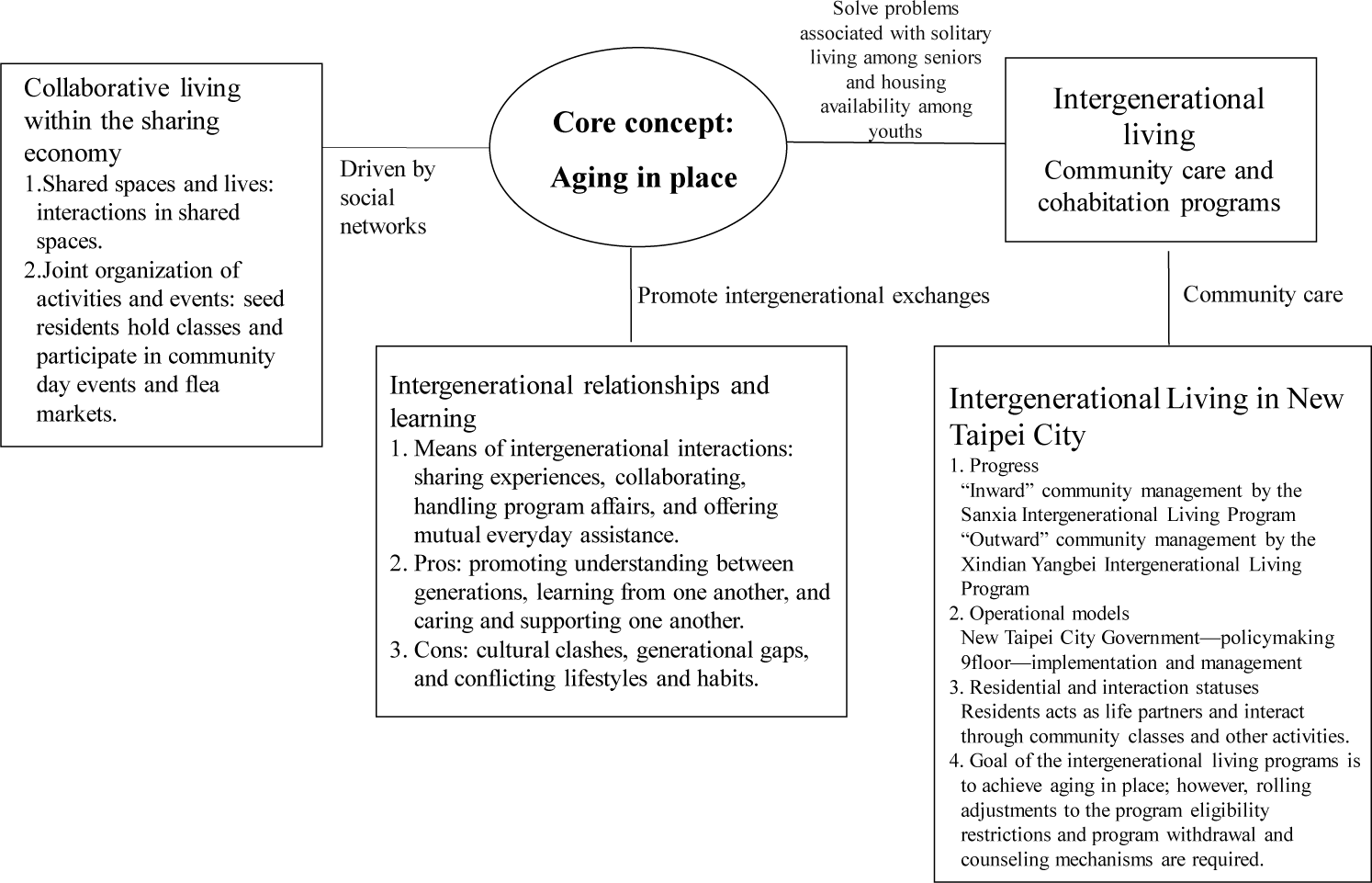
Pilot intergenerational living programs have been gradually implemented as part of Taiwan’s Ten-Year Long-Term Care Plan 2.0 to achieve aging in place and to solve problems of solitary living among older adults and housing availability among youths. This paper focused on the operational statuses of the New Taipei City intergenerational living programs, how intergenerational living encourages intergenerational exchanges, and how collaborative living within the sharing economy driven by social networks is demonstrated. The findings of this study are summarized in Fig. 2, which forms the basis for the conclusion.
Conclusion
In response to the dilemmas presented by an aging society and changing family structures, Taiwan has created policies related to social care for needy and underprivileged groups. Aging in place policies aim to leverage institutionalized community care resources to provide care to older adults using local resources, allowing them to grow old in familiar settings. This study examined Taiwan’s pilot intergenerational living programs in New Taipei City; by analyzing and understanding the implementation of these intergenerational living programs, the experiences of the programs may be leveraged to implement intergenerational living programs in other locations. Our research findings and several policy suggestions are summarized in Table 8.
This paper proposes the following policy recommendations. First, participation in intergenerational living programs should be better incentivized. The current intergenerational living programs lack sufficient incentives and have high bars for entry. Although participants enjoy preferential rents, the discounted rent is not much lower than the typical rent for social housing. Furthermore, seed residents received little subsidies for teaching community classes and often had to downgrade lesson plans as a result of insufficient funding, sometimes paying out of pocket to avoid complications. These factors diminish willingness to participate in the programs. Therefore, a practical recommendation is to provide participants of intergenerational living programs with greater rent discounts and greater flexibility in community class subsidies. By providing the participants holding the various classes with the resources they need and reviewing subsidies on a class-by-class basis, imaginative and able participants will have the freedom and motivation to offer interesting and desirable classes.
The second recommendation is the establishment of mechanisms for withdrawing from the intergenerational living programs. The biggest variable in whether an intergenerational living program can be implemented smoothly is whether both older and younger parties can abide by the contract terms and get along with other residents. Consequently, the establishment of a withdrawal mechanism is paramount. When problems arise that cannot be solved by individual interviews, reiteration of the program requirements, and mediation between residents, the consideration should be helping unhappy residents withdraw from the program without hindrance, either by assisting them with finding another suitable place to live or referring them to general social housing.
Third, eligibility for the intergenerational living programs and residency caps should be independent of those for social housing. At present, the New Taipei City Yangbei Intergenerational Living Program is being implemented in a social housing facility. Consequently, participants must meet the asset and income requirements for social housing. Furthermore, each contract is for 3 years and may only be renewed once, with a maximum residency of 6 years. This has resulted in one batch of participants being replaced by another. Although this program is a promotion of intergenerational living, at the end of their residency, where are the participants—especially the older adults—to go? The program, as it is, is unable to provide older adults with long-term homes and therefore unable to fulfill the vision of allowing older adults to age in place.
As such, intergenerational living programs should be separate from social housing and governed by distinct regulations. The establishment of sustainable programs for intergenerational living with long-term response measures will free intergenerational living programs from asset and income restrictions, increasing their accessibility among those with real need and interest. Residency caps for older adult residents should also be abolished, allowing older adult residents to enjoy their golden years without having to worry about where they will live afterwards.
The fourth recommendation is the design of open shared spaces in intergenerational living. The shared spaces within the New Taipei City intergenerational living programs were somewhat restricted, discouraging residents’ utilization of those spaces. Making shared living spaces more accessible will encourage residents to spend time in them, increasing opportunities for interactions. These experiences demonstrate that when planning intergenerational living programs in the future, shared spaces must be designed with these programs in mind. The current spatial designs at the Tucheng Yuanhe Youth Social Housing project, which features transparent and open kitchens, dining rooms, and lounges at the entrances to the residential floors, may be used as reference. This design allows participants to immediately see how the shared spaces are being used and to engage in interactions and exchanges with other participants in those spaces more directly.
Furthermore, at present, intergenerational living programs in New Taipei City are restricted to the discontinued Sanxia program and the ongoing Xindian Yangbei program. The programs are limited in scope, and awareness of the programs is lacking. To achieve aging in place through the sustainable development of intergenerational living and thus mitigate the effects of population aging and sub-replacement fertility, New Taipei City government must continue to expand its intergenerational living programs to more communities. Furthermore, New Taipei City covers a wide range of territories, comprising urban, mountainous, and coastal areas, each with their own characteristics and needs. For example, the Yangbei area has a larger population and its social housing operates on a larger scale; therefore, the Yangbei Intergenerational Living Program was promoted through its seed residents. On top of referencing existing intergenerational living programs, other areas must consider their own characteristics when designing their own intergenerational living models.
This study has several limitations. This study was an examination of intergenerational living in New Taipei City, the first city in Taiwan to implement intergenerational living programs, through interviews with representatives from the New Taipei City Urban and rural development department and 9 floor, as well as both older adult and youth residents. Because this is a case study, examples of intergenerational living in other municipalities could not be broadly incorporated. Second, because this study employed purposive and snowball sampling, not all the participants—old or young— of the New Taipei City intergenerational living programs could be interviewed, and the opinions expressed by those interviewed may not represent those of all participants.


