

Introduction
Although in-work poverty is in definitional chaos1 (Crettaz, 2013), specifically operational chaos, it can be conceptualized as those whose income from their employment is insufficient to prevent poverty (Li, 2022; Thiede et al., 2015). According to Eurostat (2023), the proportion of employed persons at risk of in-work poverty2 has steadily increased from 11.4% in 2015 to 13.0% in 2021. Because in-work poverty closely intertwines with sociodemographic, macroeconomic, and institutional influences, understanding the intricacies of this fluctuation necessitates considering various factors. Notably, shifts in the macroeconomic landscape, including deindustrialization, globalization, skill-oriented technological advancements, and the disruptive impact of the COVID-19 pandemic, have threatened employment and the labor market in advanced economies (Fana et al., 2020; Pradella, 2015; Vaalavuo & Sirniö, 2022; Williams & Kayaoglu, 2020). It has led to diminished job opportunities, a surge in structural and involuntary unemployment, and a dearth of quality employment options (Filandri et al., 2020; Hughes & Haworth, 2011; Marx et al., 2012), and most forms of employment have been unable to guarantee moving out of poverty because of macroeconomic factors changes, which has affected the in-work poverty issue (Thompson & Dahling, 2019). Therefore, individuals and households engaged in work find themselves compelled to rely on state interventions to safeguard against poverty, and different countries have adopted diverse strategies to address in-work poverty, encompassing both cash- and non-cash-benefits.
However, states significantly differ between the in-work poverty rate and prevalence (Polizzi et al., 2022). State interventions for in-work poverty in each state are not only various but also distinctive. Especially, Esping-Andersen (1990) argues that each state’s interventions have unique formation and development trajectories due to their own cultural, historical, economical, and political factors. For example, work-contingent tax credits and allowances, such as the earned income tax credits (EITC) in the United States (USA) and the working tax credit (WTC) in the United Kingdom (UK), are designed to reduce in-work poverty and increase work incentives for low-income workers. At the same time, child benefits in European countries have contributed to increasing labor attachment and an influential redistributive role in reducing in-work poverty (Marchal et al., 2018). Also, macroeconomic environment changes have changed the trend of state intervention. For example, the income maintenance policy/public assistance that is aid to families with dependent children (AFDC) had moved to ‘make work pay’ which refers to Temporary Assistance for Needy Families (TANF) in the USA. The effectiveness of AFDC and TANF aside, one of the greatest changes is the work requirement. AFDC did not have stringent work requirements, and recipients were not required to engage in work or job training activities, while TANF introduced more stringent work requirements. States are required to ensure that a certain percentage of TANF recipients participate in work-related activities, such as employment, job training, or community service (Davis, 2019; Ybarra & Noyes, 2019). Also, if they do not meet these requirements, the benefit for the TANF recipient would be decreased or terminated. The transition from AFDC to TANF was motivated by the desire to address issues of welfare dependency, promote work and self-sufficiency, provide states with greater flexibility, and respond to political and social pressures for reforms in the 1990s (Hartley et al., 2022; Wang, 2021). Consequently, revisiting and updating specific state interventions addressing in-work poverty within the context of evolving times and regions is imperative for a comprehensive understanding of this multifaceted issue.
The current review has begun with a curiosity about what and if state interventions have reduced in-work poverty and the risk of in-work poverty, even though there have been various state interventions for reducing in-work poverty. The purpose of the systematic review, therefore, was to find the impact of state interventions on in-work poverty, and the research questions were as follows: (1) How do policy scholars conceptualize, define, and operationalize in-work poverty in existing literature, and how do these definitions influence assessments of state interventions’ effectiveness and efficiency? and (2) What state interventions are identified in the literature as effective in reducing the rates and risks of in-work poverty, and how do these interventions compare in terms of cost-effectiveness and overall impact? Employing a rigorous methodology, this review relied on two essential measures — variations in in-work poverty rates and odds ratios of in-work poverty — to discern the efficacy of state interventions. Moreover, in the field of in-work poverty research, several key issues and challenges have been associated with defining the concept of in-work poverty. Thus, this review extended its scope to encompass the critical discussions surrounding the conceptualization and operationalization of in-work poverty, thereby contributing a comprehensive exploration of this subject matter.
To address a definitional issue of in-work poverty and provide an overview of state intervention for in-work poverty, this section described the most important theoretical backgrounds in the current systematic review. Finally, the gaps in literature and rationale for this review were explained.
Because in-work poverty is a multidimensional and complex concept, different researchers and organizations have varying definitions, leading to inconsistency in operationalizing the concept (Filandri & Struffolino, 2019; Hick & Marx, 2022). This lack of consensus can make it difficult to compare findings across studies and limit the generalizability of research outcomes. Nonetheless, it can be summarized in four reasons why each researcher uses their own definition: (1) conceptual/ operational variation; (2) contextual differences; (3) data availability and accessibility; and (4) evolving concept (Banovcinova & Zakova, 2021; Crettaz, 2013; Thiede et al., 2015).
First, in-work poverty is a multidimensional and complex concept that includes both income threshold (who is poor) and employment status (who works) (Crettaz & Bonoli, 2010). Researchers have different theoretical perspectives and conceptual/operational frameworks to conceptualize and operationalize in-work poverty. For example, in terms of income threshold, the USA researchers on in-work poverty generally use an official/federal poverty line for definition/operationalization. In contrast, European researchers employ a median (disposable) household income for definition/ operationalization (Crettaz, 2011). Secondly, in-work poverty is affected by various contextual factors, including political institutions, labor market structures, historical and cultural factors, and welfare systems (Brady, 2019; Thompson & Dahling, 2019). Thus, researchers in different states or regions have used their specific definitions to reflect the contextual differences (e.g., Brülle et al., 2019). Thirdly, researchers can face limitations in the availability and accessibility of data on in-work poverty. Due to data constraints, researchers may need to adapt their definitions to work with the available data sources or indicators. For example, the Luxembourg income study (LIS) defines work depending on the International Labour Organisation (ILO) employed definition, and it defines employed persons who worked for at least one hour for pay or profit in the short reference period as a dichotomous (dummy) variable (LIS, 2019). In contrast, the international social survey programmes (ISSP) provides weekly work hours as a continuous variable (ISSP Research Group, 2022). Lastly, in-work poverty is a dynamic concept that evolves as a change of era, policy environment change, and a shift in social perspective (Halleröd et al., 2015; Liu, 2022). Researchers develop their own definitions of in-work poverty to reflect the latest insights in keeping with the changing times (e.g., the absolute poverty line or work hours).
To gain a comprehensive understanding of in-work poverty, it is important to consider the various definitions used in research. Although these variations can make comparisons challenging, they also provide a more nuanced exploration of the concept from different perspectives. Researchers should be transparent about their definitions and the reasons behind them to facilitate meaningful comparisons and synthesis of findings across studies. Understanding the divergence in definitions of in-work poverty among researchers, however, is essential for accurate measurement, effective policy development, and advancing scholarly debate. Inconsistent definitions can lead to incomparable study results, misaligned policy recommendations, and fragmented academic discourse. By clarifying these variations, we can provide precise guidance for policymakers, gain insights into the theoretical and methodological frameworks shaping the research, and develop more robust and inclusive definitions. This manuscript aimed to explore these definitional divergences to enhance the clarity, consistency, and applicability of in-work poverty research, ultimately informing more effective policy responses and advancing academic understanding of the issue.
States/governments have implemented various interventions to address in-work poverty, which can be broadly bifurcated into cash- and non-cash-benefits (Barr, 2020). Cash-benefit (income maintenance policy or income transfer) encompasses providing direct financial assistance or cash transfers to low-income working individuals or families. These state interventions focus on income supplementation or maintenance to alleviate in-work poverty; cash transfers include a living wage and basic income and tax credits; non-cash-benefit (in-kind benefits) includes state interventions primarily providing services and support to low-income working individuals or families. These state interventions aim to address specific needs and improve their overall well-being; vocational training and skill development (e.g., Active Labor Market Policies), social assistance (e.g., food stamp and Medicaid), affordable housing initiatives, workplace protection and regulation (e.g., minimum wage law and social insurance), and childcare and family support (Israel, 2016; Marchal et al., 2018; Sittenthaler & Mohnen, 2020; Ter Rele, 2007). Especially some interventions can incorporate both cash and non-cash components. For instance, social assistance programs provide both cash transfers and non-cash benefits like housing subsidies and financial aid. Even though there are various state interventions, one thing is clear that the goal of state intervention should be redistribution and alleviating in-work poverty.
This review aimed to review the existing state interventions for in-work poverty. To specifically identify the effectiveness of state interventions on the risk of in-work poverty and in-work poverty reduction, we first clarified the heart of evidence-based policymaking. A key perspective underlying state interventions (social policies) ultimately drives the need to examine their effectiveness and efficiency because resources are limited for state intervention (Mugford et al., 2010). Therefore, policymakers and researchers should consider opportunity cost and rational choice. According to Anderson & Shemilt (2010), two perspectives in state interventions can be considered to identify the effectiveness and efficiency of state intervention: (1) cost-effectiveness analysis (CEA); and (2) cost-benefit analysis (CBA). Cost-effectiveness is defined as the effect unit of state intervention (e.g., poverty reduction). Research questions for CEA can be as follows (Brent, 2023): (1) What works (best)?; and (2) Is this intervention effective in achieving a specific outcome? Therefore, two specific research questions of this systematic review were driven by these two perspectives.
In-work poverty remains a persistent challenge within public administration and policy literature due to its impact on socio-economic stability and the effectiveness of state interventions targeting vulnerable working populations (Levanon, 2018; Li, 2022; Newman, 2024). While extensive research has addressed general poverty alleviation strategies and labor market interventions (Aydiner-Avsar & Onemli, 2023; Filandri et al., 2020; Fisher et al., 2024; Martin et al., 2024; Newman, 2022), few studies specifically tackle the distinct challenges of in-work poverty, particularly its varied definitions and complex dynamics (e.g., Crettaz, 2013). This systematic review aims to clarify how in-work poverty is conceptualized across diverse policy frameworks, revealing inconsistencies that hinder assessments of policy effectiveness.
The complex definitions and multifaceted nature of in-work poverty pose unique challenges for public administration. Situated at the intersection of employment and welfare policy, in-work poverty spans multiple policy domains, necessitating interagency coordination and flexible policy solutions (Filandri et al., 2020; Hughes & Haworth, 2011; Lindquist & Craft, 2024; Pradella, 2015).
By examining interventions such as tax credits, social insurance, and labor regulations, this review expands the literature, highlighting diverse approaches to mitigating in-work poverty and their varied impacts. Centering on the challenges faced by employed individuals who remain impoverished, it broadens the public administration discourse and underscores the need for policy solutions that respond to specific socio-economic conditions.
Additionally, existing research (Crettaz, 2013; Liu, 2022) challenges traditional public administration frameworks by demonstrating that inconsistent definitions of in-work poverty can lead to fragmented policy responses. This review highlights the need for evidence-based, context-specific policy adaptations that align with both socio-economic realities and broader equity goals within public administration. By emphasizing the importance of targeted and adaptable solutions, this review supports a more responsive approach to policy design, better positioning public administration to address the immediate and systemic socio-economic challenges faced by low-income workers.
Ultimately, this review provides actionable insights for policymakers and public administration scholars by identifying gaps in existing interventions and suggesting pathways for effective, equitable solutions. By evolving in response to labor market dynamics, the public administration field can foster policies that meet the needs of employed individuals experiencing poverty while advancing social equity and administrative efficiency.
There have been other systematic reviews regarding the impact of cash transfer programs in various regions (Lagarde et al., 2007; Owusu-Addo et al., 2018; Tappis & Doocy, 2018) and public policies relating to poverty, such as families working in poverty (Van Winkle & Struffolino, 2018), in-work poverty among families with dependent children between 1992 and 2009 (Tripney, 2009), and income inequality (Anderson et al., 2015). However, this review differs from previous ones by focusing on a comprehensive systematic review of all state interventions on in-work poverty.
By updating and identifying evidence of the impact on the risk of in-work poverty and its reduction using the latest studies, this review ensures accuracy, reliability, and relevance by including only research conducted from January 2010 to December 2023. Unlike earlier reviews that concentrated on specific socio-economic groups and state interventions, this review encompasses all types of in-work poverty and potential state interventions, including family structure (e.g., single- and multi-person households) and employment status (e.g., full-and part-time).
Additionally, this review addresses the heterogeneity inherent in the definition of in-work poverty, recognizing that diverse factors contribute to its complexity. By discussing this heterogeneity, the review aimed to provide a nuanced understanding of various aspects of in-work poverty. By updating systematic reviews with the latest studies and including a comprehensive range of social groups and state interventions, this review aimed to provide accurate findings that enable policymakers to make informed decisions and shape effective policies. This review is expected to make a significant contribution to the field, especially given that many individuals still remain at risk of in-work poverty.
Methodology
The current systematic review used the Preferred Reporting Items for Systematic Reviews and Meta-Analyses (PRISMA) 2020 to guide the systematic review process.
The current review decided on eligibility for inclusion based on the population, intervention, comparison, and outcome (PICO) framework.
The target population for this review included both in-work poverty and low-income. However, low pay is not synonymous with in-work poverty, and each implies a distinct concept (e.g., Bennett, 2018). Low income is, in most cases, a necessary condition for in-work poverty, but most low-pay workers are not poor (Andreß & Lohmann, 2008; Cantillon & Vandenbroucke, 2014). In-work poverty, on the other hand, specifically refers to individuals or families who are employed but still live in poverty. It means the causes3 of each are different. Nevertheless, this review included low pay because the overlap4 exists between low pay and in-work poverty in respect of state interventions. (e.g., TANF and earned income tax credits [EITC]). Therefore, even though low pay and in-work poverty are disparate5, the review considered both low-pay and in-work poverty to comprehensively understand the state interventions for in-work poverty.
This review aimed to identify the impact of state intervention on in-work poverty, including low-wage workers. Therefore, the review included all possible state interventions (i.e., social insurance/ security, tax credit, social welfare program, and law/regulation) to reduce the in-work poverty or low-income.
This review encompassed a broad spectrum of state interventions implemented across various countries, including the USA, Europe (e.g., UK), Asia (Hong Kong), and South America (Argentina), among others. As such, we conducted a comparative analysis of these state interventions to glean insights into their effectiveness and impact on addressing in-work poverty. Recognizing the diverse trajectories of social policy development among these regions (Profiroiu & Hinţea, 2024), particular emphasis was placed on comparing the definitional variations of in-work poverty between the USA and European countries.
As this study is a systematic review, the selection of countries was not determined prior to the analysis but emerged from the rigorous screening and selection of articles based on predefined criteria. The countries represented in this review, including Argentina, Hong Kong, UK, and USA reflect the scope of the available research on state interventions in addressing in-work poverty that met the inclusion criteria. While some countries, such as Hong Kong, may not fully represent broader regional trends, their inclusion is driven by the relevance of the available studies and their contributions to understanding the impact of state interventions. This approach allowed the study to provide a comprehensive overview of the literature, capturing the diversity of interventions across different contexts. It is important to note that the review’s goal was to synthesize existing evidence rather than offer a predetermined comparative analysis of specific countries. Future research could expand on this review by exploring additional countries or regions to ensure a more balanced and comprehensive comparative analysis across global contexts.
The current review included studies that met the following criteria: (a) they addressed a specific state intervention as an independent variable, (b) they set the probability of being in-work poverty including odds-ratio of being a certain state intervention, such as TANF, EITC, and supplemental nutrition assistance program (SNAP) or in-work poverty rate as a dependent variable. Also, studies that addressed laws and regulation for the in-work poverty (e.g., labor union, minimum wage, and wage rate) were included because the laws and regulation for them can be considered as a sort of state intervention and welfare state’s characteristics. Studies were excluded if they did not investigate a specific state intervention. Lastly, this study defined in-work poverty as people who are below the poverty line in each study and a specific program user.
To conduct this systematic review, the authors retrieved the 18 following electronic databases: EBSCO (Academic Search Premier, Academic Search Main Edition, CINAHL Complete, Political Science Complete, ERIC, E-Journals, Business Source Complete, MainFile, APA PsycArticles, APA PsycINFO, Political Science Complete, Social Work Abstracts), Ovid MEDLINE, and Politics Collection/ProQuest (PAIS Index, Policy File Index, Political Science Database, and Worldwide Political Science Abstracts). This review only included studies in English and that were peer reviewed. The search was conducted using terms/keywords in two rows as follows: (1) The first row was “working poor” OR “in-work poverty” OR “working poverty” OR “working AND poor” OR “working AND poverty” OR “low AND paid” OR “low AND pay” OR “low AND income” with TI Title; (2) The second row was ((cash OR in-kind) AND (benefit* OR transfer*)) OR (income AND maintenance AND policy) OR (social AND insurance) OR (Active AND labour AND market AND policy) OR (minimum AND wage) OR (welfare AND service*) OR (cash AND nexus AND policy) OR (service AND nexus AND policy) OR (tax AND credit*) with TX ALL Text.
To ensure a rigorous and comprehensive review of the literature, this study employed a two-level screening process for selecting articles. The first level of screening involved an initial review of the articles to determine their relevance to the topic of in-work poverty. The following criteria were applied: (1) whether the article focused on the working poor, including related terms such as in-work poverty, low income, and low-paid employment; (2) whether the article was published in English; (3) whether the article was published from 2010 onward; and (4) whether the article appeared in a peer-reviewed academic journal. Articles that did not meet these criteria were excluded from the review, while those that did were moved to the second level of screening.
At the second level, articles were assessed for their eligibility based on the nature of the interventions they evaluated and their relevance to the research objectives. Specifically, the review included articles that evaluated interventions aimed at addressing in-work poverty, including both cash transfers and in-kind benefits, labor market policies, and broader social policies related to the working poor. The primary criterion for inclusion was whether the study evaluated changes in key outcomes, such as wages, earnings, income, or employment status. If the article did not involve evaluative research, it was further assessed to determine whether it explored barriers or facilitators to reducing in-work poverty. Articles that did not meet these additional criteria were excluded from the final review.
This selection process ensured that the review focused on studies most relevant to understanding the impact of state interventions on in-work poverty, while maintaining transparency and rigor throughout the inclusion and exclusion process.
Two authors conducted screening for each study across all stages of the review. Firstly, the initially retrieved articles were imported into Zotero as RIS files for screening and duplicate entries were eliminated within Zotero. Subsequently, two authors independently assessed the titles and abstracts using Rayyan. Lastly, the first author conducted a full-text review of the potentially eligible studies that had been selected, followed by confirmation from the other authors.
The findings were aggregated from the studies in the final selections. The first author collected data, and then the other authors confirmed the extracted data. Data included: (1) the probability of being in-work poverty or exiting in-work poverty and (2) in-work poverty impact (i.e., in-work poverty rate and gap).
The current review followed the procedure of the latest systematic review (e.g., Polizzi et al., 2022) for extracting data from the final selected studies. Because a study may include one or more analyses (state interventions), the unit of analysis in the current review is what has been termed an analysis. Thus, the current review separated each analysis by country, state intervention, and social group within the same study. For example, if a study includes various state interventions (e.g., minimum wage and unemployment benefits) in the analysis, this study analyzed each state intervention as an independent unit. Eventually, the unit of analysis for these studies was 46 units (27 units for odds ratio and 19 units for in-work poverty rate) included in the current systematic review.
As described above, two outcomes were extracted: the odds ratio/regression coefficient and the in-work poverty rate. First, this review compared the in-work poverty rate6 between the previous (before) and after the intervention, and each analysis unit measured changing percentage. Next, the odds ratio and regression coefficients were extracted from multivariate regression models for the probability of being in-work poverty or exiting in-work poverty. This review only considered the reported and combined group’s regression coefficient in the final multivariate regression model. However, if they were not provided the regression coefficient of pooled or combined samples, this review extracted the regression coefficient of sub-samples. For example, if a country’s study provides separate results for SNAP participation, EITC participation, and a combined sample, only the results from the combined sample were reviewed. However, if a study provides only the regression coefficient of sub-samples without the regression coefficient of pooled and combined samples, this study only considered the regression coefficient of sub-samples. Also, the review only included a statistically significant regression coefficient and odds ratio (i.e., p<0.05).
The studies encompassed in this review employed diverse regression techniques, such as multivariate logistic regression, probit models, and the hierarchical generalized linear regression model (HGLM). Given the heterogeneity prevailing in definitions (conceptual and operational) and outcome measurements, the amalgamation of findings through statistical pooling was not undertaken. Instead, this review opted for a narrative synthesis approach. It entails focusing on the directions—whether effects are positive or negative, or bidirectional—about the probability of individuals either being in or transitioning out of in-work poverty. Also, the comprehensive examination of all fourteen studies involved an evaluation of their respective conceptualizations and operationalizations of in-work poverty.
Results
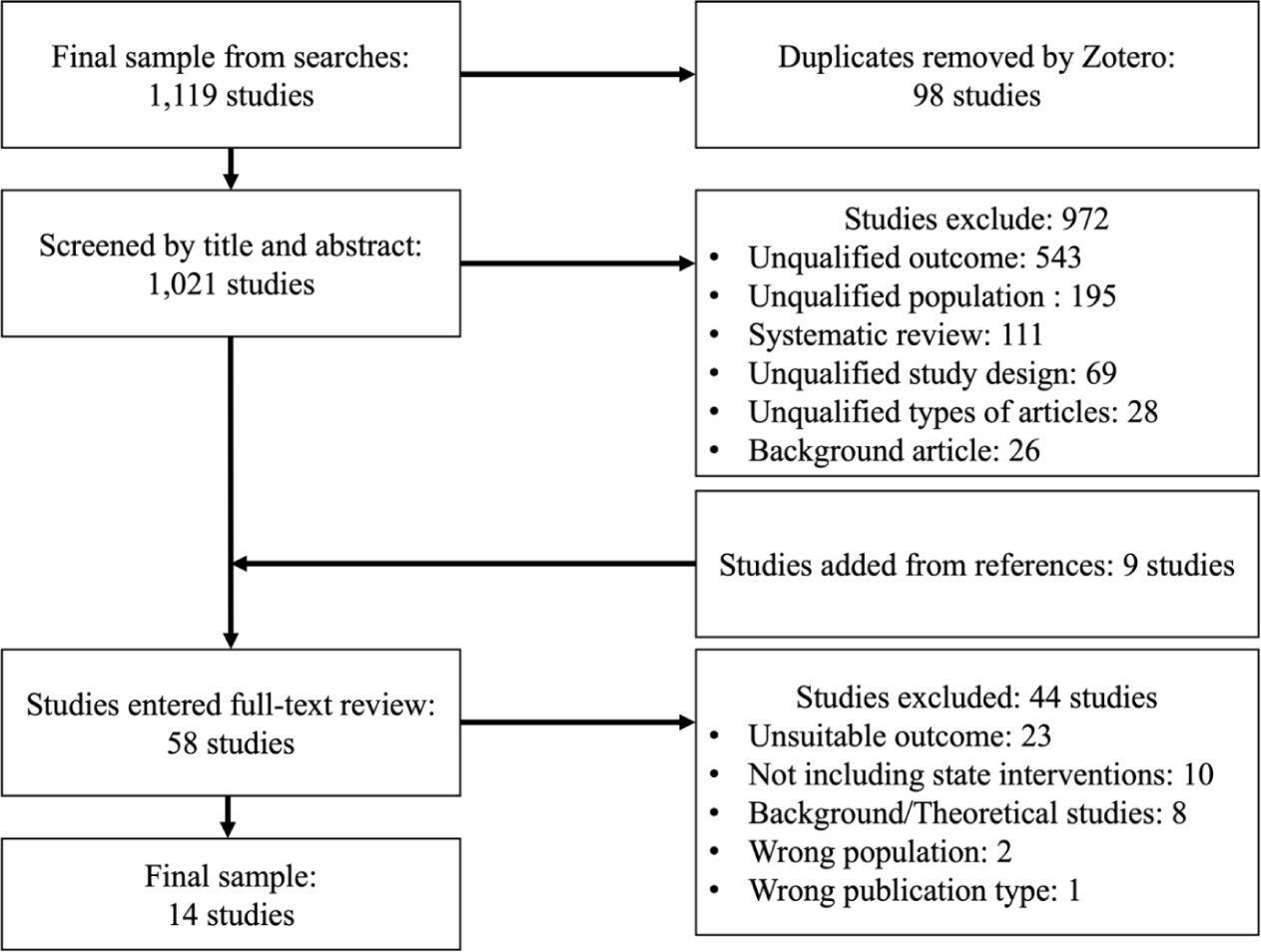
The initial search yielded 1,119 articles uploaded for screening into Zotero as RIS files. Duplicate entries (n=98) were removed. A total of 1,021 studies were screened by two authors using Rayyan, and nine hundred sixty-eight studies were excluded. After screening by title and abstract, the first author added nine studies through reference lists in initially selected articles. A total of fifty-eight studies were entered for full-text review.
Forty-four studies were excluded for the following reasons: Unsuitable outcome (e.g., food insecurity, health outcome, educational achievement, and job stability) for this review (n=23), not including state interventions (n=10), background articles/theoretical studies (n=8), wrong population (n=2), and wrong publication type (n=1).
Eventually, fourteen studies were selected, and forty-six units of analysis for the systematic review. Fig. 1 outlines the study selection process.
The highest number of studies in this systematic review was published in 2010 (21.4%), and the predominant research region among the included studies was the USA (42.9%). In terms of the dataset, the current population survey (CPS) & annual social and economic supplement (ASEC) were used in most studies (28.6%), followed by three datasets each in EUROMODE (14.3%), EU-SILC (14.3%), and LIS (14.3%). Studies reported various state interventions, and this review considered twenty-four state interventions. The reviewed studies examined a diverse array of state interventions, resulting in the consideration of a total of twenty-four distinct interventions within this review. These interventions were subsequently grouped into four overarching categories: (1) tax credits, (2) social insurance (including social security), (3) social welfare programs, and (4) law/regulation. The analysis revealed that social welfare programs were the focal point in most studies (44.4%), followed by investigations into social insurance/security (22.2%). Table 1 shows the characteristics of all fourteen studies in the current systematic review.
Table 2 provides the citation for each of the 14 studies and summarizes the topic area. From the 14 studies included in the systematic review, the current review selected a total of forty analyses. The ten studies conducted regression analysis, including the probit model, to identify a probability of being in-work poverty or being eligible for a certain state intervention, or exit from in-work poverty. The outcomes were estimated as an odds ratio (probability). The three studies carried out simulation and descriptive analysis to examine poverty impact (poverty rate) and poverty reduction effectiveness (poverty gap). Thus, the outcomes were estimated as a percentage (%) for poverty impact and number for poverty reduction effectiveness.
| Author(s) | Data | Intervention | Statistics methods | Outcomes |
|---|---|---|---|---|
| Brady et al. (2010) | LIS | Labor union and social security | Hierarchical generalized linear regression (HGLM) | Odds ratio of the in-work poverty |
| Brady et al. (2013) | LIS | Labor union, TANF/AFDC, and Unemployment Insurance | Two-way fixed effect logit model | Odds ratio of the in-work poverty |
| Cheng (2010) | The SIPP 1996 Panel | TANF/AFDC & social assistance | Multinominal logistic regression | Odds ratio of an exit from working poor |
| Cheung et al. (2019) | Primary data | The comprehensive social security assistance (CSSA)/public rental housing | Logistic regression analysis | The likelihood of income poor |
| Figari (2010) | EUROMOD | In-work benefit (through tax system) / Tax credit | Simulation | Poverty effect of in-work benefits (% points) |
| Hardy et al. (2018) | CPS and ASEC | SNAP, EITC, ACTC, and the Work-Based Safety Net | Regression | The probability of participating in SNAP, EITC/ACTC, and SNAP & EITC/ACTC |
| Hick & Lanau (2019) | HBAI/FRS | |||
| Horemans et al. (2016) | EU-SILC for 2008 and 2012 | Unemployment benefit | Probit model | Probability of being poor with unemployment benefit |
| Jara Tamayo & Popova (2021) | EUROMOD | Tax credits | Multivariate logistic regression | The probability of in-work poverty (probability of being a working poor) |
| Kang (2020) | CPS | Paid maternity leave | Logistic regression and linear probability model | Probability of TANF use with paid maternity leave |
| Marx et al. (2012) | EU-SILC for 2006 | Minimum wage, reduction in employee social security contributions, tax relief, the British working Tax credit | Simulation: Counterfactual | Poverty impact: at-risk-of-poverty rate |
| Neumark et al. (2012) | CPS and ASEC | Living wage | Regression | Estimated effects of living wages on probability that family is poor |
| Poy (2023) | EPH | Pensions and cash transfer | Multinominal logistic regressions | Relative-risk ratios (RRR) |
| Wagle (2011) | CPS | The cash and near-cash transfers used to derive the after-transfer income include such means-tested public assistance as federal EITC, food stamps, school lunch, and housing subsidies/Cash transfer | Logit model | The odds of poverty for working family |
LIS, Luxembourg income study; TANF, temporary assistance for needy family; AFDC, aid to families with dependent children; CPS, current population survey; ASEC, annual social and economic supplement; SNAP, supplemental nutrition assistance program; EITC, earned income tax credits; ACTC, additional child tax credit.
The 14 definitions from the 14 studies were reviewed. As mentioned in the previous section, all selected studies have their conceptualization and operationalization for in-work poverty. The studies selected for this systematic review exhibited a diversity of terms employed to denote in-work poverty, with ‘in-work poverty’ utilized in the majority (five studies), followed by ‘working poverty’ (three studies) and ‘working poor’ (two studies). The study region notably influenced the operationalization of the poverty threshold for in-work poverty. The studies conducted in the USA (Cheng, 2010; Hardy et al., 2018; Kang, 2020; Neumark et al., 2012; Wagle, 2011) generally employed the federal poverty line for operationalizing in-work poverty thresholds. In contrast, European and Asian researchers utilized median disposable household income for this purpose. Notably, only one USA-based study (Brady et al., 2013) adopted median household income.
Work operationalization is more varied than poverty operationalization. However, several studies regarding the low-income (Hardy et al., 2018; Kang, 2020; Neumark et al., 2012) did not operationalize working hours. In-work poverty affects various population groups differently. For example, the experiences of full-time workers, part-time workers, temporary workers, and self-employed individuals can vary significantly in income, job security, and access to state interventions (benefits). Researchers may define work differently to capture the nuances of poverty among these different groups. In the findings, the work operationalization ranged from at least one hour in paid employment in the week (Hick & Lanau, 2019; Poy, 2023) to working thirty-five hours per week or greater per week for at least fifty weeks (Wagle, 2011). According to Brady et al. (2013), work was operationalized as work experiences (i.e., full-time and part-time). Many studies (Brady et al., 2010; Figari, 2010; Horemans et al., 2016) operationalized work as involving thirty hours per week, irrespective of variances in family structure or work experience. Table 3 shows the 14 definitions of in-work poverty and low-income in the 14 studies.
| Author(s) | Terms | Work definition | Poverty threshold | Target population | Study region |
|---|---|---|---|---|---|
| Brady et al. (2010) | Working poverty | At least one household member is employed (30 h/wk). | Less than 50% of the median disposable household income. | In-work poverty | World (18 countries) |
| Brady et al. (2013) | Working poverty | At least one employed member: Employment defined full-time work and included part-time workers with the non-employed. | Less than 50% of the national median household income. | In-work poverty | USA |
| Cheng (2010) | Working poor | No work definition. | In-work category indicated former recipients who reported personal earnings no TANF payment, and poverty status (defined as the federal poverty threshold, in light of family earnings and total size, and the number of dependent children). | In-work poverty | USA |
| Cheung et al. (2019) | Working poor | Have been working at least 6 mon in the prior year. | Half (50%) of the median household income. | In-work poverty | Hong Kong |
| Figari (2010) | Poverty | 16 h/wk (at one person in the family with children) or 30 h/wk with no children. | Below 40% and 60% of median equivalent income. | In-work poverty | Europe (Greece, Italy, Portugal, and Spain) |
| Hardy et al. (2018) | Low-income families | No work definition. | Having family income-to-need below 200% of the federal poverty line in each of the two years. | Low-income | USA |
| Hick & Lanau (2019) | In-work poverty | At least one working-age adult in the household has spent at least one hour in paid employment in the week preceding the survey (i.e., International Labour Organization (ILO) definition of employment. | A relative income threshold set at 60% of median equivalized income, after housing costs. | In-work poverty | UK |
| Horemans et al. (2016) | In-work poverty | Part-time job: Working less than 30 h. | Below 60% of the national median disposable income. | In-work poverty | Europe (EU 25 countries) |
| Jara Tamayo & Popova (2021) | In-work poverty | At least 7 mon/year. | 60% of the national median equivalized disposable income. | In-work poverty | Europe (EU 27 countries and UK) |
| Kang (2020) | Low-income families | No work definition. | Household income is under 150% of the federal poverty level. | Low-income | USA |
| Marx et al. (2012) | In-work poverty | In work for at least one month during the reference year. | A total disposable household income below commonly used 60% of media equivalent income threshold. | In-work poverty | Europe (Belgium) |
| Neumark et al. (2012) | Low-wage worker & family | No work definition. | Below the federal government’s threshold for poverty. | Low-income | USA |
| Poy (2023) | In-work poverty | At least 1 h during the week before the survey carried out. | The households’ equivalized income with a certain threshold (poverty line). | In-work poverty | Argentina |
| Wagle (2011) | Working poverty | Working 35 h or greater per week for at least 50 wk. | Adjusted 200% of official poverty line (USA). | In-work poverty | USA |
Out of the fourteen studies, three studies focused on the three types of state interventions (i.e., tax credits, wage subsidy, and minimum wage), and nineteen units of analysis were reviewed to identify in-work poverty reduction using the in-work poverty rate and the in-work poverty gap. Moreover, four types of tax credits were reviewed: family-based in-work benefits, the work bonus (WB), the individual tax credit for low activity income (ITC), and the UK WTC. The poverty impact was calculated based on before and after the in-work poverty rate of state interventions. The most effective poverty impact was tax credits (–0.81 percent), and the poverty impact ranged from –0.09 percent to –1.48 percent. The wage subsidy ranged from –0.64 percent to –1.03 percent, and the average poverty impact was –0.79 percent. The poverty impact of minimum wage was the lowest (–0.15 percent) (Marx et al., 2012). The poverty (gap) reduction effectiveness of tax credits depending on the family structure is that WTC and CTC for single parents is the highest poverty reduction effectiveness (0.75), and WTC and CTC for couples with one child is the lowest poverty reduction effectiveness (0.07). Table 4 provides the nineteen units of analysis with poverty impact and poverty reduction effectiveness.
| Intervention 1 | Intervention 2 | Poverty impact (%) | Author(s) |
|---|---|---|---|
| Tax credits | Family-based in-work benefit in Greece | –1.35 | Figari (2010) 1) |
| Family-based in-work benefit in Italy | –1.48 | ||
| Family-based in-work benefit in Portugal | –1.09 | ||
| Family-based in-work benefit in Spain | –0.30 | ||
| The work bonus (WB) | –0.46 | Marx et al. (2012) 1) | |
| The individual tax credit for low activity income (ITC) | –0.09 | ||
| The UK working Tax credit (WTC) | –0.93 | ||
| Average of poverty impact (poverty rate) for Tax credits | –0.81 | ||
| WTC & CTC for single parent | 0.75 | Hick & Lanau (2019) 2) | |
| WTC & CTC for couple with children | 0.51 | ||
| WTC & CTC for other family with children | 0.36 | ||
| WTC & CTC for number of children (none) | 0.07 | ||
| WTC & CTC for number of children (one) | 0.48 | ||
| WTC & CTC for number of children (two) | 0.54 | ||
| WTC & CTC for number of children (three or more) | 0.68 | ||
| Average of poverty (gap) reduction effectiveness for Tax credits | 0.48 | ||
| Wage subsidy | Individual in-work benefit in Greece | –0.71 | Figari (2010) 1) |
| Individual in-work benefit in Italy | –0.78 | ||
| Individual in-work benefit in Portugal | –0.64 | ||
| Individual in-work benefit in Spain | –1.03 | ||
| Average of poverty impact (poverty rate) for wage subsidy | –0.79 | ||
| Minimum wage | Minimum wage | –0.15 | Marx et al. (2012) 1) |
This review encompassed the 11 studies detailing the impact of five types of state interventions— tax credits, social insurance, social welfare programs, law/regulation, and combined interventions— on in-work poverty. Across these studies, twenty-seven units of analysis revealed various negative, positive, and bidirectional effects on the odds of being in-work poverty. Here, a negative effect signifies a reduction in the odds of experiencing in-work poverty, while a positive effect indicates an increase.
The tax credits revealed mixed effects. Tax benefits were found to have a negative effect, reducing the odds of being in-work poverty, as evidenced by Jara Tamayo & Popova (2021). Conversely, the EITC was associated with a positive effect, increasing the odds of in-work poverty, as reported by Hardy et al. (2018).
In the realm of social insurance, several interventions demonstrated a negative effect, thereby decreasing the odds of in-work poverty. These included the welfare state index (Brady et al., 2010), pensions for all workers and part-time workers (Horemans et al., 2016), and pensions specifically for persistent in-work poverty (Poy, 2023). On the other hand, unemployment benefits were associated with a positive effect, increasing the odds of in-work poverty (Horemans et al., 2016).
Social welfare programs predominantly showed a negative effect on in-work poverty. The TANF program (Brady et al., 2013; Hardy et al., 2018), restrictive TANF policies (Cheng, 2010), the SNAP under certain conditions (Hardy et al., 2018), cash transfers (Wagle, 2011), public housing (Cheng, 2010; Cheung et al., 2019), and paid maternity leave (Kang, 2020) all contributed to a decrease in the odds of being in-work poverty. However, SNAP participation at a poverty threshold of 130% of the federal poverty line (Hardy et al., 2018), conditional cash transfers for transient and persistent in-work poverty (Poy, 2023), and public housing recipients compared to non-recipients (Cheung et al., 2019) were associated with an increased risk of in-work poverty.
Laws and regulations, such as labor union involvement (Brady et al., 2010, 2013), wage and salary rates (Wagle, 2011), and minimum wage (Neumark et al., 2012), were found to have a negative effect, reducing the odds of in-work poverty. Lastly, combined interventions, specifically the interaction between pensions and conditional cash transfers, were reported to have a positive effect, increasing the odds of in-work poverty for both transient and persistent cases (Poy, 2023).
The results highlight the complex and multifaceted nature of state interventions on in-work poverty. While tax benefits, pensions, and certain social welfare programs (e.g., TANF and SNAP under specific conditions) were effective in reducing in-work poverty, other interventions, including the EITC, unemployment benefits, certain conditional cash transfers, and public housing, were associated with an increased risk.
Table 5 shows the 27 units of analysis regarding the effect of state interventions on in-work poverty.
| Intervention 1 | Intervention 2 | Effect direction | Study |
|---|---|---|---|
| Tax credits | Tax benefits | −/Negative | Jara Tamayo & Popova (2021) |
| EITC | +/Positive1) | Hardy et al. (2018) | |
| Social insurance (including social security) | Welfare state index | −/Negative | Brady et al. (2010) |
| Unemployment benefits (for all workers) | +/Positive | Horemans et al. (2016) | |
| Unemployment benefits (for part-time workers) | +/Positive | Horemans et al. (2016) | |
| Benefits (pension and sickness) for all workers | −/Negative | Horemans et al. (2016) | |
| Benefits (pension and sickness) for part-time workers | −/Negative | Horemans et al. (2016) | |
| Pensions for transient in-work poverty2) | −/Negative3) | Poy (2023) | |
| Pensions for persistent in-work poverty4) | −/Negative | Poy (2023) | |
| Social welfare program | TANF (1 month participation) | +/Positive | Cheng (2010) 5) |
| TANF (restrictive TANF policies) | −/Negative | Cheng (2010) | |
| TANF | −/Negative | Brady et al. (2013) | |
| TANF | −/Negative6) | Hardy et al. (2018) | |
| SNAP | +/Positive7) | Hardy et al. (2018) | |
| SNAP | −/Negative8) | Hardy et al. (2018) | |
| Public housing | +/Positive | Cheng (2010) | |
| Public housing | +/Positive9) | Cheung et al. (2019) | |
| Cash transfer | −/Negative | Wagle (2011) | |
| Cash transfer (conditional) for transient in-work poverty | +/Positive | Poy (2023) | |
| Cash transfer (conditional) for persistent in-work poverty | +/Positive | Poy (2023) | |
| Paid maternity leave | −/Negative | Kang (2020) | |
| Law/regulation | Labor union | −/Negative | Brady et al. (2010) |
| Labor union | −/Negative | Brady et al. (2013) | |
| Rates of wages and salary | −/Negative | Wagle (2011) | |
| Minimum wage | −/Negative | Neumark et al. (2012) | |
| Combined | Pensions×Cash transfer (conditional) for transient in-work poverty | +/Positive | Poy (2023) |
| Pensions×Cash transfer (conditional) for persistent in-work poverty | +/Positive | Poy (2023) |
A relative risk ratio (RRR) higher than 1 means that a covariate is positively related to a certain type of in-work poverty, whereas an RRR lower than 1 has the opposite interpretation.
Cheng (2010) used the odds of an exit from in-work poverty by becoming working nonpoor or TANF recipient.
Discussion
The diversity in defining in-work poverty, as highlighted in a review by Crettaz (2013), underscores the significant heterogeneity across studies. Notably, each study provided its own definition of in-work poverty, with the most remarkable diversity observed in the operational aspects. Broadly, most studies concurred on the conceptualization of in-work poverty as employed individuals or households living below the poverty threshold. However, disparities arose concerning the operational criteria, particularly in the differentiation between the USA and Europe. Within the USA, a historical emphasis on targeted, means-tested social assistance programs has shaped the approach to combating poverty, often linking eligibility to the federal poverty line (Aspalter, 2017; Schröder, 2019; Van Der Waal et al., 2013). Consequently, the USA researchers and policymakers have predominantly addressed poverty-related concerns through this metric. In contrast, numerous European countries have adopted a more comprehensive social welfare strategy, characterized by universal or quasi-universal benefits to mitigate income inequality, and foster social cohesion (Aspalter, 2017; Schröder, 2019; Van Der Waal et al., 2013). This distinction has led European researchers to prioritize measures like median disposable income when evaluating working poverty, as it better aligns with broader policy objectives focused on income redistribution and disparity reduction. The differences in institutional frameworks between the USA and Europe have consequently led to divergent approaches in operationalizing in-work poverty.
However, achieving alignment between USA and European definitions is crucial for several practical reasons. Firstly, it facilitates meaningful comparative analysis and policy evaluation in an increasingly interconnected world where global challenges such as income inequality transcend national borders. Harmonizing definitions enables accurate assessments of intervention effectiveness and policy impact, aiding policymakers and researchers in understanding nuances and identifying best practices across different contexts.
Secondly, alignment fosters collaboration and knowledge exchange between regions, leveraging shared goals of economic security and social inclusion. By aligning definitions, both regions can learn from each other’s experiences, informing more effective strategies for addressing in-work poverty. This collaborative approach encourages mutual learning and innovation, leading to robust policy responses informed by diverse perspectives.
Furthermore, alignment enhances accountability and transparency in policymaking by enabling stakeholders to track progress and hold governments accountable for commitments to reduce in-work poverty. Clear criteria for measuring and monitoring poverty build trust among citizens, enhancing the legitimacy of government interventions and contributing to effective governance and social cohesion. Lastly, alignment promotes social justice and human rights by ensuring access to basic necessities and opportunities for socio-economic advancement. By adopting common definitions, policymakers can work towards a more equitable and inclusive society, where everyone has the chance to thrive and fulfill their potential.
In conclusion, alignment of definitions between the USA and Europe is not only a theoretical exercise but a practical imperative with far-reaching implications. By fostering comparative analysis, collaboration, accountability, and social justice, alignment lays the foundation for more effective and equitable responses to in-work poverty, benefiting individuals, communities, and societies as a whole. To achieve this, collaborative efforts are essential, involving multidisciplinary forums, international surveys, and consultations to establish internationally recognized standards for defining in-work poverty. Through global dialogue and cooperation, these standards can bridge gaps and enhance the comparability and effectiveness of research and policy interventions worldwide.
The systematic review delves into the intricate landscape of state interventions aimed at alleviating in-work poverty, shedding light on both the effectiveness and complexities of various policy measures. The findings underscore the multifaceted nature of addressing in-work poverty, revealing a spectrum of impacts across different interventions.
Tax credits emerge as a prominent strategy, exhibiting significant effectiveness in reducing in-work poverty. The analysis reveals a nuanced understanding of tax credit mechanisms, with specific programs such as the UK WTC and CTC demonstrating varying degrees of effectiveness based on family structure. Notably, tax credits present a notable reduction in poverty rates, showcasing their potential as a key policy tool in tackling in-work poverty.
However, the review also uncovers a mixed picture regarding the impact of tax credits, with certain programs like EITC showing unexpected positive outcomes. This nuanced understanding emphasizes the importance of contextual factors and program design in shaping the effectiveness of tax credit initiatives, highlighting the need for tailored approaches in policy implementation. For example, variations in the effectiveness (reducing in-work poverty rate) of tax credits across different family structures suggest that demographic characteristics play a crucial role in shaping intervention impacts.
Furthermore, the review emphasizes the need for a comprehensive assessment of intervention effectiveness beyond simple outcome measures. While certain interventions may appear to reduce in-work poverty, it is essential to analyze their broader socio-economic implications. For instance, while tax credits may alleviate immediate financial strain for some families, they may not address underlying structural inequalities in the labor market. Therefore, a holistic approach to intervention evaluation that considers both short-term outcomes and long-term socio-economic impacts is necessary for meaningful in-work poverty reduction.
Beyond tax credits, the review elucidates the diverse landscape of state interventions, ranging from social insurance programs to laws and regulations. Social insurance initiatives, including pensions and certain welfare programs, exhibit promising results in reducing the odds of in-work poverty. Conversely, unemployment benefits and certain conditional cash transfers emerge as potential drivers of increased in-work poverty, underscoring the intricate interplay between policy design and outcomes. Moreover, the review underscores the significance of laws and regulations, such as minimum wage policies, in shaping the dynamics of in-work poverty. While certain interventions, like labor union involvement and wage regulations, demonstrate a positive impact on reducing in-work poverty, others, such as the EITC and certain conditional cash transfer schemes, present unforeseen challenges, necessitating a comprehensive reassessment of policy approaches.
Overall, the systematic review provides valuable insights into the effectiveness of state interventions in addressing in-work poverty, offering policymakers a nuanced understanding of the complex interplay between policy measures and outcomes. By elucidating both the successes and challenges inherent in various interventions, the findings contribute to a more informed and evidence-based approach to policymaking, ultimately striving towards a more inclusive and equitable society.
Building on the comparative insights from this study, it becomes clear that understanding the effectiveness of in-work poverty interventions requires attention to underlying contextual factors that vary widely between countries. While tax credits, social insurance, and wage regulations are commonly applied tools, this research reveals that their success is closely tied to distinct economic, institutional, and social structures within each context. Examining these contextual drivers offers a deeper understanding of why certain interventions succeed in some countries but have limited or even counterproductive effects in others.
Welfare state models and institutional structures significantly influence how interventions impact in-work poverty (Lohmann, 2009). For example, in countries with universal welfare frameworks, such as those found in parts of Europe, tax credits are integrated into a broader social safety net that provides stable support for vulnerable workers. In contrast, countries with means-tested or targeted welfare systems may see differing impacts, as targeted benefits may not reach all those in need or could inadvertently increase poverty for certain demographics, as observed with the EITC in the USA This study suggests that interventions’ success rates are higher when they complement the country’s overall welfare approach, indicating the importance of aligning interventions with existing welfare structures.
Labor market characteristics, such as the prevalence of precarious work, wage distribution, and employment benefits, play a vital role in shaping intervention outcomes (Greer, 2016; Yulianti & Fitriansyah, 2024). In economies with a high incidence of low-wage, part-time, or temporary employment, tax credits and minimum wage policies may not achieve substantial reductions in in-work poverty if structural labor market issues are left unaddressed. Conversely, countries with regulated labor markets and stronger worker protections may see more pronounced effects from similar interventions. This study’s comparative analysis highlights that the success of these policies is often intertwined with labor market health, emphasizing the need for policies that not only alleviate immediate poverty but also address underlying economic vulnerabilities.
Cultural factors and demographic characteristics further impact the outcomes of state interventions for in-work poverty (Small et al., 2010; Van Winkle & Struffolino, 2018). For instance, household composition, gender roles, and family support structures can influence how effectively interventions like tax credits and social insurance address poverty risks. In contexts where single-parent households or large families are more prevalent, targeted support like child tax credits or family allowances may be more effective in reducing poverty risk. This study underscores the importance of factoring in these cultural and demographic dimensions when designing and evaluating interventions, as policies that align with societal norms and family structures are more likely to yield positive outcomes.
The comparative analysis in this study highlights how the effectiveness of in-work poverty interventions is deeply shaped by the unique institutional, economic, and social contexts of each country. This insight encourages policymakers to design interventions with a keen awareness of these contextual factors, ensuring that policies are both effective in their implementation and well-suited to the socio-economic conditions of each nation.
This study’s findings provide important contributions to public administration and policy by clarifying how definitions and operational criteria for in-work poverty influence the perceived effectiveness of state interventions. By systematically analyzing varying definitions and their practical impacts, this research underscores the need for a unified framework in public administration. Such a framework would facilitate comparative studies, making it easier to evaluate interventions across different contexts while offering more consistent guidance for policymakers. Theoretical contributions emerge from demonstrating that inconsistent definitions can hinder cross-national analyses and skew policy evaluations, suggesting a re-evaluation of existing frameworks that currently treat poverty in a more generalized or static manner.
The implications of these findings are twofold. First, they call for public administration scholars to develop adaptable models that capture the multifaceted nature of in-work poverty within socio-economically diverse contexts. Recognizing the unique policy challenges associated with working poverty, this research highlights the importance of moving beyond one-size-fits-all approaches toward a flexible, context-sensitive framework that can accommodate different labor markets, welfare models, and demographic needs. Such theoretical advancements could strengthen public administration’s role in tackling nuanced social issues by fostering more precise, evidence-based interventions.
For practitioners, these insights are particularly relevant, as they suggest the need to adopt metrics and definitions that reflect the socio-economic realities specific to each context. By understanding how in-work poverty is conceptualized differently across regions, policymakers can make more informed choices about which interventions to prioritize and how to adapt them to local conditions. Moreover, fostering alignment in definitions across jurisdictions would not only improve policy coherence and accountability but also support international collaboration, allowing for a more unified response to global socio-economic challenges.
This study adds valuable insights to public administration literature by showing how in-work poverty’s definition and conceptualization shape policy outcomes. These findings encourage both scholars and practitioners to explore adaptable frameworks that better address in-work poverty across diverse regions, advancing the field’s capacity to respond to complex social and economic issues effectively.
Due to the notable heterogeneity in definitions observed across the included studies, the conditions necessary for conducting a meaningful meta-analysis were unfortunately not met. The diverse ways in which in-work poverty has been conceptualized and operationalized within the reviewed literature presented a challenge to the synthesis of results through quantitative methods. In the absence of a meta-analysis, this study has predominantly focused on qualitative synthesis and contextual analysis, attempting to provide a qualitative understanding of the range of state interventions and their potential effects on in-work poverty. Moving forward, collaboration within the research community to refine and standardize definitions will be essential for unlocking the full potential of meta-analytic approaches in this area. In conclusion, while the current state of definitional heterogeneity precluded a meta-analysis in this systematic review, it illuminates a pressing need for greater coherence in the conceptualization and measurement of in-work poverty. Resolving this challenge is pivotal for enabling more rigorous and comprehensive analyses that can guide effective policy interventions and contribute to a more unified understanding of this critical issue.
Conclusion
This systematic review set out to achieve a twofold goal: to evaluate the impact of state interventions in mitigating in-work poverty and to delve into the nuances of definitional differences within this domain. Through a rigorous exploration of these dual dimensions, this review has shed light on the intricate interplay between state interventions, definitional frameworks, and the multifaceted nature of in-work poverty. The findings presented offer a comprehensive understanding of the effects of state interventions on in-work poverty, highlighting a spectrum of outcomes that span positive, negative, and bidirectional impacts. It is evident that the success of these interventions is closely intertwined with how in-work poverty is conceptually conceived and operationally measured. The varying demographic characteristics of affected groups further accentuate the complexity of this relationship, emphasizing the need for targeted and context-aware policy strategies. Moreover, this review has illuminated the prevalence of definitional inconsistencies in the literature surrounding in-work poverty. These inconsistencies, arising from diverse conceptualizations and operationalizations, underscore the importance of establishing standardized frameworks for precise and comparable research in this domain. As policymakers and researchers consistently try to address the persistent challenge of in-work poverty, the insights from this study hold substantial implications. Crafting effective interventions demands a nuanced understanding of the diversity within the population and the complex interactions between policy measures and varying demographic contexts. In the pursuit of equitable and impactful interventions, it becomes apparent that a holistic approach is indispensable—one that accounts for the intricate web of definitions, interventions, and demographics. Through such an approach, we can strive toward the alleviation of in-work poverty, fostering inclusive socioeconomic progress and a more equitable future.


