


Introduction
Despite growing environmental policies around the world, global environmental degradation all but continues to worsen implying systemic failures of implementation (Howes et al., 2017). Green governance is the infusion of environmental considerations into public administration and management through holistic accounting, transparency, and multidisciplinary coordination. However, employing a dual role reinforces public administration’s capacity to advance or obfuscate it due to bureaucratic inertia or policy decoupling (Kudłak, 2025). The institutional weakness creates the symptom of greenwashing, that is, a change in public profile replacing changes in practice with symbolic ones, which widens the gap between goals and results (Kudłak, 2025; Pata et al., 2024).
Much research is still descriptive, only describing trends and ignoring governance failures that have led to implementation gaps (Howes et al., 2017). The second major gap called “institutional quality threshold”, finds that the performance of green finance in weak administrative contexts is weaker, and also there is no information on service design frameworks for public administration (Megawati et al., 2024). Geographical differences impede theoretical development as well, having local adaptation to global environmental norms barely investigated (Lyeonov et al., 2024). This study addresses these gaps.
Green verification, as a new approach of green governance, can be implemented through a combination of preventive measures and independence to restrain opportunistic disclosures that embellish or amplify green achievements (Erna & Mutaqin, 2023), by changing the paradigm from responsive control to more adoptive means like Green procurement and refurbishments (Pata et al., 2024). These involve systematizing administration to institutionalize an environment for vital decision-making methods, and a hybrid governance model that brings together top-down and participatory strategies for contextual implementation (Amblard & Carter, 2022).
The key research questions this review intends to address are the aforementioned gaps in the literature and the growing topicality of green governance in public administration:
-
What are the publication trends, leading authors and important journals in green governance research since its emergence through a bibliometric analysis of relevant literature?
-
Is there a geographic concentration or disparities in green governance research and how can bibliometric analysis contribute to more inclusive and globally balanced scholarship?
-
What are the hot research issues and emerging trends of green governance in public administration, based on co-occurrence and citation analysis of articles in the field from Scopus?
-
How does public administration influence green governance implementation with duality?
This study presents a bibliometric methodology to describe green governance research trends, intellectual structure, themes, and evolution. On the other hand, it builds on a systematic literature review following preferred reporting items for systematic reviews and meta-analyses (PRISMA) guidelines. It also relates geographical disparities to promote more comprehensive scholarship and examines core public organisation topics, policy, technology, and deployment in specific settings. The paper thus goes beyond this mapping to demonstrate how institutional constraints (for example, bureaucratic inertia, lobbying, and capacity limits) push symbolic compliance & green washing rather than implementation, which exposes the contradictory nature of public administration as both an enabler of innovation and a constraint because of rigidified rules with low political salience.
Methodology
This research used a systematic review and bibliometric analysis to explore green governance in public administration using environmental policy implementation (Khodaparasti & Garabollagh, 2023). This approach is used in order to synthesize the existing literature on important topics, research gaps and early-stage trends (Li et al., 2018), while applying strict inclusion and exclusion criteria to ensure that identified studies meet relevance and quality indicators (Ebidor & Ikhide, 2024). Building on publication patterns, citation networks and keyword co-occurrence, the bibliometric analysis reveals the intellectual structure and evolution of green governance research (Li et al., 2023; Pătărlăgeanu et al., 2020).
Co-occurrence was determined for keywords and country-level bibliographic coupling, using VOSviewer on a dataset of 185 English-language articles from Scopus, filtered based on keyword mapping and Figs. This method enabled the discovery of structural and thematic patterns within green governance research, identifying major intellectual domains and publication trends. Association strength normalization gave node proximity, while clustering (resolution of 1.0) provided fair thematic clusters for our network construction. The thesaurus file was applied to expand keywords by clustering synonyms and generalising key concepts such as administrative capacity or the quality of institutions.
This filtration and screening approach was conducted according to PRISMA guidelines, beginning with the searching through the Scopus database on 31 May 2025 (Fig. 1). The initial search with the keywords: “green AND/OR governance” in backward order of “Article Title, Abstract, Keyword” found 8.572 documents based on which the specific keyword was reduced to 244 documents. The inclusion criteria were original peer-reviewed journal articles and documents written in English. Non journal articles (book chapters, conference papers, reviews, books, editorials), and non-English publications were excluded by using the previously mentioned exclusion criteria. Of the 244 documents, 195 were articles, including 185 in English, 8 in Chinese, and 1 in Portuguese. As a result, 185 unique English articles were kept for the bibliometric analysis after deduplication. Qualitative assessment of relevance to implementation applied at the full text level by an individual reviewer to ensure rigorous and consistent application across extracted publications (Table 1).
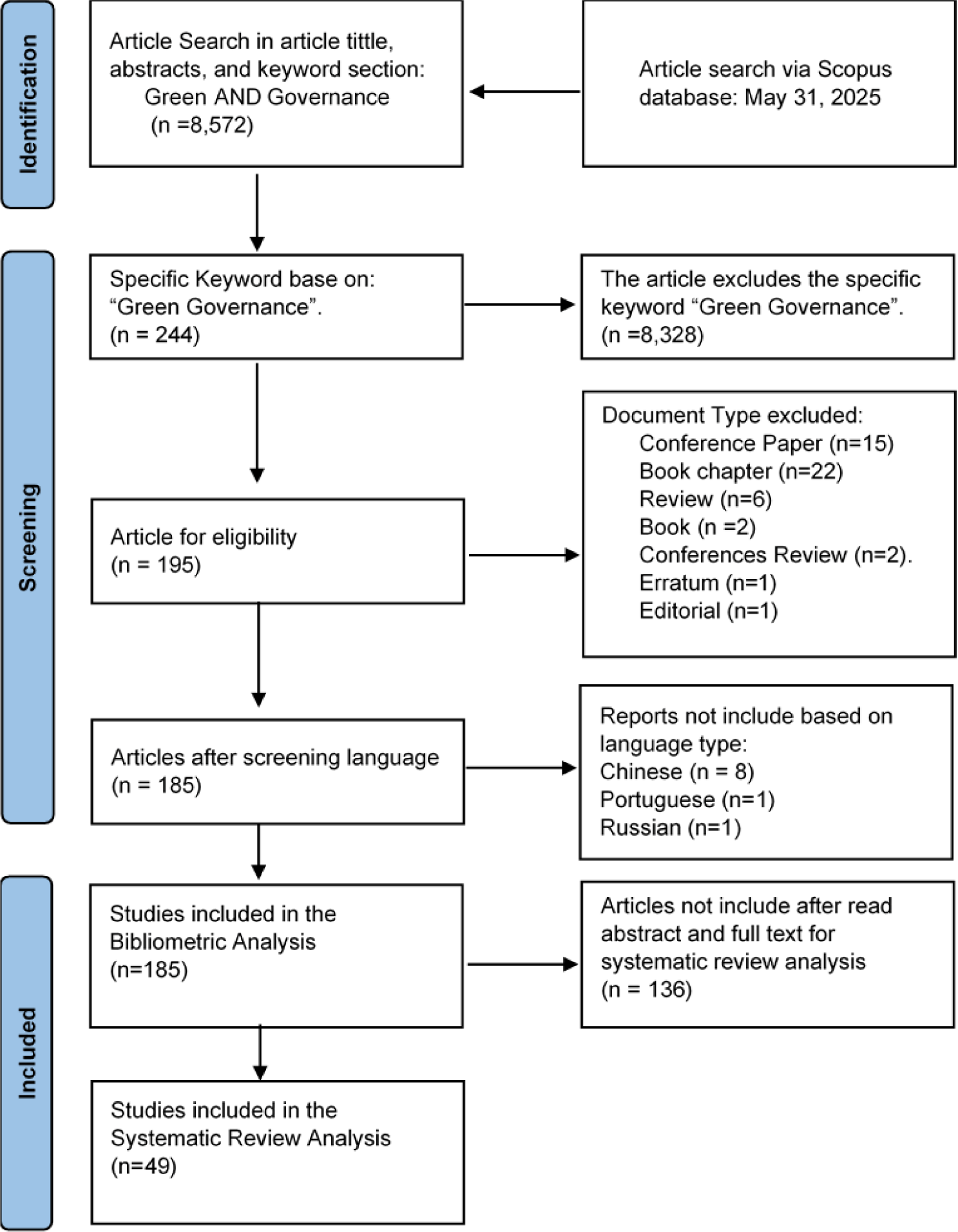
The screening process was conducted through title, abstract and full-text examination, ultimately producing 49 articles that met the inclusion criteria for the systematic review. These were identified as the implementation challenges and administrative mechanisms of green governance. The analysis goes beyond descriptive mapping to also examine thematic clusters of systemic failures, such as greenwashing and accountability gaps in governance, particularly regarding operational demands for environmental policy implementation in public administration.
Results and Discussion
Data on publication year (1993 to 2025) indicates a noticeable trend in green governance research. Bibliometric data show that the first publication was in 1993, and a sharp increase has occurred since 2019 in publicationson green governance. The publications have increased with 2024 and 2023 producing most of the output indicating this is a growing area of research. This trend aligns with increasing global awareness of climate change and green public administration, and little published work prior to 2018 reflects this early stage in the development of the field (Fig. 2).
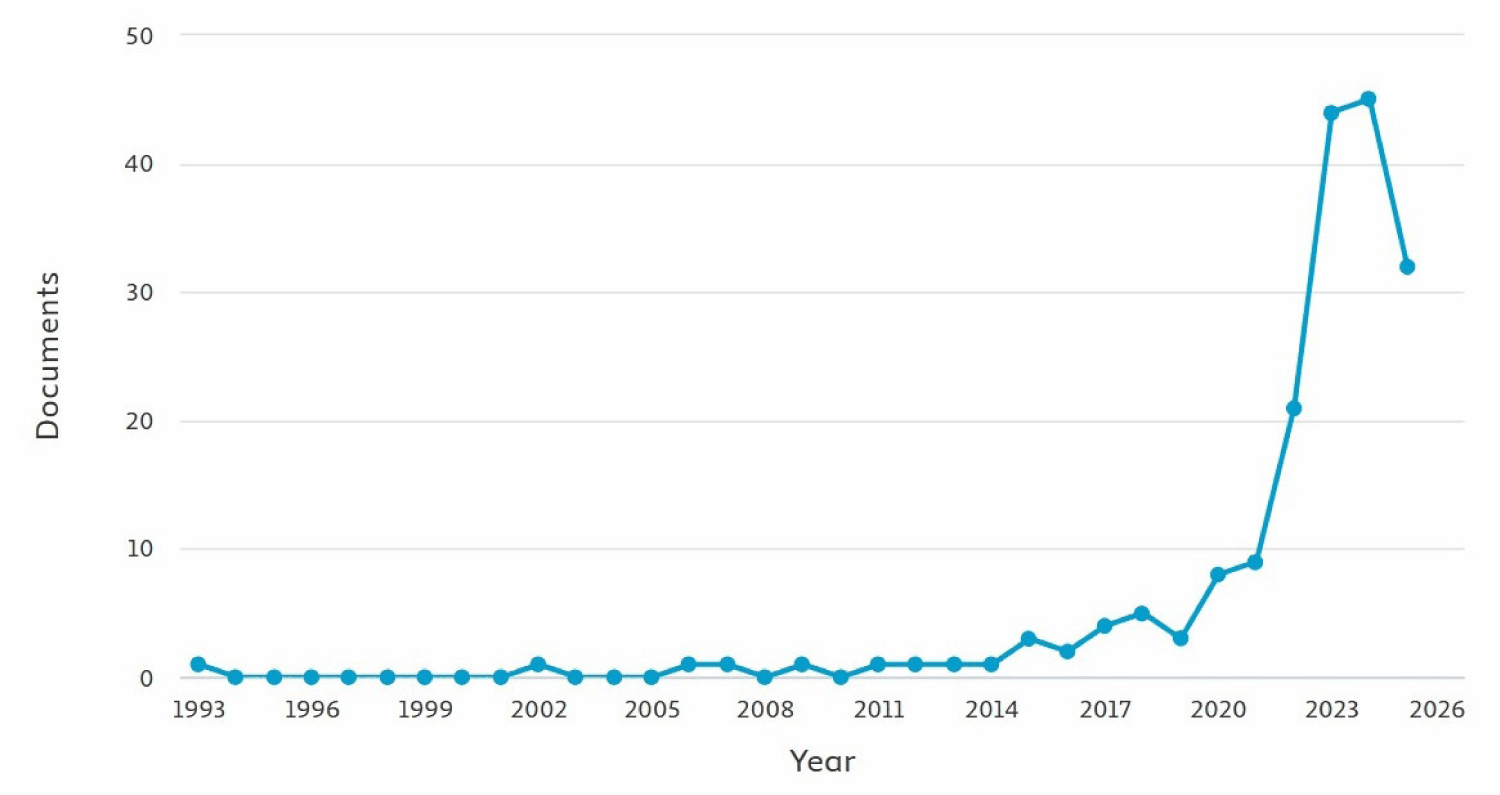
This new notable increase in publications can be ascribed to the rise of awareness on environmental problems, the introduction of new environmental policies and increased recognition of green governance for accomplishing national sustainable development objectives. This has also been bolstered by the additional richness of disciplines undertaking interdisciplinary research that connects environmental science to public policy and management. Thus, the emergent literature reflects the pace of change in a field increasingly centred both on strategic development of environmental policy and on sustainable economic growth.
Bibliometric analysis is essential in this regard as it allows to generate information about the key authors, journals and research themes that line green governance discourse. It directs researchers and practitioners towards green governance development in public administration from these insights. What is most notably represented are Environmental Sciences, indicating a clear focus on a range of environmental challenges and associated policy processes, also suggesting that there is an increasing preoccupation with sustainability around the world. Relevant research in this area usually deals with environmental problems and their effects on the ecosystem, human health, as well as ways to create new ticketing solutions.
The high prevalence of Social Sciences captures the need for a research agenda for green governance to consider social, political or policy dimensions such as public attitudes towards climate change issues, governance roles in shaping sustainable behavior and the effectiveness of policies for promoting this shift towards sustainability. The trend in the literature is also moving towards an increasing interdisciplinary integration of environmental science with public policy and management where Social Sciences hold a centre stage, as reflected in the highest number of publications. In parallel, Economics, Econometrics and Finance indicate a rising interest in the economic effects of green policies and sustainable finance systems under construction.
These include the role of green finance for sustainable development, regulatory costs and benefits, green financial instruments and the economic valuation of natural resources. This goal can only be achieved by prioritizing renewable transitions in energy, improving energy efficiency and governance systems. At the same time, Business, Management and Accounting demonstrates corporate sustainability and of the green supply chain theories as well as integrating environmental consideration into business practice with environment·social·governance (ESG) initiatives globally.
Computer Science and Engineering further identifies the importance of technology in environmental simulation, monitoring, modelling and management. It also includes the adpoption of smart technologies and the use of data-driven decision-making to improve environmental performance. The advancements similarly map on or bibliometric portrayal of relationships in green technology studies that conglomerate the multi-disciplinary front of green governance which further fortifies multiple fields. Bibliometric analysis also reflects the evolution, trends and essential topics of the field.
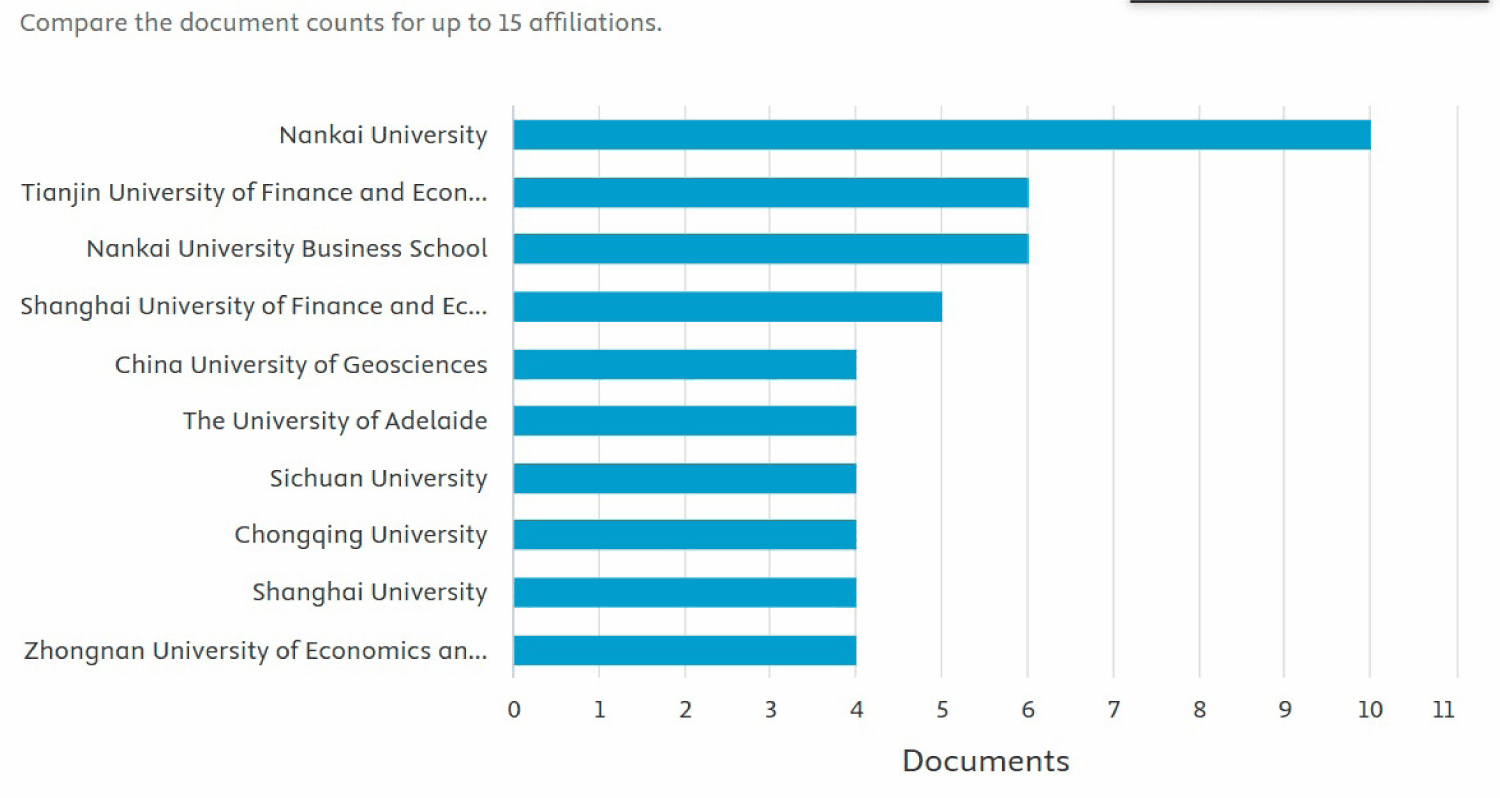
The institutional distribution shows that with a few universities such as Nankai University and Tianjin University of Finance and Economics producing the most papers, places where relevant research gathers may become strongholds of green governance. It would be logical to have this concentration because of focused research programs, funding or top researchers. Moreover, the emergence of Chinese institutions as leading affiliations indicates increased national commitment to ecological sustainability and supports green governance research.
That the University of Adelaide is included suggests green governance research is not only China-focused, but it also indicates efforts within academia more broadly to respond to how governance frameworks can help people grapple with environmental issues. The number of publications from a variety of institutions including universities of finance and economics, business schools, and geoscience institutions shows the interdisciplinary nature of the field. Overall, the affiliation data suggest that academic institutions have become an international hub for green governance studies (Fig. 3). The increase in publications is a pool of material that can underpin policy reforms and move into practice, as outlined within this paper. The future studies may provide additional research on the specific expertise and focus areas of leading institutions to better understand their contributions to the development of green governance.
According to the research results of bibliometric analysis, such studies have been successful in researching green governance. However, earlier works on environmental management approaches, environmental management systems and sustainable development concept for business did not explicitly mention a unique term of green governance or any related measures. This illustrates a sort of slow evolution in the theorizing of green governance in the academic literature (Fig. 4).
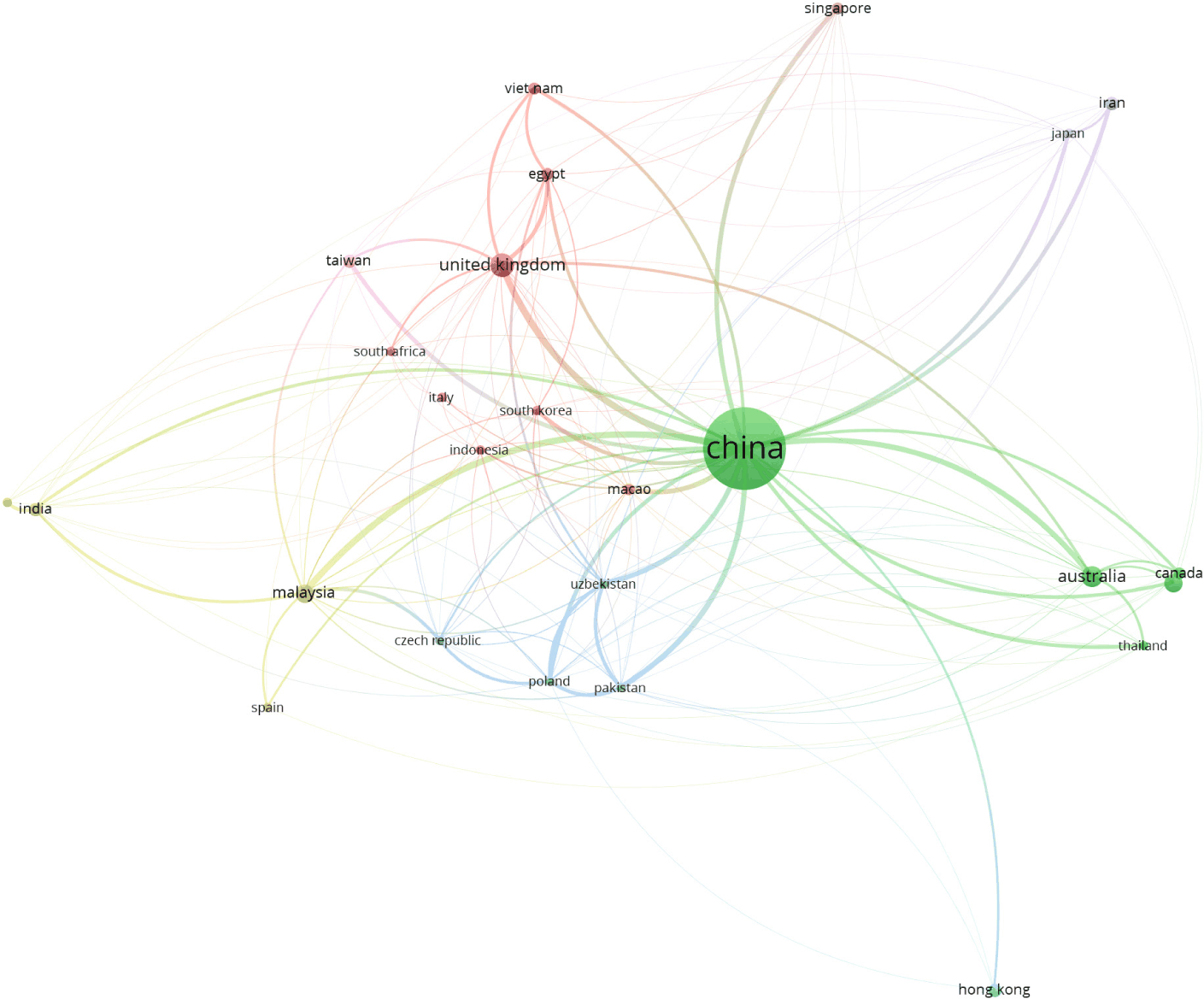
For the Bibliographic Coupling Analysis by Country, the VOSviewer software was set to carry out a “bibliographic coupling” analysis using the “full counting” method, with countries as the unit of analysis. In the first step, when a threshold of 5 documents per country was applied, VOSviewer reported that only 5 countries had the minimum threshold. In order to provide a more thorough analysis in addition to an expanded range of contributing countries, this threshold was subsequently lowered to 2 documents per country, which led to the identification of 26 countries. The present study identifies the top 10 contributing countries with their bibliometric contributions from the expanded dataset (Table 2).
China has entered green governance research later than some Western countries, but the publication output and citation counts make China a leader in this field. That prominence suggests a number one national interest, but this may also simply reflect database coverage and global publication trends. China can capitalize on its investments in these large global institutions as leaders for climate action via robust policies, funding and with structural changes to a more sustainable economic pathway.
It has been a largely government-driven commitment since 2010, notably with policies such as the Low-Carbon City Pilot Policy introduced a few years prior to that aimed at reducing emissions and strengthening green governance. China, too, has established goals of peaking carbon emissions by 2030 and reaching carbon neutrality in 2060, prompting a shift from reactive “end-of-pipe” regulatory measures to proactive source management. The result is massive academic research spurred by these policies, whereas industrialisation and ecological destruction play out over the long term, making it imperative to redirect the country’s development model.
Green governance in China has evolved as the core mechanism for sustainable development with low carbon synchronized and integrated across sectors. Research on governance frameworks has been pushed by the necessity to deal with environmental harm, not least from low-carbon city pilot insurance policies. While much of the early research in this field came from predominantly Western contexts, driven by rising concerns with domestic issues, over time it has become possible to identify scholars increasingly specializing in particular national contexts as is the case for China. It also lays the foundation for its national green governance in academic ecology by means of intensive investment, continuing commitment, and a national-level agenda.
UK commitment is reflected in a strong footprint, supported by a legacy of policies such as the Clean Air Act of 1956. Australia, with its compliance-oriented environmental regulations, attracts high citation impact while the United States, though lower in overall publication output than China relative to science still finds a way of remaining dominant due to major citations. Taiwan, Malaysia, India, Iran and Egypt are some of the countries which also exemplify studies on this matter, especially Taiwan and Malaysia provide pragmatic implementations for green supply chain management. In short, this distribution mirrors how green governance is being mined globally to address growing global environmental issues.
Although Belt and Road Initiative countries have gained a lot of experience in developing effective green governance systems, many others are still struggling with this, especially those located in Southeast Asia, South Asia, West Asia and North Africa. They also stem from strong government leadership and require strong business, civil society, and public engagement. Green governance research has grown as a specialised field in its own right, led predominantly by China and supported by strong policy environments in the UK, Australia and the US, amongst others. However, constructing solid and efficient governance frameworks appears to challenges for many low-income countries.
Green governance has become a major theme in combating sustainable development as it aims to adjust economic growth with environmental sustainability, whilst reshaping the paradigm of human-nature interactions (Tang & Du, 2024). This refers to the ability of a nation, company, or society work together to gather ideas from diverse stakeholders, including governments, businesses, social groups, and the public. This implies the integration of environmental aspects into the decision-making process through cooperation (Li et al., 2018). This concept has gained increasing attention over the last few decades in the context of global sustainable development (Dong et al., 2019; Lin et al., 2019). In order to trace its evolution, a keyword co-occurrence analysis was performed to characterize key themes and the intellectual structures of research on green governance (Fig. 5).
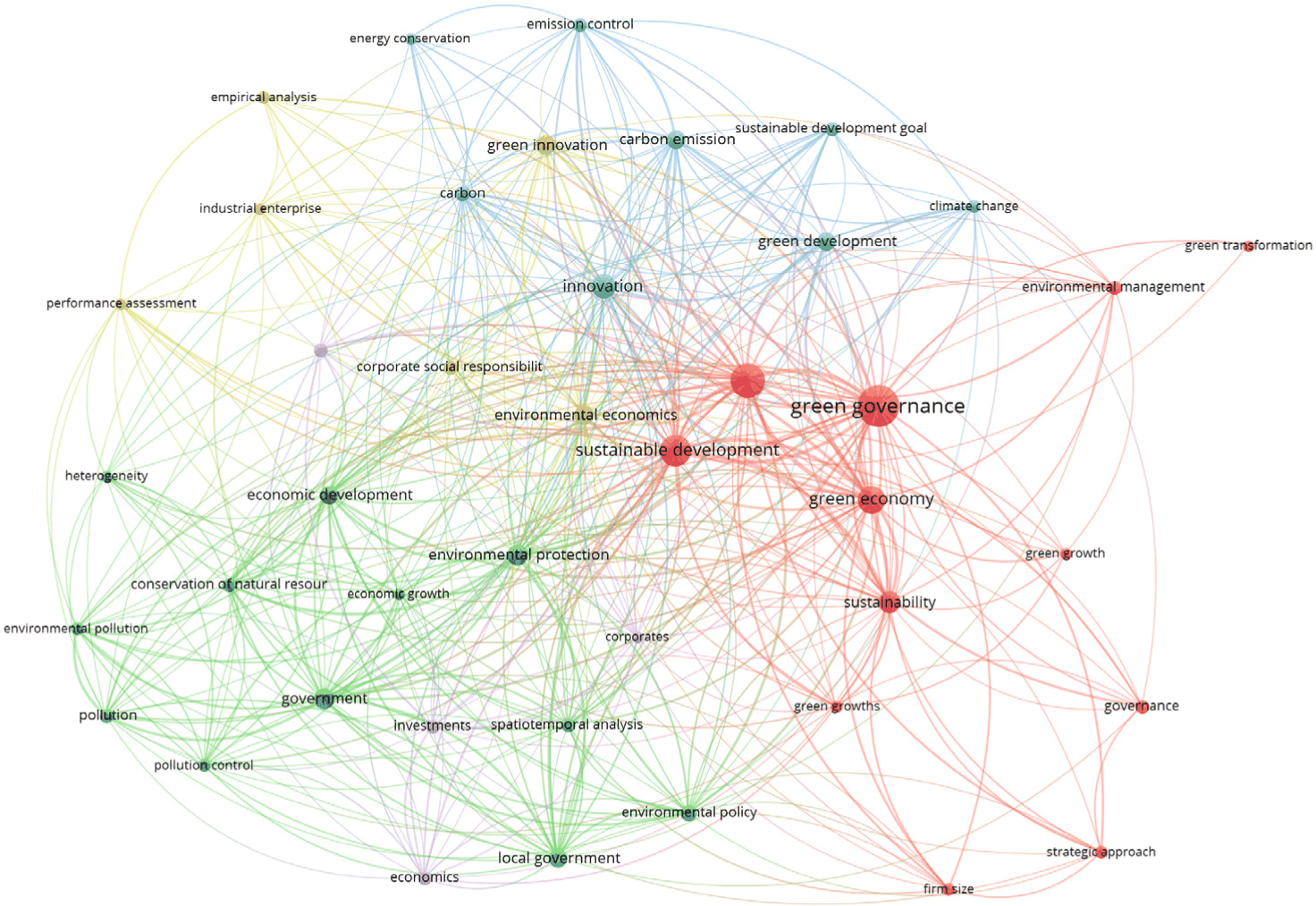
To perform a co-occurrence analysis on the Thematic Evolution and Future Directions in Green Governance Research, VOSviewer was used. This was the “full counting” method, and a unit of analysis as an “all keywords”. Firstly, the same keywords were analysed in VOSviewer with a minimum number of occurrences of five per keyword, resulting in 1,353 keywords identified, but only 49 reaching this threshold. Next, to ensure the relevance of every keyword, 4 obviously non-keywords from the list, such as geographical names (e.g., Guangdong, China and Shanghai), which are not concepts but thematic were removed after a manual review. Therefore, the list of keywords for a deeper co-occurrence analysis was finalized at 45.
Through a keyword analysis, the analysis identifies seven cross-cutting themes, where “governance” serves as central hub, expanding to other principles like accountability, transparency, or stakeholder engagement. A second theme is environmental governance, encompassing its regulatory frameworks, policies and institutional arrangements for controlling environmental degradation. The growing, if overused, phenomenon of sustainable development marks the transition from a single-issue approach to a more integrated approach combining environmental, social, and economic objectives. In connection, environmental regulations suggest the need to internalize sustainability in economic activities. One headline is climate change, which indicates a growing emphasis on mitigation and adaptation measures. The very appearance of “policy” confirms the governmental dimension of green governance, while that of “management” corresponds to the practical use of resources and measures aimed at waste or pollution reduction (Table 3).
The thematic analysis suggests that green governance research is an extremely interdisciplinary theme featuring associated factors across environmental science, political science, economics and sociology. Also, because innovative terms stood out, it suggests there is a growing trend in the technological solution of environmental issues. Overall, the keyword analysis that identifies the diversity of colonial themes and research trends in green governance over time suggests that green governance is multi-dimensional and representative of sustainable people-centered environmental issues.
The paper identifies incentives and opportunities for green as otherwise. But it is just as much about pernicious defects such as greenwashing, enforcement gaps and institutional barriers to rigorous assessment of that effectiveness. Instead of simply being descriptive, it shows how the regulatory intent does not always carry through to the ground because thin regulation fails. Bibliometric analysis results point to persistent implementation problems (emphasis on the Red Group “Environmental management” and “Governance Approach”, as well as Green transformation learning systemic failures). Results reveal that self-reported variables tend to predict better performance than independent observation indicating the pervasive nature of greenwashing or symbolic compliance. Although government “attention for environmental issue” can help lessen these behaviors, this is mainly dependent on stringent monitoring and also stakeholder engagement, as External stakeholders still depend on impression management while Internal stakeholders rely upon ready-made business models which remain ‘substantive’ in nature.
Weak enforcement is evident in the Green Cluster toper, Local Government, Economic Development, Pollution Control. Research indicates “selective implementation,” local officials pursuing economic growth adherence to national targets weaker in non-promotion tournament contexts, leads to moral hazard and dilution of central direction. Similarly, barriers against emission reduction attempts are analysed by the Blue Cluster (“Carbon Emission”, “Climate Change”, “Green Development”) which pays less attention to structural problems but stress short run ‘announcement effects’ in a context without efficient carbon pricing. Carbon taxes are propped up as a temporary placebo, yet real progress can only solidify with green investment and innovation; low-carbon city initiatives improve governance albeit inconsistently worldwide.
The Yellow Cluster is full of terms with high levels of symbolic compliance (e.g., “Green Innovation,” “Performance Assessment,” and “Customer Social Responsibility”) but low levels or even just a lack of impact and oversight in terms of how ESG disclosures correlate to actual environmental performance or outcomes at the firm level. And it reinforces the need for a unified supervisory effort to produce credible ESG disclosures. On the other hand, Purple Cluster (“Corporates”, “Economic”, “Investment”) draws attention to green finance challenge, which relies on reaching a threshold of an “institutional quality” in order to yield results. Research also shown that the relationship between EGS and productivity is U-shaped, with initial costs outweighing long-term benefits. In general, the literature highlights that strong institutions are a mechanism for aligning innovation, finance, and environmental performance.
Systemic failures of environmental governance hinder strategic green transformations. In highly concentrated sectors, companies have the incentive to prioritise immediate profit over long-term gains, giving rise to mere symbolic results as self-reported metrics which create space for greenwashing. Greenwashing is demonstrated by over-committing to move towards a more environmentally friendly approach without actually implementing meaningful change (Zhang et al., 2022a). Allowing firms to influence revealed signals and distort performance relative to true performance worsens this issue (Li et al., 2018; Zhang et al., 2022b). There are signs of governance failure, in public administration with minimal institutional capacity and enforcement. That translates into stricter verification of self-reported information, and more scrutiny to ensure environmental regulations are not just paper checks.
Not much tangible improvement occurs as high polluting enterprises are still on a good light, they use self-reported environmental indicators. Concisely, prior studies show that the most unsustainable firms are often manipulated via more serious greenwashing when subjected to regulation or media pressures (Zheng & Li, 2024). Thus exemplifying a long-standing institutional problem where programmes earn brownie points for written work as opposed to for the doing and thus veneer, over action. If regulation is lax, firms can exploit loopholes and keep polluting (Zhang & Wang, 2023). But self-reports can provide a false image of corporate behavior, which may come with an unwarranted enjoyment of trivial green activities whenever presented as serious business practices (Liu et al., 2022a).
Sectoral policies with a sector-specific approach are often prone to providing incentives for superficial compliance, as it is far cheaper to pay the penalty than to lose market share by losing its green shelter. According to the regulations of China, enterprises take the least action necessary and focus on public relations instead of real sustainability (Wang & Lv, 2025). This issue is particularly bad in areas like energy and heavy manufacturing since what policies are ultimately put into effect is dictated by corporate interests. Profits win every time over environmental goals, and alternative corporate studies (Wang & Xiao, 2025). Accordingly, carbon neutrality policies often fall short their objectives, as businesses comply with the bare minimum to avoid penalties while continuing to resist destroying change related to profitability (Hu et al., 2021).
The dissonance between the policy intent and how it gets implemented is particularly stark within the local space, where funding frequently collapses due to poor connections, enforcement mechanisms and accountability customs. Additionally, as indicated by studies already done national targets can lead to local government resource misallocation where it is most needed (Xu & Zhu, 2022). Sustainability goals are often restrained by economic imperatives in many industries, which exacerbates the green bottlenecks (Yao et al., 2023). Centralized systems, by their very design, set multiple parties in opposition to one another; this is particularly the case for industries reliant on polluting practices. Moreover, the governance architecture neither favors sustainability nor regards social and environmental voices highly (Fay et al., 2014).
Limited stakeholder participation leads to weak trust and management with an image problem, substantive commitment confused with symbolic compliance. By careful stakeholder engagement, green initiatives are not grounded only in a form of window dressing practices that would help improve corporate image (Cao et al., 2024). The monitoring, transparency and engagement of relevant stakeholders are needed to improve the accountability and make the implementation of environmental strategies real (Avlogiaris et al., 2023). If these mechanisms are strengthened, the risk of greenwashing will decrease and this will allow for real environmental transitions that lead to substantial change rather than just superficial efforts.
While trustworthy ESG frameworks remain essential for businesses to consider, some divergences in ratings exist due to the maturing of green governance acting as an emollient for organizations and financial institutions. Agencies use different approaches and varying levels of transparency, so there is no way to know what calculations are underlying. Inconsistencies of comparabilityorignate from the differing quality of disclosed information, which diminishes ESG metrics’ credibility. It follows that to solve, say, these problems, policymakers should encourage actions that help align disclosure systems and participate in strengthening the “quality, reliability and transparency” of ESG ratings. This will require strong administrative oversight to ensure transparency in ESG disclosures which are necessary for accountability to stakeholders, and not just symbolic works of reputation management (Shah et al., 2022).
In summary, systemic failures with regard to green transition continue to make for greenwashing and symbolic compliance especially in the profit driven sectors. Weak enforcement mechanisms and institutional constraints enable firms to exploit reporting pathways, and local authorities working under pressure to grow their economies often lead resource implementation to be both selective in practice and distorted. The challenges, coupled with continuing stakeholder tensions and bureaucratic inertia highlighted in this annual report, call for tighter scrutiny of environmental promises through transparent reporting and accountability, policy reforms that have an exclusive bias in favour of ecological stability.
Weak enforcement, inappropriately priced resources and policies that fail to develop appropriately often leaves environmental policies torn between economic development and protection. Regulatory effectiveness is hampered either by local capacity or an inadequate legal framework, leading to widespread non-compliance due to weak enforcement (Liu et al., 2022b). It is compounded by local governments giving primacy to economic growth, which gives firms a free pass from regulations (Kumar & Dwidvedi, 2023; Yao et al., 2023). Weak financial penalties and self-reporting foster greenwashing, firms behave responsibly on average without changing (Zhang et al., 2022b). This creates a disconnect and the consequence is symbolic compliance instead of real change (Hou et al., 2023). Strengthening administrative oversight is key to better enforcement and proper alignment of policy outcomes.
Fossil fuel subsidies, low pollution pricing and no broad-based carbon prices lead to under-pricing of environmental resources which is an important driver of unsustainable development (Du et al., 2023; Wei & Rafael, 2023). Such gaps create diverging economic incentives keeping environment destructive practices profitable over a period. A shortcoming of signalling is the weak accuracy of market prices that does not reflect the real pollution and depletion costs, which restricts green innovation (Peng et al., 2022). Thus, in the absence of internalised climate externalities, high-emission sectors continue to be favoured by the market (Cao et al., 2024; Omrow et al., 2024). This type of behaviour undermines environmental governance and the quality of policy. A proper pricing mechanism for the total price on the environment, which can help stimulate green investment, should be greatly provided by policymakers (Dressler et al., 2021; Yao et al., 2023).
A fortiori, the lack of contextualized policy transplantation undermines environmental governance due to its further transfer presence, without tailoring it to specific local contexts. In particular, it is concerning for developing nations that are based on adopting frameworks from advanced economies without taking account the economic, social and environmental conditions (Kumar & Dwidvedi, 2023; Liu et al., 2022a). The imposition of global South (GS) focused regimes of sustainability is predominantly blind-based or abstract, it disregards local industry’s comparative economic needs, conditions and capability for development. This ultimately leads to ineffective regulatory outcomes in terms of delivering genuine structural change (Liu & Xia, 2023). Because such regulations are not designed for specific localities, it lessens the credibility and acceptability of these mandates among the indigenous stakeholders contributing more towards an ineffective regime of governance (Kumar & Dwidvedi, 2023; Mohy-ud-Din et al., 2025).
While environmental governance is not without flaws, it does convey an understanding of the need for context-sensitive and participatory approaches. Studies show local knowledge is more effective with community-based models and participatory policy design (Cooper et al., 2020). Yet, lessons from different countries indicate that compliance and reduced pollution more often flow from the context-specific designs that smart regulations facilitate than from matching one-size-fits-all regulatory prescriptions (Hoang et al., 2024). This is also the reason why a model that works for one set of customers may not be applicable on others, making adaptable systems an imperative. Decentralized governance is therefore vital so that local level actors can formulate strategies agreeable to their environmental and socio-economic contexts along with the larger national goals (Wei & Rafael, 2023).
In summary, the failures of environmental policy stem from ineffective enforcement, poor pricing and misaligned policy transfer, which stifle between sustainability and economic growth. A lack of institutional capacity for enforcement leads to over-compliance and greenwashing, while a weak price signal does not incentivize environmental costs effectively enough nor foster green innovation. Additionally, local factors are not taken into consideration and context-blind policies suffer from adding powerlessness to their narrative. Community-based approaches show potential but delivering these challenges requires comprehensive solutions that reflect strong regulation along with appropriate pricing bundled with context-specific policies plus improved institutional capability, independence and accountability.
Green development strategies, catalyzed there by the charge of carbon reduction, identify persistent systemic failures, announcement effects, bad implementation, and weak carbon pricing. These declarations tend to be abandoned quickly with little or no change (Liu & Xia, 2023). But despite ambitious targets set by many countries in relation to green financing initiatives, actual quarterly implementation presents a much narrower scope (Yao et al., 2023). This rhetoric-reality gap, in which short-term reputational rewards trounce long-term environmental targets, is already visible with China (Hou et al., 2023). One clear difference is that in some places in China emission targets were not matched by equally sized emission reductions as local governments favour growth (Xu & Zhu, 2022; Zhang et al., 2022b). Institutional capacity and enforcement have failed to convert symbolic public commitments into tangible outcomes from a public administration viewpoint, which explains the feasibility failure.
Weak enforcement capacity, characterized by limited and discretionary compliance, compounds the failure of environmental governance is compounded because most agencies face no cost pressures or lack autonomy to ensure compliance. In some cases, such strict rules imply more oversight and regulation of select loopholes (Wang et al., 2024b). So few companies can actually carry out off-putting practices due to meager enforcement. The profit vis-à-visprotection ratio beats up faster globally on account of regulatory capture in developing economies. This invariably implied poor institutional capacity and political patronage frequently prevented law from being enforced, giving way to corporate impunity (Cooper et al., 2020; Fay et al., 2014). For economic benefits, local governments may neglect violations and maintain the status quo of environmental pollution (Li et al., 2025; Tang & Du, 2024). In effect, lax compliance discourages transformation and implementation of cleaner technologies hindering emissions reductions whilst perpetuating unsustainable behaviours (Dressler et al., 2021; Peng et al., 2022).
Policy effects are further hindered by low enforcement capacity, where a small amount of resources or political will can significantly reduce any effective oversight. Together with the typical desire for growth, overlapping regulatory power to exact carbon regulation in China renders this elusive (Wei & Rafael, 2023). Carbon pricing is not enough to internalize emissions externalities thus continue favoring environmentally unfriendly behavior (Mohy-ud-Din et al., 2025; Tang & Du, 2024). No one is more responsible than they are with the only weak feature being voluntary markets or inferior pricing schemes, all of which reduce accountability. As a result, companies are under limited pressure to lower emissions and this cycle of environmental destruction continues (Hou et al., 2023; Li, 2023).
Research has revealed that market-based mechanisms are often insufficient for driving low-carbon investment, as the costs imposed on firms are deemed negligible relative to their overall profits, and many immediate priorities run contrary to current emissions targets. (Mortensen et al., 2024). This characteristic of weak pricing structure restrains transitions to low-carbon economy, and continues environmental externalities (Deng et al., 2024; Drożdż et al., 2021). This is with strong fiscal and carbon pricing policies as recommended by scholars to reflect prices correctly to induce green innovation (Cooper et al., 2020; Yao et al., 2023). On top of that, it is said that poorly contextualized policy transfer reinforces these problems including framework misalignment and ignores local realities or situations consequently paying less attention or wasting resources (Tao & Zhou, 2022).
In summary, addressing these pitfalls will require far more than simply revising regulations, as gaps and silos multiply organising opportune enforcement entailed changes to carbon pricing and context-sensitive policies. These problems epitomize the larger governance failures in which constrained institutional capabilities coupled with the prevailing “green governance context” limit oversight. Improvements in enforcement include the public investment required to give agencies that monitor compliance the means to impose penalties. Ensure a broad carbon pricing mechanism to internalise environmental costs and incentivise cleaner technologies. Policy responses can be context-specific, reducing the transferability of ill-suited policy solutions and increasing local relevance. Policymakers would also benefit from more effective verification of self-reported data and strict enforcement to reduce symbolic compliance. This means plugging implementation gaps strengthens institutions because action creates better environmental performance, not the other way round.
Customer-driven green innovation failures accentuate how self-reported indicators and the gap between ESG disclosures and actual performance provide fertile ground for greenwashing. The problem is, that firms can use flexible data to overstress sustainability claims, distract attention from the core innovation and loss citizen trust (Zhang et al., 2022b; Zheng & Li, 2024). Because the incentives for substantial emission reductions are diminished when these approaches have a limited influence (Zhang et al., 2022b). This reinforces the behavior found in all kinds of pollution-driven industries. This reinforces the reporting-claim gap while reflecting governance failure, as a result of low institutional readiness and weak enforcement (Yang et al., 2023).
Independent monitoring and enforcement mechanisms are integral to credible ESG reporting because these conditions require strong governance. Absent these, self-reported metrics work more like public relations tools than environmental proxies (Deng et al., 2024; Moussa et al., 2024). This leads to deceptive perceptions by consumers and investors, eroding the accountability (Jones & Wong, 2016). Without adequate enforcement, disclosure requirements are mostly mere symbolic compliance, rather than effective change (Hu et al., 2023). As a result, stakeholders might treat the scale of disclosure as an indication of true performance, ignoring symbolic aspects of reporting (Zheng & Li, 2024), and allowing firms to continue their underperformance despite likely detrimental effects on wider sustainability goals (Wang et al., 2024a).
The gap between ESG disclosure and actual environmental performance remains large chiefly due to weak enforcement and regulatory arbitrage. In many cases, however, firms are able to build sustainability stories based on little or no empirical footprints; for that reason, they have low material costs, which in turn means lower incentives to achieve real novelty and also appropriately use water control (Wei & Rafael, 2023) Rather than performance, a few companies focus upon reporting (Liu & Xia, 2023; Wang et al., 2024a), and even supply these fictions as evidence of progress that undermine the trust of stakeholders (Sun & Liu, 2022). The lax regulatory oversight of disclosure habits breeds data distortion (Zheng & Li, 2024), and contradictory enforcement exacerbates the divide between rhetoric and reality (Cao et al., 2024).
Transparency in effective governance can help to reduce greenwashing; specifically, the involvement of firms’ and industry’s external stakeholders in ESG monitoring leads to sustainability these days (Xu & Qin, 2024). However, if firms are from oversight through non-specific reporting standards or inadequate regulations underlie such pressures, those agencies tend to be extremely minimal (Omrow et al., 2024; Thomas & Suresh, 2024). The unquestioning acceptance of self-assessed ESG metrics with little to no scrutiny further exacerbates greenwashing and thwarts green innovation. Although empirical research suggests that ESG policies may reflect a commitment to regulated behavior, much compliance with environmental regulations will be ignored as enforcement remains weak (Hrckova, 2023). Xu and Zhu further argued that a lack of regulation diminishes the incentive for authentic green innovation, which perpetuates pseudo-green behaviour (Xu & Zhu, 2022).
Strong enforcement of government environmental policies, such as environmental protection tax policy, may support green innovation (Cao et al., 2024). Cao et al. provide support and mediation for green innovation, but only when the implementation capacities are robust enough (Cao et al., 2024). However, greenwashing can develop when weak accountability of the government leads to compliance without actual operational shift from companies (Deng et al., 2024; Zheng & Li, 2024). This spreadsheet lists the publication outcomes in strong enforcement mechanisms, an increase in third-party evaluations improves ESG accountability, and marketing levers to commercialize green innovations (Ning et al., 2023). The intractability of these problems exposes the gravitational pull of the deep structural flaws inherent to all systems of green governance in practice today. Dealt with by much more enforcement nudging, finer touchables on this front, and vigorous ESG disclosures accompanied by independent oversight to take robust rebuttal and stave off greenwashing.
In summary, self-report infrastructure that enables greenwashing and fragile ESG disclosure frameworks results in the failure of customer-led green innovation and performance scoring. But all of these challenges expose governance failures, the weak capacity of institutions straining public organisations’ ability to challenge corporate claims. A focus on the froth of firm-level symbolic compliance, and weak enforcement coupled with a lack of independent monitoring widens the chasm between rhetoric and reality, as high-pollution firms seek to save money by engaging in little if any real ecological transformation. With legal liability at its weakest, this in turn emboldens firms to escape accountability, which is guaranteed by the state. Overcoming these hurdles will entail stricter regulations, independent verification, and the right incentive structures together with mandatory verified reporting and an enhanced regulatory capability to make green governance a catalyst for real innovation rather than reputation washing.
Green governance remains troublesome to connect corporate strategy and the effectiveness of green finance, especially in poor institutional quality and a regulatory framework. A little transparency and accountability may lower the motivations for green financial instruments like loans, bonds, and investment vehicles (Liu & Xia, 2023), while it is believed that sound green governance must work on a robust institutional context to guarantee real sustainability (Wang et al., 2024a). The existing accountability systems are expected to prevent green finance from being diverted away so that it can be ultimately used to support non-sustainable projects in weak governance settings (Tang & Du, 2024). Thus, institutional quality as well as regulatory paternalism will need strengthening in order to hold public and private actors accountable for their actions and enhance real ecological change (Qi et al., 2020).
Green finance is tightly linked with institutional capacity to be effective. In the same context, weak institutions will represent cumbersome outcomes of governance and exert marginal environmental impact whereas strong institutional frameworks persuade sustainable investment (Liu & Xia, 2023). In this regard, since green financial products in some instances do not deliver genuine benefits and instead facilitate green washing (Mohy-ud-Din et al., 2025; Zhang et al., 2022b). In addition, poor institutional supervision provides a chance for firms to take advantage of loopholes in the regulations (Liu & Xia, 2023), which may continue reducing environmental standards and trust in green finance systems (Tang & Du, 2024).
Moreover, improper pricing of environmental externalities, carbon, and biodiversity loss dilutes the incentive to sustainable practices. In the absence of full internalization of these costs, firms are able to transfer environmental burden on society and keep optimizing short-term profits (Deng et al., 2024; Loia et al., 2022). Sustainable business models are reserved for a few privileged sectors and market systems, which disregard externalities (Mohy-ud-Din et al., 2025). Absent good pricing, incentives the world will have on its economic parameters remain misaligned with ecological objectives low-carbon transitions weaken as do accountability (Shah et al., 2022). If there is weak pricing of externalities, firms are likely to reinforce the status quo rather than spur green innovation.
In addition, the absence of externality pricing reflects in decision-making, allowing firms to pursue ostensible sustainability while executing damaging operations, causing greenwashing and preventing effective innovation based on reasonable environmental accounting (Moussa et al., 2024). It is therefore important to deal with the weaknesses in green finance governance. The quality of institutional improvement can regulate and enforce environmental standards, thus promoting the development of green finance tools (Mao et al., 2024). The impact of serious externality pricing mechanisms implemented in financial systems can also affect how corporations form strategies around sustainability. These developments require a shift away from compliance towards real corporate environmental accountability (Wang & Xiao, 2025). Yet, continuing institutional and price gaps are blocking effectiveness requiring systemic reforms to bolster accountability and internalise real environmental costs.
In summary, the ability of corporate strategies to promote economic resilience and sustainable investment in green governance is limited to weak institutional quality and a lack of focus on pricing environmental externality. These challenges epitomise the “governance failure” through which public administration does not have the capacity to monitor and enforce green financial instruments, creating a disjunction between policy intention and practice. More importantly, it requires more robust institutional frameworks and significantly more effective pricing mechanisms for externalities that can internalize these social costs in order to facilitate real sustainability. Policymakers need to tighten up due diligence legislation and other legal mechanisms so as to ensure that green investments are not surface level, while public administration needs to get serious about supervision, making sure sustainable finance is effectively embedded in corporate governance.
Public administration has a central role in green governance for either supporting transformation through effective policies and cooperation or obstructing it via weak governance, bureaucracy and misallocation of resources. Iterative processes across scales stimulate environmental performance, from pollution abatement in cases of local-global alignments (Lin et al., 2023). Embedding party organizations into corporate governance also fosters sustainability through institutional mechanisms (Zheng & Li, 2024). In addition, the insufficiency of supervision and vagueness in laws can lead to greenwashing behavior and restrain green innovation (Feng et al., 2024).
Public policy and corporate behavior rarely combine positively. For example, environmentally connected taxes can promote incremental innovations of proactive firms and inhibit process-oriented innovation (Xu & Qin, 2024). Such variation illustrates how public administration can, at its worst, become a drag on sustainability transitions. Thus, as public administration can facilitate green innovation due to greening finance and governance support measures (Xu & Zhu, 2022), in turn strong institutional frameworks are vital (Li et al., 2023). National and global initiatives should also be aligned to make long-lasting environmental goals (Chen & Xu, 2025).
To respond to this dual role, there is a need for enhancing administrative capacity especially at the local level given that limited resources underpin green initiatives. The State should move from shallow adherence to remoulding the institutional quality by integrating ecological principles in formal regulations. Such as creating frameworks to measure social and environmental value, and making sure that policies are based on long-term sustainability rather than short-lived economic opportunity. It also makes strong enforcement particularly in the biggest-polluting sectors critical to cut greenwashing and improve accountability.
This can be improved further by raising public awareness and participation, adding an additional level of scrutiny to corporate practices that help promote governance. Continual monitoring, openness to communicate, and effective cooperation among institutions and society will be key for environmental policies translating into meaningful results. Future research should identify how public administration can act as motor for sustainable transformation, paying attention to the roles of differences in enforcement capacities, coalitions across public and private actors and institutional coordination in multi-level governance systems.
Limitations
Even with its rigorous methodology, this study has a number of limitations. Using the Scopus database makes grey literature and non-index journals of regional relevance unobserved, while further limiting scope, a simple keyword search on “green governance” could lead to missing studies with synonyms of that concept. The limited language coverage further produces at least a form of language bias, presumably leading to under-representation of contributions from non-English-speaking areas. Furthermore, while using Systematic Literature Review and bibliometric analysis approaches covers comprehensively mapping literature is retrospective in nature and may not precisely reflect qualitative depth or complex dynamics of policies as they are implemented in real-time in primary research.
Conclusion
In conclusion, this systematic review and bibliometric analysis demonstrate that green governance represents an emerging interdisciplinary field integrating economic development and environmental protection. China remains at the forefront, yet significant disparities persist between developed and developing countries. While policy attention is growing, systemic challenges include greenwashing through self-reporting of indicators, insufficient regulatory enforcement, and inadequate green finance mechanisms, failing to deliver substantive change and resulting in primarily symbolic outcomes. Public administration is expected to advance the implementation of policies backed by strong policy intentions, but progress is undermined by the bureaucratic inertia, competing priorities, and weak oversight. Accordingly, future research should prioritise data independent verification and effective enforcement procedures to better connect environmental results with institutional quality.


